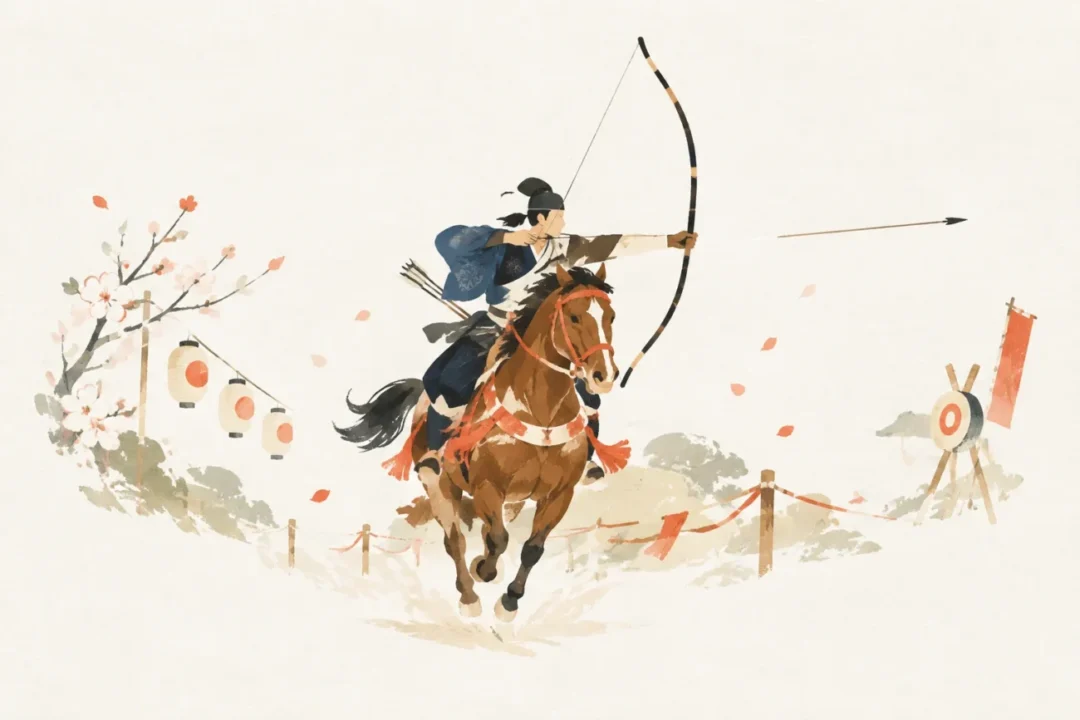
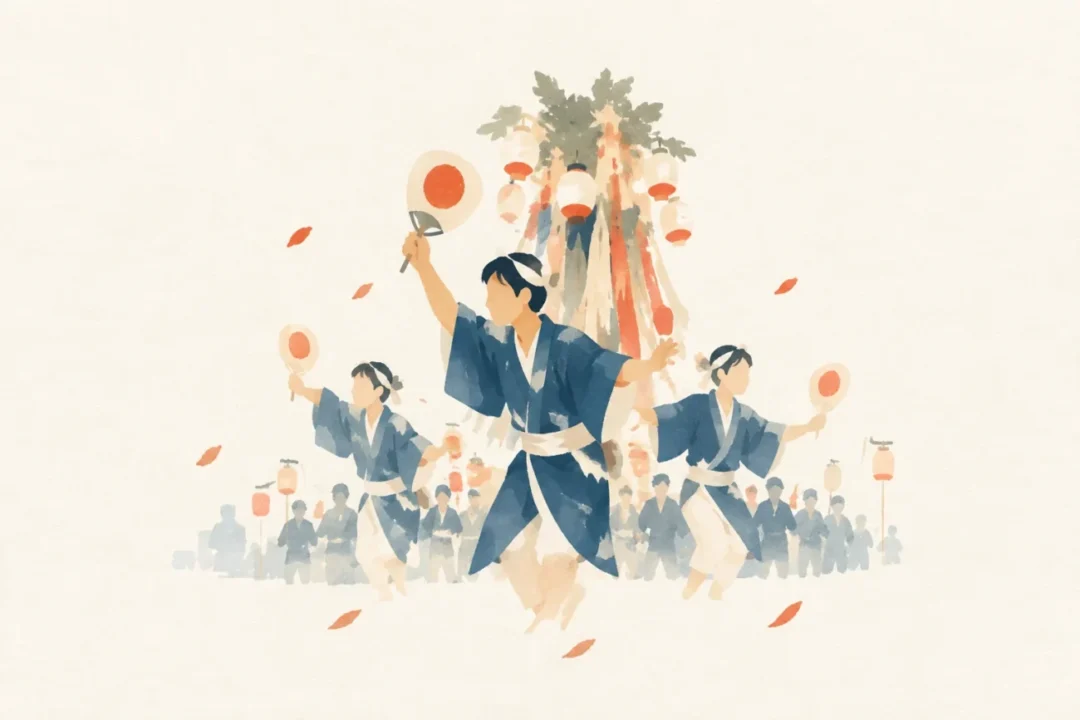
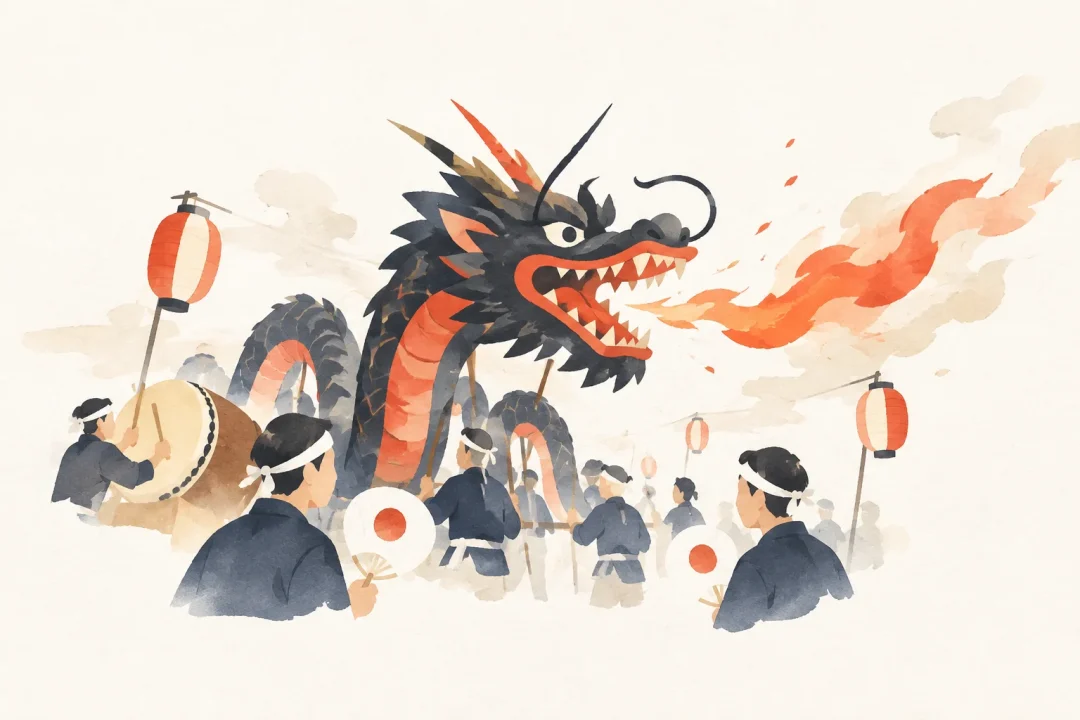
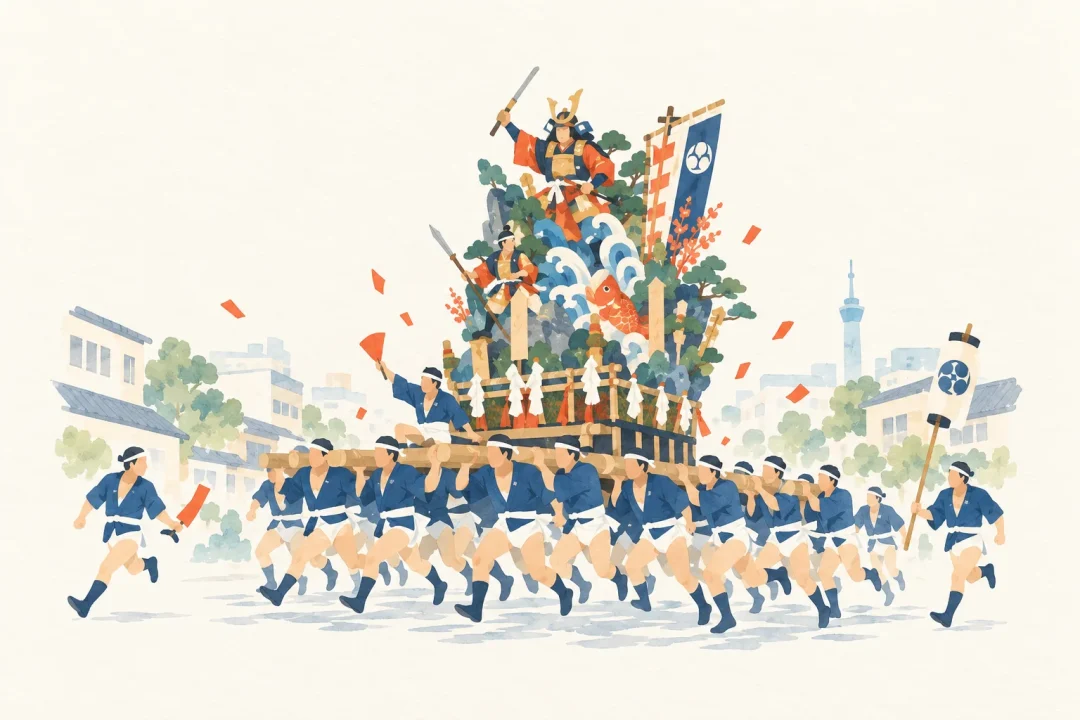
A traditional event featuring dance-like taiko performances, with a furyu procession modeled on a daimyo procession winding through the village
Shimokogawa Furyu
Festival information
EVENT INFORMATION- Season / frequency
- 2nd Sunday of November each year / Every year
- Location
- Hachiman Shrine
- Area
- Fukuoka Prefecture・Miyama City(From Tokyo: approx. 1 h 50 min–2 h 10 min · flight time only)Prefecture-level estimate to a main station or airport, not the venue. Airport access, check-in and onward travel are extra; remote areas and islands can take much longer.
- Highlights and activities
- Wishes behind the festival
- Last updated
- 2026/11/11
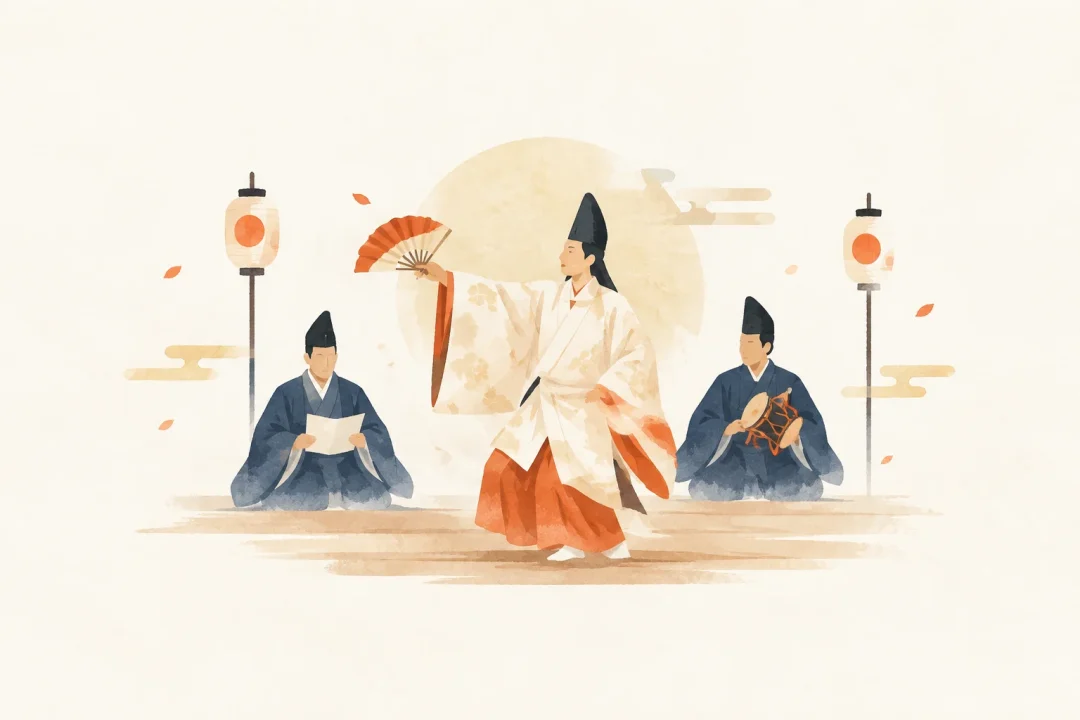
Shimokogawa Furyu is a held at Hachiman Shrine in Omi, Setaka-cho, Miyama City. A furyu procession modeled on a daimyo procession moves through the village, with a dance-like performance held in front of the shrine.
About Shimokogawa Furyu
Shimokogawa Furyu is a traditional event held as a shinji at Hachiman Shrine in Shimokogawa.
It is believed that the furyu, modeled on a daimyo procession, began during the Edo period as a prayer for abundant harvests and safety in the village.
The event consists of a furyu procession and shrine rites, and is designated a municipal intangible folk cultural property.
Festival highlights
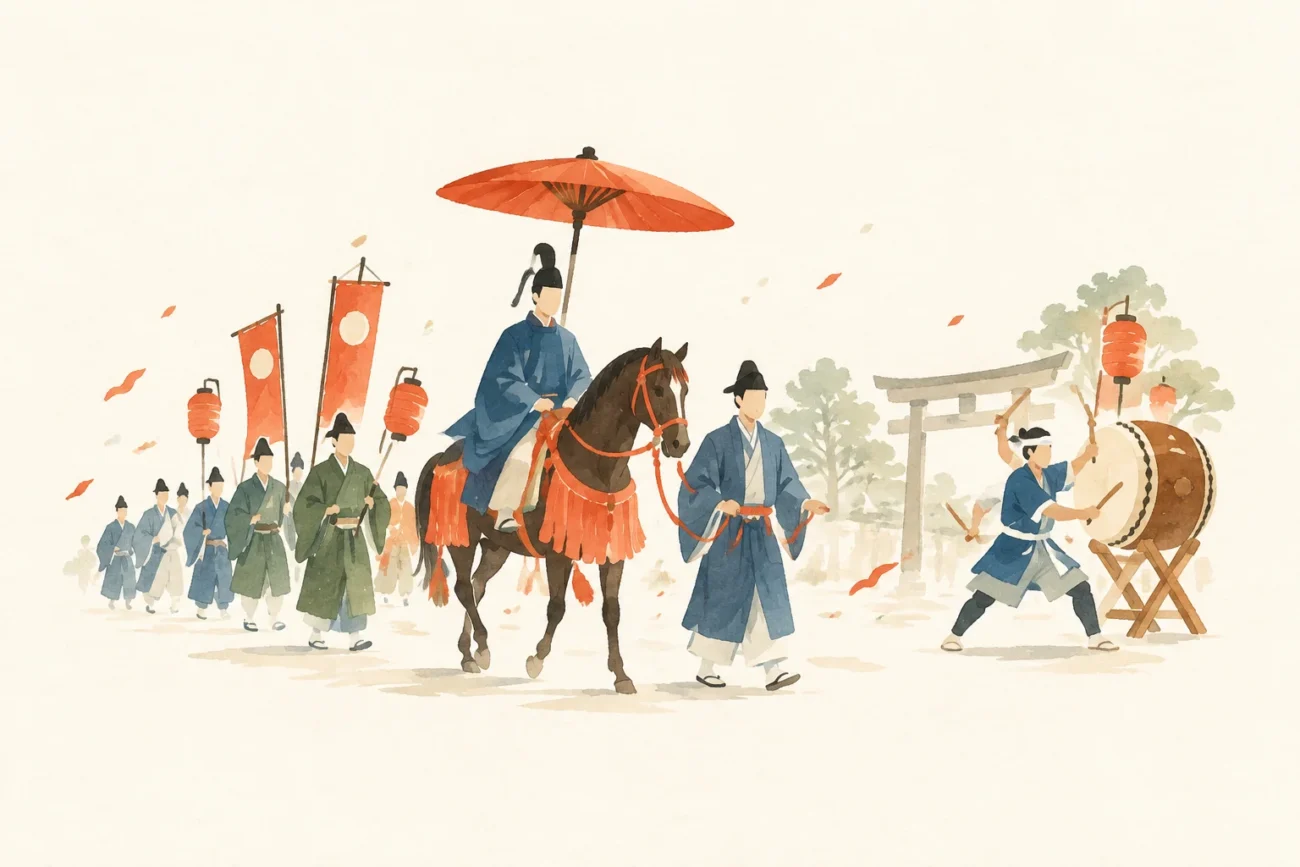
The highlight is a furyu procession featuring roles such as taiko drummers, bell players, suppo, large umbrellas, bangara, scissor boxes, flowers, flute players, taiko bearers, and bell bearers.
The procession moves through the village in a form modeled on a daimyo procession, with a dance-like taiko performance in front of the shrine.
It preserves a distinctive local procession culture that brings together a variety of roles and implements.
A traditional event featuring dance-like taiko performances, with a furyu procession modeled on a daimyo procession winding through the village
What to expect
The event features a furyu procession and shrine rites.
It departs at 1 p.m. and proceeds through the village from the za-gumi to the shrine over approximately 4 hours.
A dance-like taiko performance is held in front of the shrine building, followed by further procession through the village, according to current information.
Location and access
- Venue and address
Hachiman Shrine / Ogawa, Omi, Setaka-cho, Miyama City
Address Ogawa, Omi, Setaka-cho, Miyama City
Dates and season
- Season
2nd Sunday of November each year
- Frequency
Every year
Accommodation and hotels PR
Showing nearby accommodation.
Prices and availability are current at the time of retrieval. For multi-night stays, only the first night’s price is shown. Confirm the final price and directions to the venue with the booking provider. Select your dates again when using the area search link. Search area: within 3 km of Central Fukuoka Prefecture / Miyama City (the search is not centered on the festival venue)
Origins and History of Shimokogawa Furyu
The origins of Shimokogawa Furyu are unclear, but it is believed that the furyu, modeled on a daimyo procession, began during the Edo period as a prayer for abundant harvests and safety in the village.
It was once held on day 19 of lunar month 11, and current information lists it as taking place on the 2nd Sunday of November each year.
Passed down as a shinji at Hachiman Shrine, it is designated a municipal intangible folk cultural property.
Shimokogawa Furyu at a Glance
Shimokogawa Furyu is a municipal-designated intangible folk cultural property passed down as a shinji at Hachiman Shrine.
A furyu procession modeled on a daimyo procession departs at 1 p.m. and proceeds through the village over approximately 4 hours.
The event is characterized by the dance-like taiko performance held in front of the shrine and a procession made up of varied roles, including taiko drummers and bell players.
Sources and references
Japanese Festivals.jp Editorial Team
Celebrating local culture and helping you discover a side of Japan you never knew.
Article updated: 2026/11/11