A festival celebrating Shibukawa’s “navel” through pictures painted on the stomach and dance
Japan’s Center Shibukawa Heso Festival
Festival information
EVENT INFORMATION- Season / frequency
- From summer to early autumn / Every year
- Area
- Gunma Prefecture・Shibukawa City(From Tokyo: approx. 50 min–1 h · bullet train)Prefecture-level estimate to a main station or airport, not the venue. Airport access, check-in and onward travel are extra; remote areas and islands can take much longer.
- Wishes behind the festival
- Official website / social media
- Official website
- Last updated
- 2026/10/19
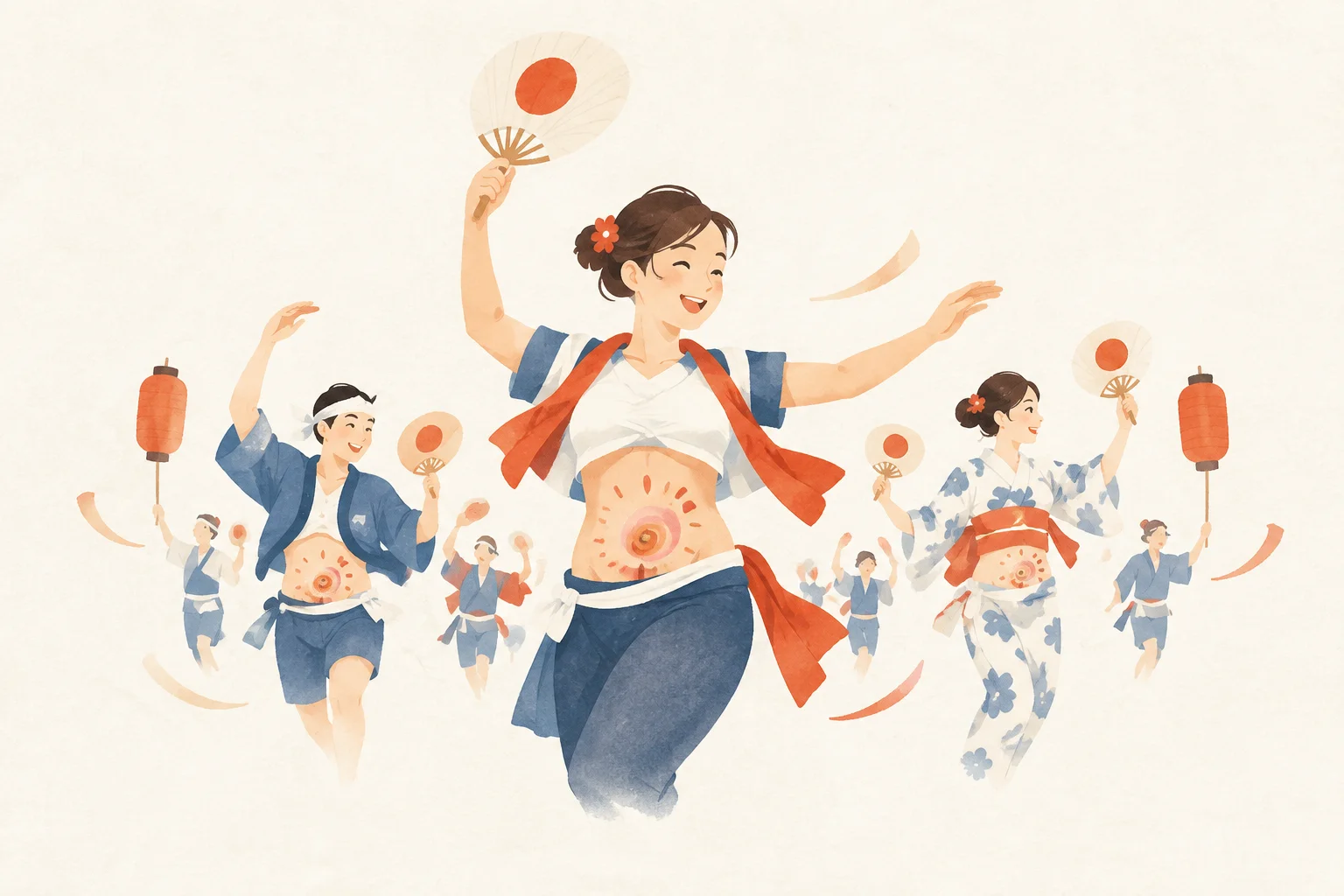
This colorful local festival is themed around Shibukawa City as the “navel of Japan,” with people dancing through the city streets with pictures painted on their stomachs.
About Japan’s Center Shibukawa Heso Festival
The Japan’s Center Shibukawa Heso Festival draws on Shibukawa City’s distinctive location at the center of the Japanese archipelago, known as the “navel of Japan.”
A major feature is Heso Odori, in which dancers paint pictures on their stomachs and dance. The festival is beloved as a signature event of Shibukawa City.
It continues as an event held in the city center to revitalize the community and foster affection for one’s hometown.
Festival highlights
The main highlight is the Heso Odori Parade, where dancers paint large pictures on their stomachs and proceed to the chant “Heso dase yoiyo!” (“Show your navel, yoiyo!”).
In Hara Odori, dancers combine pictures painted on their stomachs with props such as hats and hand-shaped signs, then parade while dancing.
There are also Odori and free-style dances, offering a chance to enjoy the differences in costumes and choreography.
Source: 渋川へそ祭り - 渋川商工会議所
A festival celebrating Shibukawa’s “navel” through pictures painted on the stomach and dance
What to expect
The festival program is described as featuring street performances in the afternoon, followed by the Heso Odori Parade from the evening.
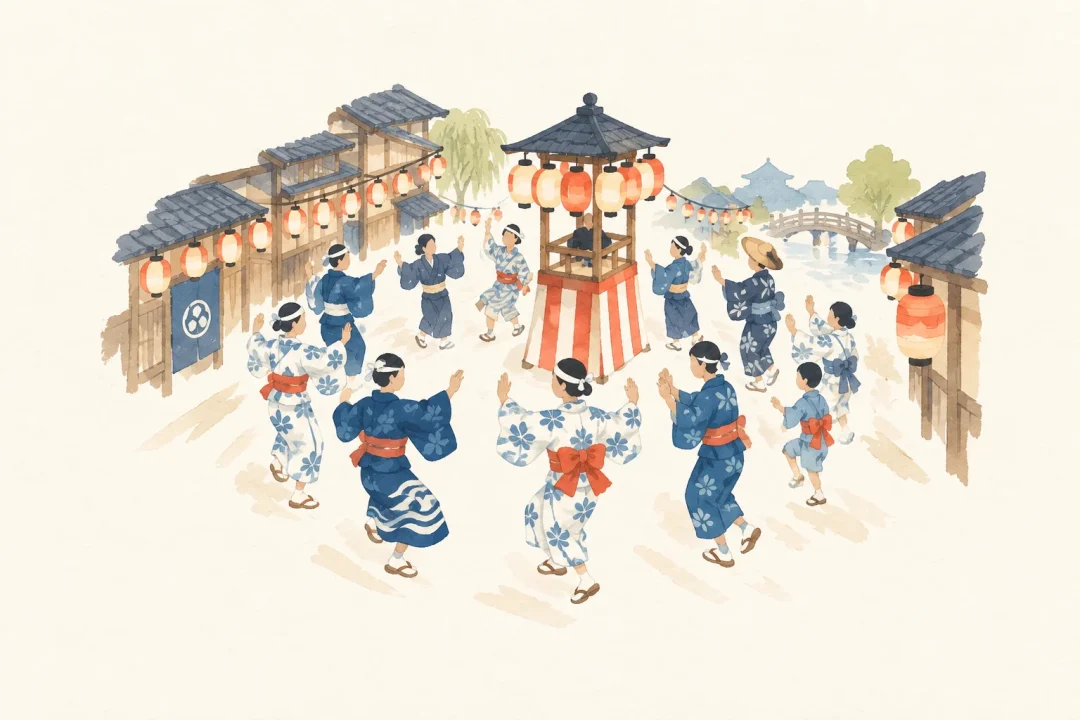
The parade includes Hara Odori, with pictures painted on the stomach; Yukata Odori, performed together in yukata; and free-style dances, where participants choose their own costumes and choreography.
A tourism and local products fair featuring specialties from “navel towns” across Japan is also held at the venue.
How to take part
Anyone can join the main event, the Heso Odori Parade, without signing up in advance.
There are 3 styles of dance: Hara Odori, performed while walking with a picture drawn on the abdomen; yukata dancing; and free-style dancing, where you can choose your own costume and choreography.
If you wish to perform or participate as a group, instructions are provided separately on how to apply.
Location and access
- Venue and address
Within Shibukawa City
Host municipality 群馬県渋川市
This map shows the surrounding area, not the exact venue location.
Dates and season
- Season
From summer to early autumn
- Frequency
Every year
Accommodation and hotels PR
Showing nearby accommodation.
Prices and availability are current at the time of retrieval. For multi-night stays, only the first night’s price is shown. Confirm the final price and directions to the venue with the booking provider. Select your dates again when using the area search link. Search area: within 3 km of Central Gunma Prefecture / Shibukawa City (the search is not centered on the festival venue)
Tips for your visit
Traffic restrictions are in place at the venue, so if you come by car, take care when driving on nearby roads.
When the festival is held during hot weather, people are urged to take measures against heatstroke, and in some years, cool-share spots have been set up near the venue.
The parade and street events may be canceled in severe weather.
Nearby attractions
Near the festival venue are Heso Jizo and Heso Stone, associated with Shibukawa City’s claim to be the “navel of Japan.”
Heso Stone is said to have been designated by Sakanoue no Tamuramaro as a stone marking the center of Japan. Heso Jizo is introduced as an object of prayer, with visitors rubbing its navel as they make their wishes.
These are sights where visitors can experience the same “navel”-related local culture as the festival.
Source: 「へそのまち」日本のまんなか渋川市 | 渋川市公式ホームページ

渋川八幡宮
群馬県渋川市にある神社

群馬ガラス工芸美術館
群馬県渋川市にある美術館
写真:photo: Qurren ( talk ) Taken with Canon IXY 430F (Digital IXUS 245 HS) / CC BY-SA 3.0
Photo source ·
Origins and History of Japan’s Center Shibukawa Heso Festival
Against the backdrop of Shibukawa City coming to be recognized as the center of Japan, the Heso Festival Executive Committee was formed in Showa 59, led by the Shibukawa Chamber of Commerce and Industry.
The first festival was held that same year, with aims including developing industry, revitalizing the town, encouraging residents to participate freely, promoting children’s healthy development, and fostering lasting love for their hometown.
It has been held every year since then and has become established as a summer festival in Shibukawa.
Official information
Information about the event, traffic restrictions, and participation applications is available from Shibukawa City’s official tourism information.
The listed contacts are the Shibukawa Heso Festival Executive Committee Secretariat and the Tourism Division of the Shibukawa City Commerce and Tourism Department.
Japan’s Center Shibukawa Heso Festival at a Glance
The Japan’s Center Shibukawa Heso Festival expresses the local character of Shibukawa City as the “navel of Japan” through a distinctive parade in which people dance with pictures painted on their stomachs.
Hara Odori, Yukata Odori, and free-style dances take place, and visitors can join the parade without prior arrangement.
It began with the hope of revitalizing the city center and nurturing affection for one’s hometown, and continues today as a signature summer festival in Shibukawa.
Japanese Festivals.jp Editorial Team
Celebrating local culture and helping you discover a side of Japan you never knew.
Article updated: 2026/10/19
Submit information or a correction Submit photos of this festival