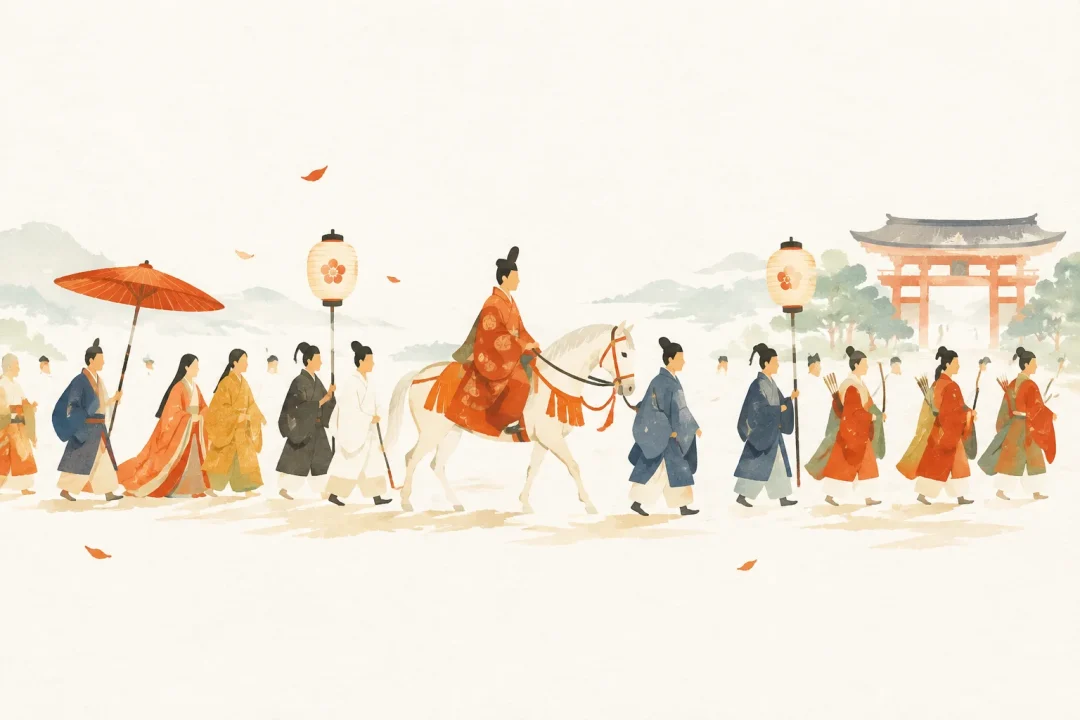
A festival procession linking eras through costumes showcasing Kyoto's dyeing and weaving techniques
Senshoku Festival

Festival information
EVENT INFORMATION- Season / frequency
- April (from 1931 to 1951) / Annually (from 1931 to 1951)
- Area
- Kyoto Prefecture・Kyoto City(From Tokyo: approx. 2 h 10 min–2 h 40 min · bullet train)Prefecture-level estimate to a main station or airport, not the venue. Airport access, check-in and onward travel are extra; remote areas and islands can take much longer.
- Highlights and activities
- Last updated
- 2026/10/19
The Senshoku Festival was a festival of religious rites and a historical costume procession, born out of Kyoto's dyeing and weaving industry. Women wearing clothing recreating styles from the Kofun period through the late Edo period walked through the streets of Kyoto, displaying dyeing and weaving techniques through historical attire. The festival came to an end after 1951.
About Senshoku Festival
The Senshoku Festival was a Kyoto festival comprising religious rites honoring 9 deities who presided over dyeing and weaving, and a procession dressed in historical costumes.
It was held in April in Kyoto City, Kyoto Prefecture, from 1931 to 1951.
Planned as an effort to promote Kyoto's core dyeing and weaving industry, it served to broadly showcase dyeing and weaving techniques and historical clothing culture.
Source: 染織祭 - Wikipedia
Festival highlights
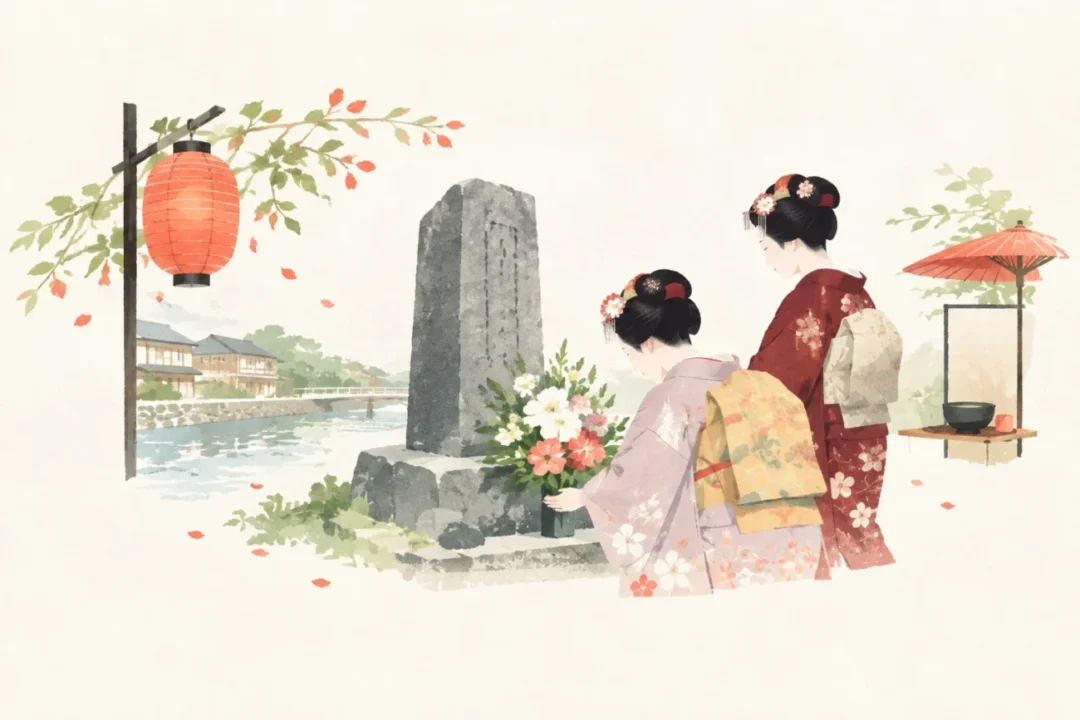
The main highlight was a procession recreating women's costumes from 8 periods, from the Kofun period through the late Edo period.
The costumes were made to order down to the undergarments, obi, and accessories, drawing on picture scrolls, portraits, and inherited kosode garments from each period.
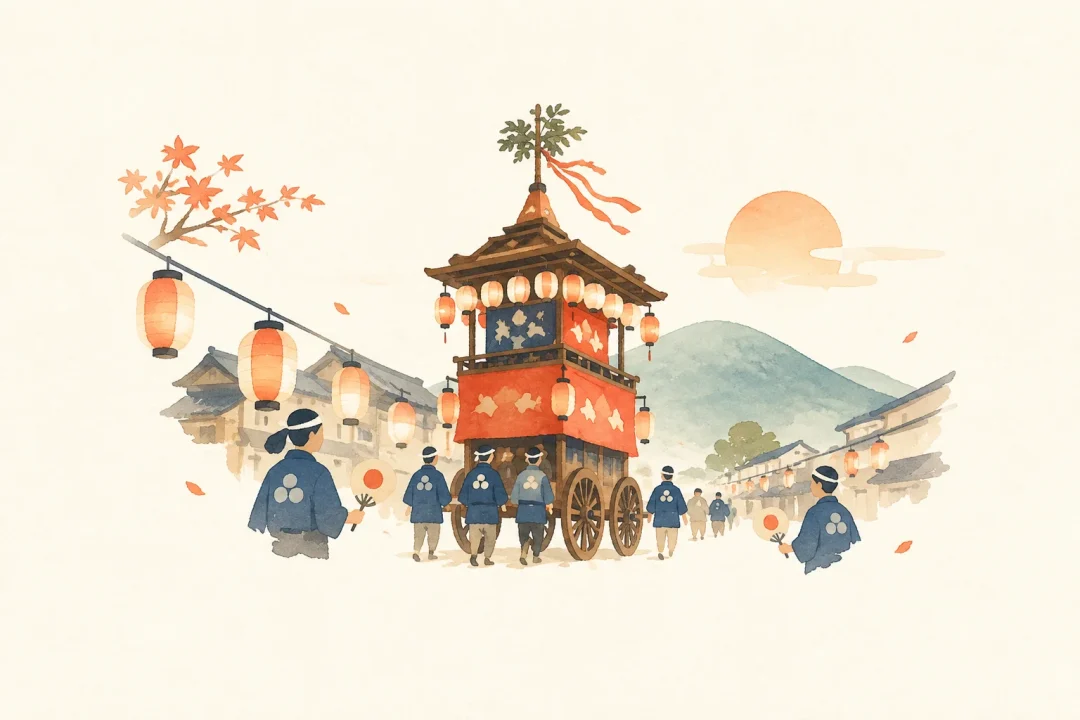
People from the dyeing and weaving industry and elaborately decorated carts also joined, making it a large-scale parade through the streets of Kyoto.
A festival procession linking eras through costumes showcasing Kyoto's dyeing and weaving techniques
What to expect
The festival consisted of rites performed at an altar and a parade of worshippers celebrating their conclusion.
The rites included purification, inviting the deity, offerings of sacred food, prayers, and the offering of tamagushi, and were held over the first and following days.
The parade set off from the Kyoto Prefectural Government Office and proceeded along Marutamachi Street, Karasuma Street, Shijo Street, past the Gion stone steps, and onward to the Okazaki Ground festival site.
Location and access
- Address
Kyoto City
Host municipality 京都府京都市
This map shows the surrounding area, not the exact venue location.
Dates and season
The Someori Festival was held every year in April from 1931 to 1951.
The festival continued to include a procession of women in historical costumes until 1937; from 1938 onward, it consisted only of rituals.
The festival itself was discontinued after 1951 and has not been revived since.
Accommodation and hotels PR
Showing nearby accommodation.
Prices and availability are current at the time of retrieval. For multi-night stays, only the first night’s price is shown. Confirm the final price and directions to the venue with the booking provider. Select your dates again when using the area search link. Search area: within 3 km of Central Kyoto Prefecture / Kyoto City (the search is not centered on the festival venue)
Nearby attractions

京都タワー
京都府京都市下京区にある塔

京都国立博物館
京都市にある国立博物館

京都国立近代美術館
京都市左京区岡崎にある美術館

京都国際マンガミュージアム
日本の京都府京都市中京区にある日本最大の漫画博物館

京都市美術館
京都市左京区岡崎にある美術館

京都府立植物園
京都市左京区にある植物園

京都鉄道博物館
京都府京都市下京区にある鉄道博物館

Fushimi Inari Taisha
京都市伏見区にある神社

元離宮二条城
京都市にある城郭及び元皇室関連施設

Yasaka Shrine
京都市東山区にある神社

円山公園
京都市にある公園

Kitano Tenmangu Shrine
京都市上京区にある神社
Origins and History of Senshoku Festival
The Senshoku Festival was planned amid the economic downturn from the end of the Taisho era to the early Showa era, to promote the dyeing and weaving industry, then a key industry in Kyoto.
The plan was proposed in the autumn of 1930, the Senshoku Kosha was established on February 16, 1931, and the 1st festival was held in April of that year.
The costume procession was suspended in 1938 due to the war, and the rites also came to an end after 1951, but the idea behind the procession was reflected in the postwar Jidai Festival.
Senshoku Festival at a Glance
The Senshoku Festival began against the backdrop of efforts to promote Kyoto's dyeing and weaving industry, and showcased dyeing and weaving techniques and clothing culture through religious rites and a historical costume procession.
The procession recreating women's costumes from the Kofun period through the late Edo period was a distinctive event that wound through the streets of Kyoto.
The procession was no longer held after 1938, and the festival itself ended after 1951.
Japanese Festivals.jp Editorial Team
Celebrating local culture and helping you discover a side of Japan you never knew.
Article updated: 2026/10/19
Submit information or a correction Submit photos of this festival