Prayers and conversation around a hanging scroll: the night of Kōshin passed down in Ryūō-Shinmachi
Kōshin-machi in Ryūō-Shinmachi
Festival information
EVENT INFORMATION- Location
- Ryūō-Shinmachi district
- Area
- Yamanashi Prefecture・Kai City(From Tokyo: approx. 1 h 30 min–2 h · limited express)Prefecture-level estimate to a main station or airport, not the venue. Airport access, check-in and onward travel are extra; remote areas and islands can take much longer.
- Last updated
- 2026/11/12
Kōshin-machi, passed down in the Ryūō-Shinmachi district of Kai City, is a gathering held on the night of Kōshin. People pray before a hanging scroll, then share a meal and conversation. It is a local intangible folk cultural property that has continued since around the mid-Edo period.
About Kōshin-machi in Ryūō-Shinmachi
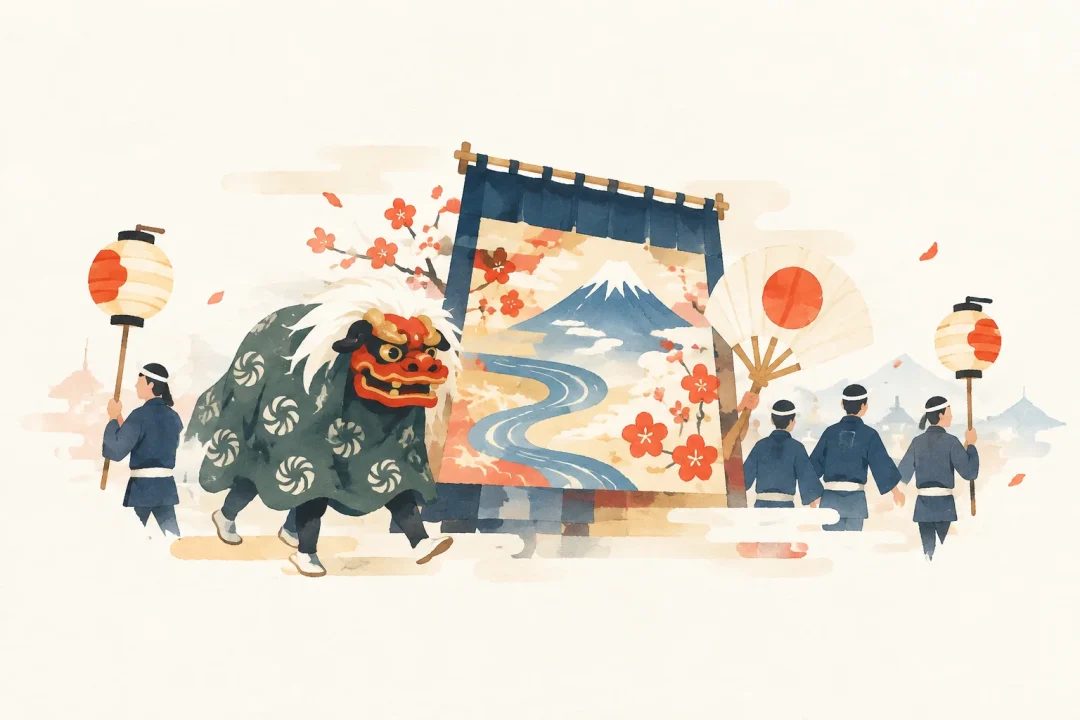
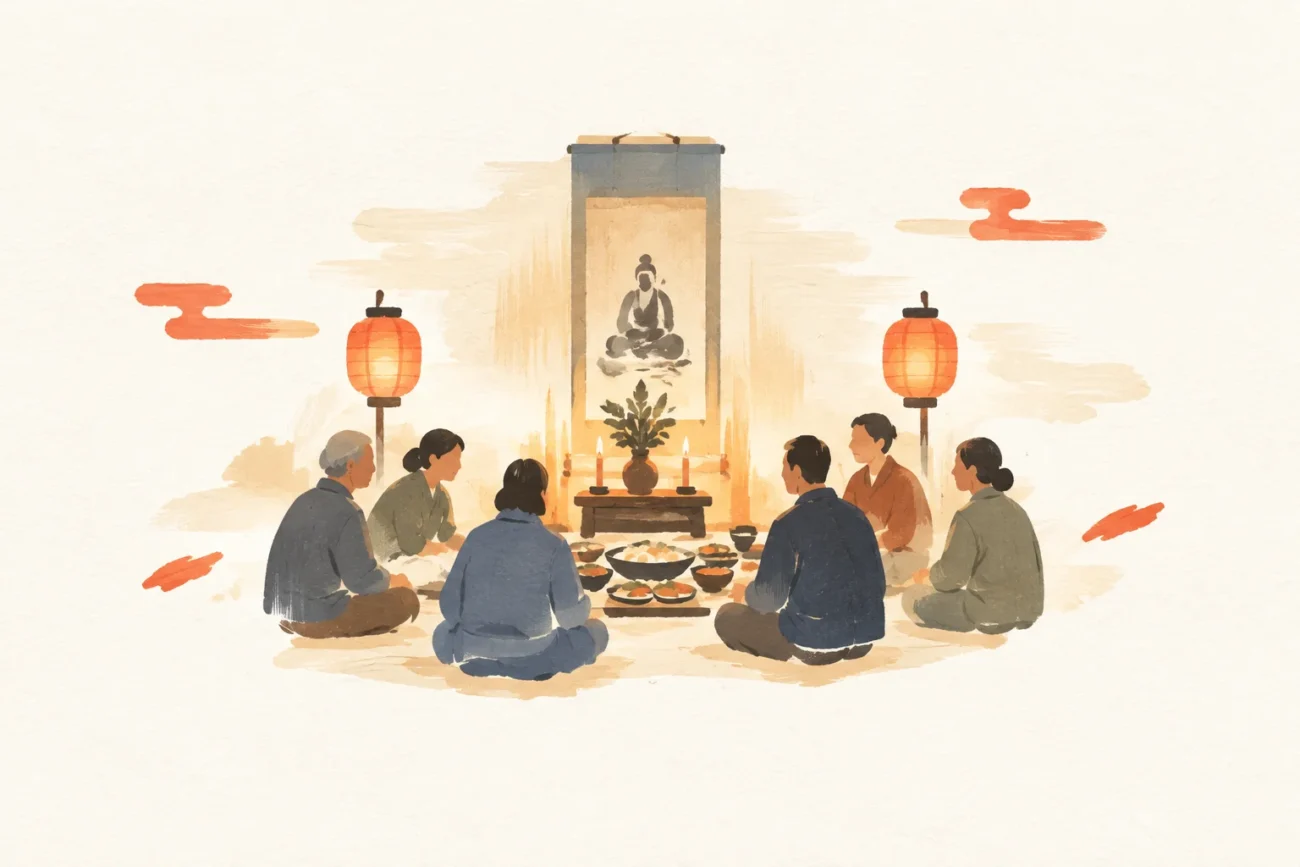
Kōshin-machi in Ryūō-Shinmachi is a gathering held on the night of Kōshin. People meet at the home taking its turn and pray while reciting mantras before a hanging scroll of Kōshin-sama.
The custom of sharing a meal and conversation together afterward, then dispersing, has continued to this day.
This tradition is passed down in the Ryūō-Shinmachi district of Kai City and was designated an intangible folk cultural property of Kai City in Showa 58May 6.
Festival highlights
Highlights include the hanging scroll of Kōshin-sama displayed in the home taking its turn, and the group recitation of mantras before it.
The practice of Kōshin-machi—keeping a night vigil and observing the night of Kōshin in restraint—is reflected in the prayers.
Another distinctive feature is that everyone shares a meal and conversation after praying. The saying “Good stories are told on the night of Kōshin” has been passed down.
Prayers and conversation around a hanging scroll: the night of Kōshin passed down in Ryūō-Shinmachi
What to expect
On the night of Kōshin, the household taking its turn displays a hanging scroll of Kōshin-sama, and people pray before it while reciting mantras.
Kōshin-machi reflects the belief that three worms, called sanshi, leave the body to report a person’s sins to the Celestial Emperor, so people stay awake and spend the night observing restraint.
After the prayers, everyone shares a meal and conversation, then disperses.
Location and access
- Venue and address
Ryūō-Shinmachi district, Kai City
Address Ryūō-Shinmachi district, Kai City
Origins and History of Kōshin-machi in Ryūō-Shinmachi
The beginnings of Kōshin-machi in Ryūō-Shinmachi are unclear, but it is said to have continued since around the mid-Edo period.
Kōshin-machi was practiced throughout Japan. In Ryūō-Shinmachi, the tradition of praying before a displayed hanging scroll, then sharing a meal and conversation, has been passed down.
The scroll box bears the date Tenpō 6 (1835), and the back of the image of the principal deity, Shōmen Kongō, bears the date Kōka 3 (1846).
Official information
Kai City Official Website (Lifelong Learning and Culture Division), “Kōshin-machi in Ryūō-Shinmachi, with One Hanging Scroll of a Silk-Kept, Colored Image of Shōmen Kongō”
Kōshin-machi in Ryūō-Shinmachi at a Glance
Kōshin-machi in Ryūō-Shinmachi is a gathering held on the night of Kōshin. People recite mantras before a hanging scroll, then share a meal and conversation after praying.
Although its beginnings are unclear, it has continued since around the mid-Edo period; related scroll boxes and images bear dates of 1835 and 1846.
The tradition is passed down in the Ryūō-Shinmachi district of Kai City and became a municipal intangible folk cultural property in Showa 58.
Sources and references
Accommodation and hotels PR
Showing nearby accommodation.
Prices and availability are current at the time of retrieval. For multi-night stays, only the first night’s price is shown. Confirm the final price and directions to the venue with the booking provider. Select your dates again when using the area search link. Search area: within 3 km of Central Yamanashi Prefecture / Kai City (the search is not centered on the festival venue)
Japanese Festivals.jp Editorial Team
Celebrating local culture and helping you discover a side of Japan you never knew.
Article updated: 2026/11/12