A morning festival in Kusatsu where chants, food offerings, fire, and a snake rope preserve ancient practices
Head-family rites at Osugi Shrine
Festival information
EVENT INFORMATION- Location
- Osugi
- Area
- Shiga Prefecture・Kusatsu City(From Tokyo: approx. 2 h 20 min–3 h · bullet train + connecting train)Prefecture-level estimate to a main station or airport, not the venue. Airport access, check-in and onward travel are extra; remote areas and islands can take much longer.
- Highlights and activities
- Wishes behind the festival
- Last updated
- 2026/11/13
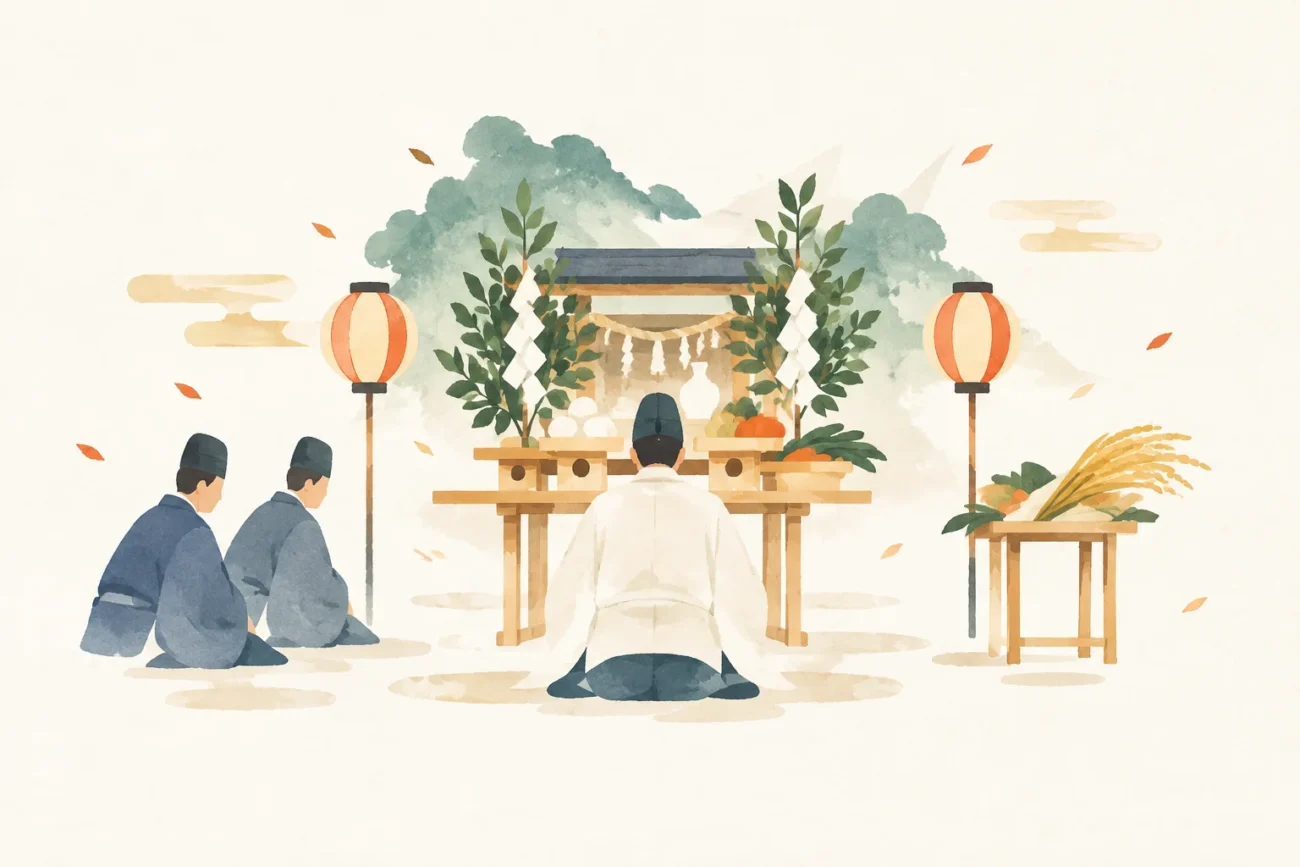
A head-family rite praying for a good harvest, passed down at Osugi Shrine in Shimokasacho, Kusatsu City. The miyaza on duty offer food offerings and perform according to time-honored practices.
About Head-family rites at Osugi Shrine
The head-family rites at Osugi Shrine are shinji passed down at Osugi Shrine in Shimokasacho, Kusatsu City.
It is a pre-celebration ritual praying for a good harvest that year, also known as the “Eto Eto Festival.”
The 8 miyaza take turns performing the shinji, with the head family at the center preparing and offering the food offerings.
Festival highlights
A highlight is the moment when the people on duty form a procession carrying food offerings and call out, “Eto ya, eto ya, eto eto yaa!”
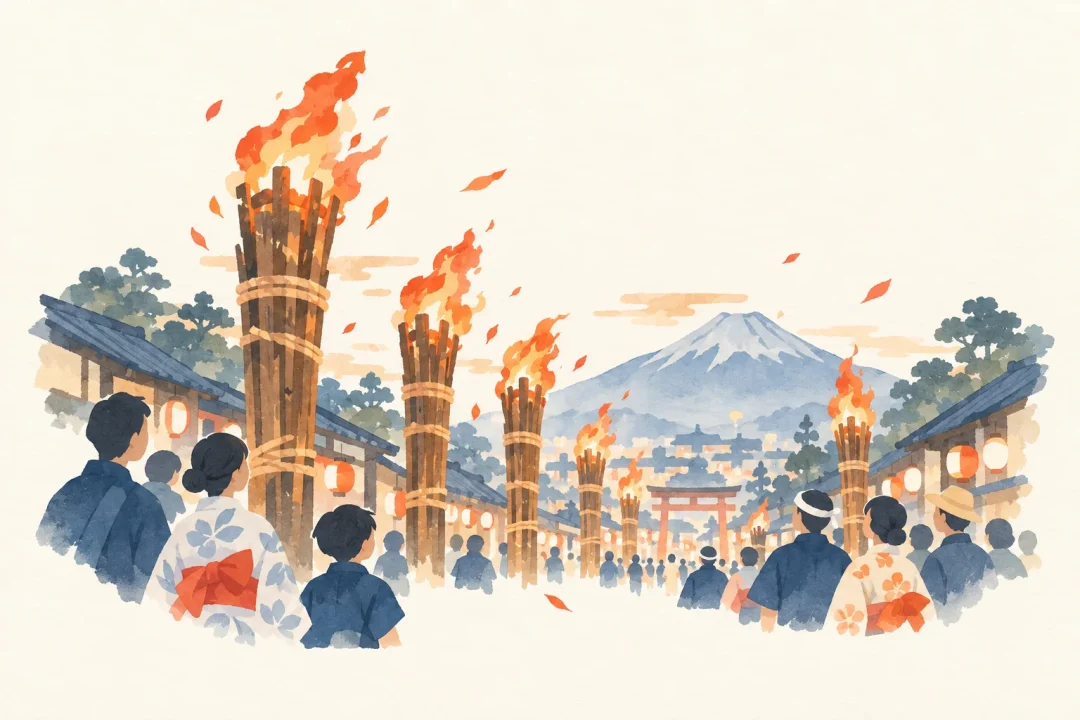
Near the second , the Sagicho is lit, and the food offerings are placed at designated locations in a set order within the shrine grounds.
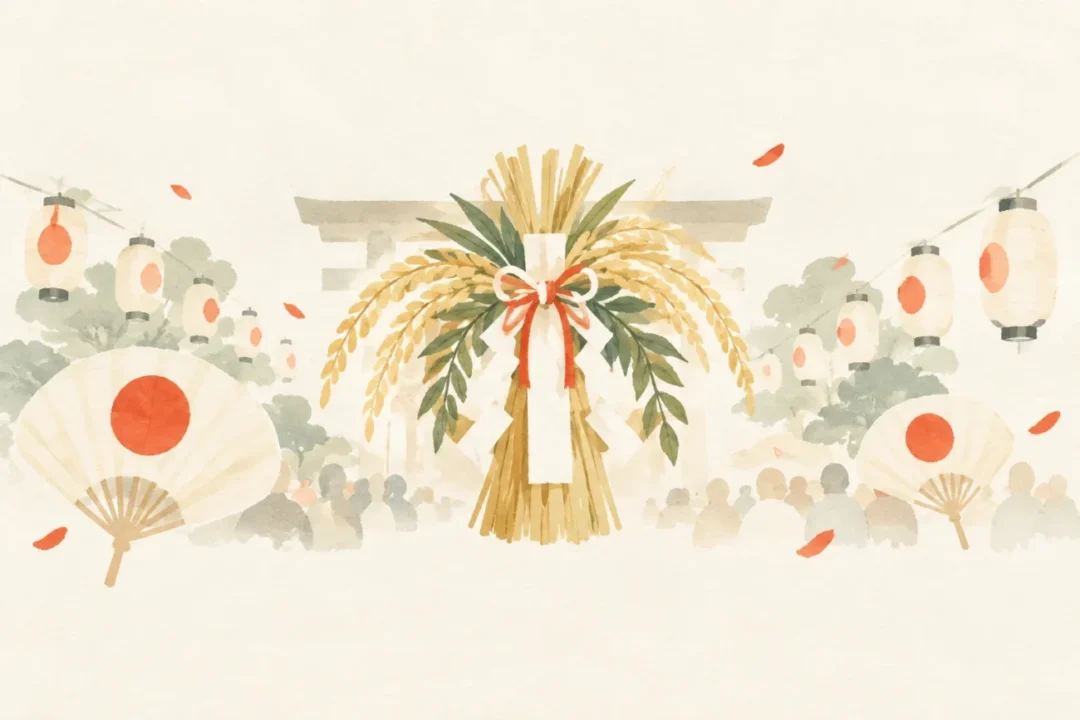
Another distinctive ritual movement is hanging the snake rope from the on the torii.
A morning festival in Kusatsu where chants, food offerings, fire, and a snake rope preserve ancient practices
What to expect
For the event, people from the village on duty bring food offerings prepared at the head family’s home several days in advance and head to Osugi Shrine.
After the offerings are presented, the snake rope is hung from the torii, and representatives of each village sit in the haiden to perform shinji.
The event is carried out by representatives of the 8 miyaza.
Location and access
- Venue and address
Osugi Shrine grounds / 1196 Shimokasacho, Kusatsu City
Address 1196 Shimokasacho, Kusatsu City
Accommodation and hotels PR
Showing nearby accommodation.
Prices and availability are current at the time of retrieval. For multi-night stays, only the first night’s price is shown. Confirm the final price and directions to the venue with the booking provider. Select your dates again when using the area search link. Search area: within 3 km of Central Shiga Prefecture / Kusatsu City (the search is not centered on the festival venue)
Nearby attractions

滋賀県立琵琶湖博物館
滋賀県草津市にある博物館

立木神社
滋賀県草津市にある神社

草津宿本陣
滋賀県草津市に現存する本陣

草津市立水生植物公園みずの森
滋賀県草津市にある植物園

草津市立草津宿街道交流館
滋賀県草津市にある史料館

鞭崎八幡宮
滋賀県草津市にある神社
Origins and History of Head-family rites at Osugi Shrine
The miyaza, whose members take turns overseeing the events each year, is said to have continued since the medieval period.
Representatives of 8 villages participate as “otona,” and the oldest person in the village on duty serves as the head of the head family.
The head-family rites at Osugi Shrine were selected as a Shiga Prefecture-selected intangible folk cultural property in Showa 63 (1988).
Official information
Kusatsu City’s list of cultural properties includes the head-family rites at Osugi Shrine as an intangible folk cultural property selected by the prefecture.
The preservation group is the Osugi Shrine Head-Family Rites Preservation Society, and the location is Shimokasacho.
Head-family rites at Osugi Shrine at a Glance
The head-family rites at Osugi Shrine are a pre-celebration ritual for a good harvest, known as the “Eto Eto Festival.”
The people on duty carry the food offerings while chanting together, then proceed to the Sagicho fire, the offering of food, the raising of the snake rope, and shinji at the haiden.
This cultural property preserves a system centered on the miyaza and time-honored practices.
Japanese Festivals.jp Editorial Team
Celebrating local culture and helping you discover a side of Japan you never knew.
Article updated: 2026/11/13