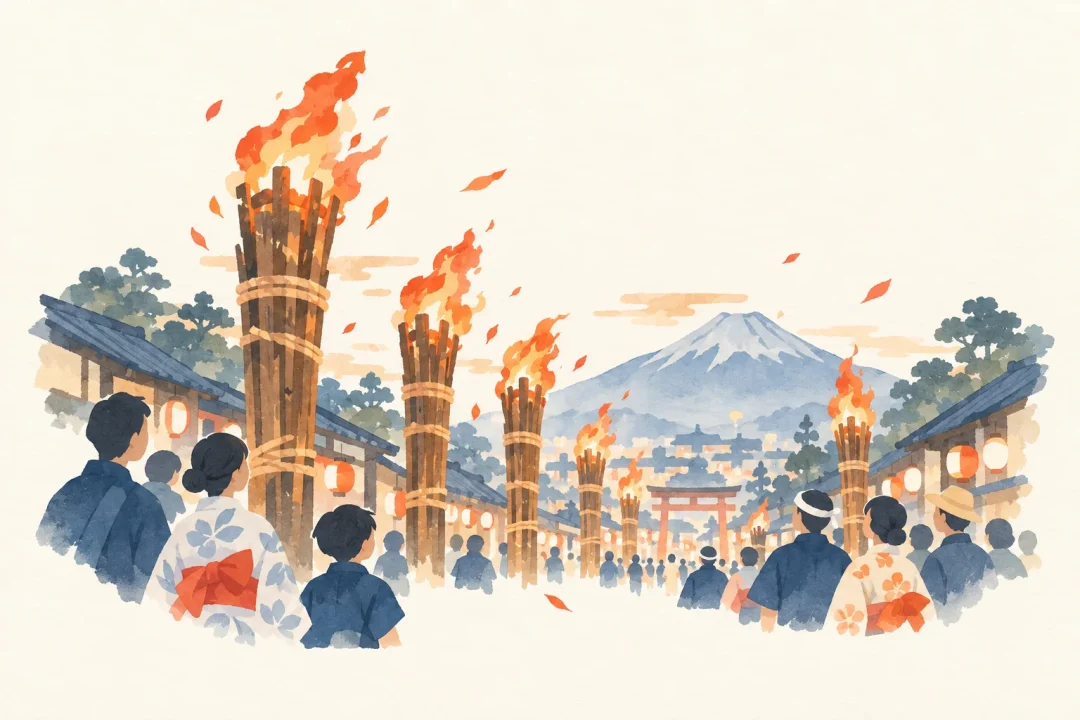
Takasaki’s Nakazato fire-walking: carrying on the fire and prayers
Nakazato Hiwatari
Festival information
EVENT INFORMATION- Location
- Nakazato-machi, Takasaki City
- Area
- Gunma Prefecture・Takasaki City(From Tokyo: approx. 50 min–1 h · bullet train)Prefecture-level estimate to a main station or airport, not the venue. Airport access, check-in and onward travel are extra; remote areas and islands can take much longer.
- Features
- Highlights and activities
- Wishes behind the festival
- Participation / viewing
- Open to public participation
- Last updated
- 2026/11/11
Nakazato Hiwatari is an event in Nakazato-machi, Takasaki City, that carries on wishes for bountiful harvests, household safety, and more through the ascetics’ prayers and fire rituals.
About Nakazato Hiwatari
Nakazato Hiwatari is a fire ritual performed by ascetics who climb Mount Ontake in Kiso to train.
In rural communities during the Edo period, it became established as an annual event, connected with people’s wishes for bountiful harvests, household safety, and the eradication of disease.
The event is still held today and has been designated a Takasaki City Important Intangible Folk Cultural Property.
Festival highlights
One highlight is the sequence in which firewood is lit and, after prayers, the flames gradually die down.
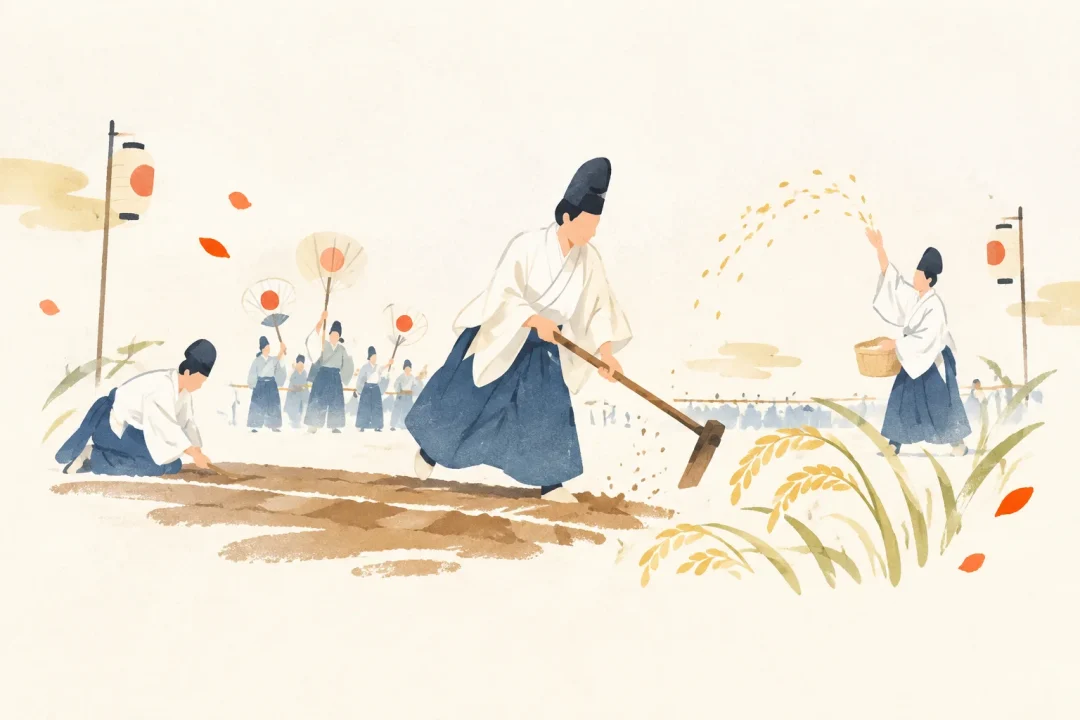
Once the flames have died down, salt is scattered to clear a path for the fire-walking.
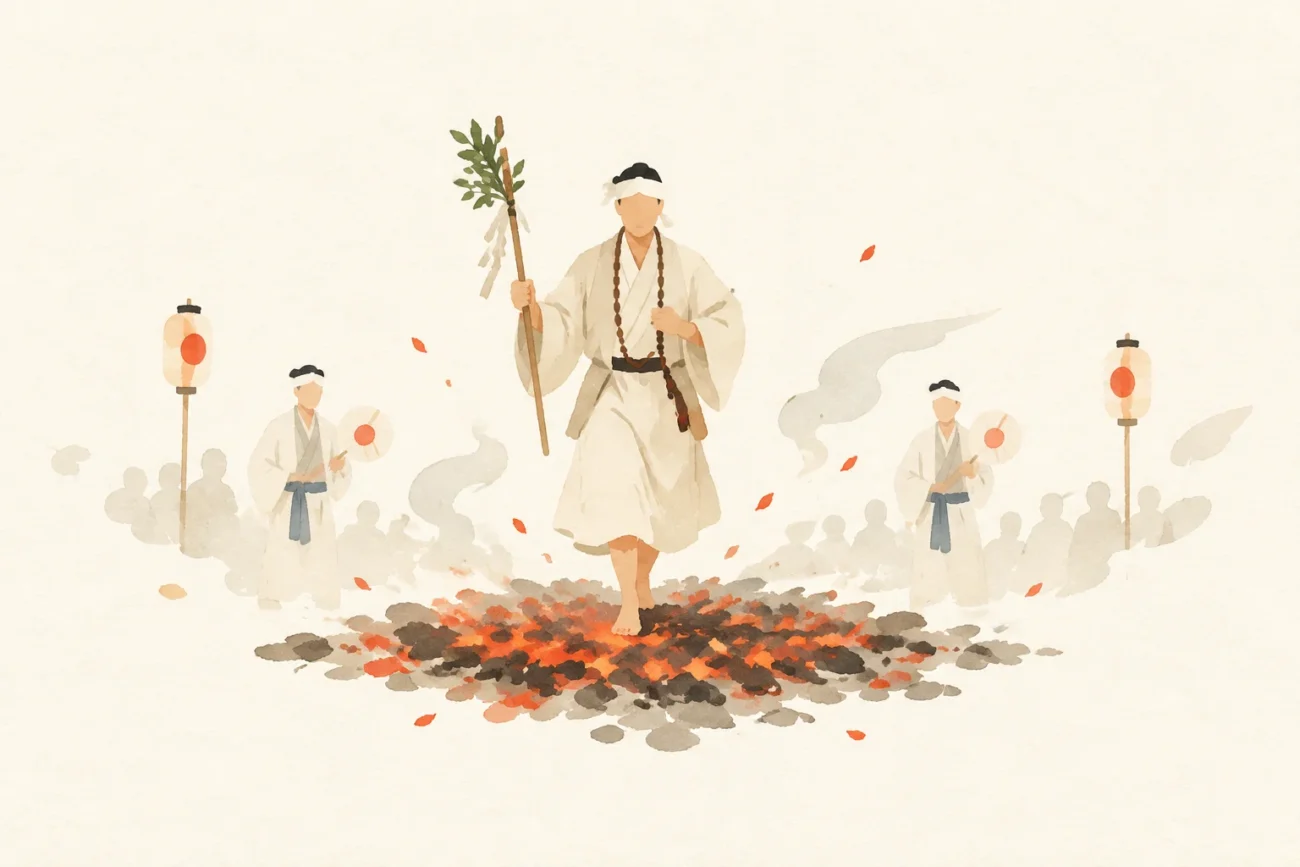
A distinctive feature of the event is that an ascetic carrying a crosses the path of fire first, followed by members of the public.
Takasaki’s Nakazato fire-walking: carrying on the fire and prayers
What to expect
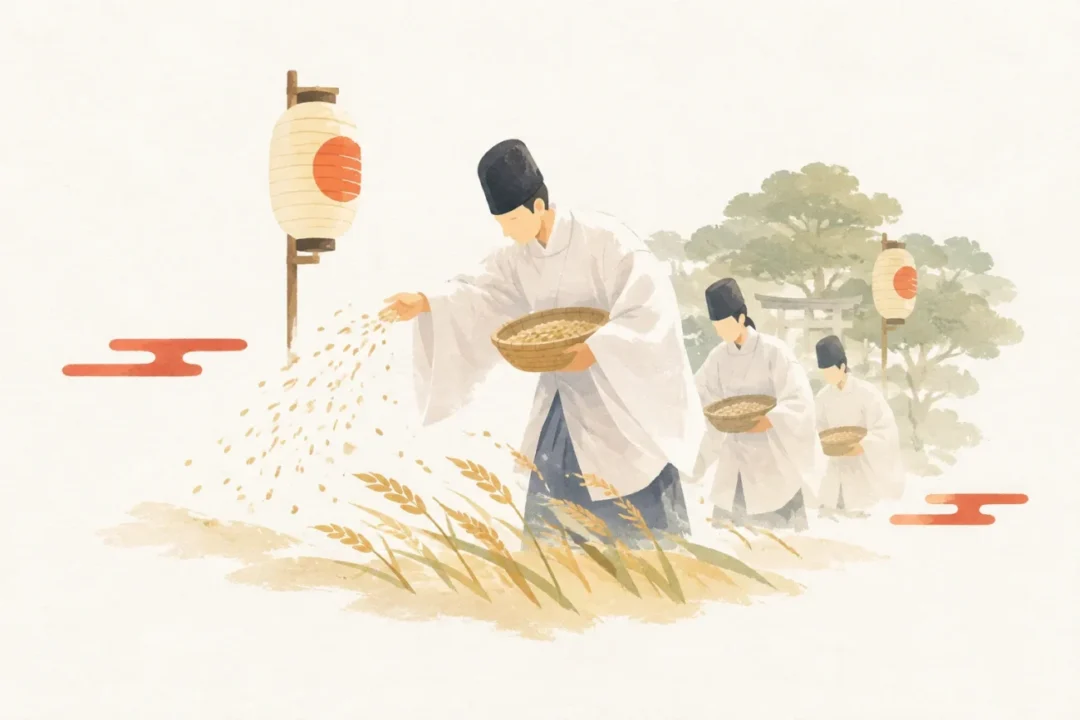
The event begins with an ascetic chanting words to call the gods and performing a purification ritual.
Next, firewood is lit and prayers are offered repeatedly. When the flames die down, salt is scattered to clear a path.
The event proceeds in this order: an ascetic carrying a gohei crosses first, followed by members of the public.
How to take part
After the ascetics cross, members of the public also walk across the fire.
Following the ascetics’ fire-walking, members of the public also cross.
Location and access
- Venue and address
Nakazato-machi, Takasaki City
Address Nakazato-machi, Takasaki City
Accommodation and hotels PR
Showing nearby accommodation.
Prices and availability are current at the time of retrieval. For multi-night stays, only the first night’s price is shown. Confirm the final price and directions to the venue with the booking provider. Select your dates again when using the area search link. Search area: within 3 km of Central Gunma Prefecture / Takasaki City (the search is not centered on the festival venue)
Nearby attractions

榛名神社
群馬県高崎市にある神社

群馬県立土屋文明記念文学館
群馬県高崎市にある文学施設

群馬県立歴史博物館
群馬県高崎市の群馬の森内にある博物館

群馬県立近代美術館
群馬県高崎市の群馬の森内にある美術館

群馬縣護國神社
群馬県高崎市にある神社

高崎市美術館
群馬県高崎市にある美術館
Origins and History of Nakazato Hiwatari
Nakazato Hiwatari is based on the fire rituals performed by ascetics who train on Mount Ontake in Kiso.
In rural communities during the Edo period, it became established as an annual event, connected with people’s wishes for bountiful harvests, household safety, and the eradication of disease.
In Heisei 17November 25, it was designated a Takasaki City Important Intangible Folk Cultural Property.
Official information
Nakazato Hiwatari is featured in the cultural property information on the official Takasaki City website.
The origins of the event and the sequence of the fire-walking ceremony are described as part of a Takasaki City-designated Important Intangible Folk Cultural Property.
Nakazato Hiwatari at a Glance
Nakazato Hiwatari is an event that originates in the fire rituals of ascetics who train on Mount Ontake.
Rooted in rural communities during the Edo period and connected with wishes for bountiful harvests, household safety, and the eradication of disease, the event is still held today.
After invocations to call the gods, purification, lighting the firewood, prayers, and the custom of clearing a path with salt, the ascetics and members of the public walk across the fire.
Sources and references
Japanese Festivals.jp Editorial Team
Celebrating local culture and helping you discover a side of Japan you never knew.
Article updated: 2026/11/11