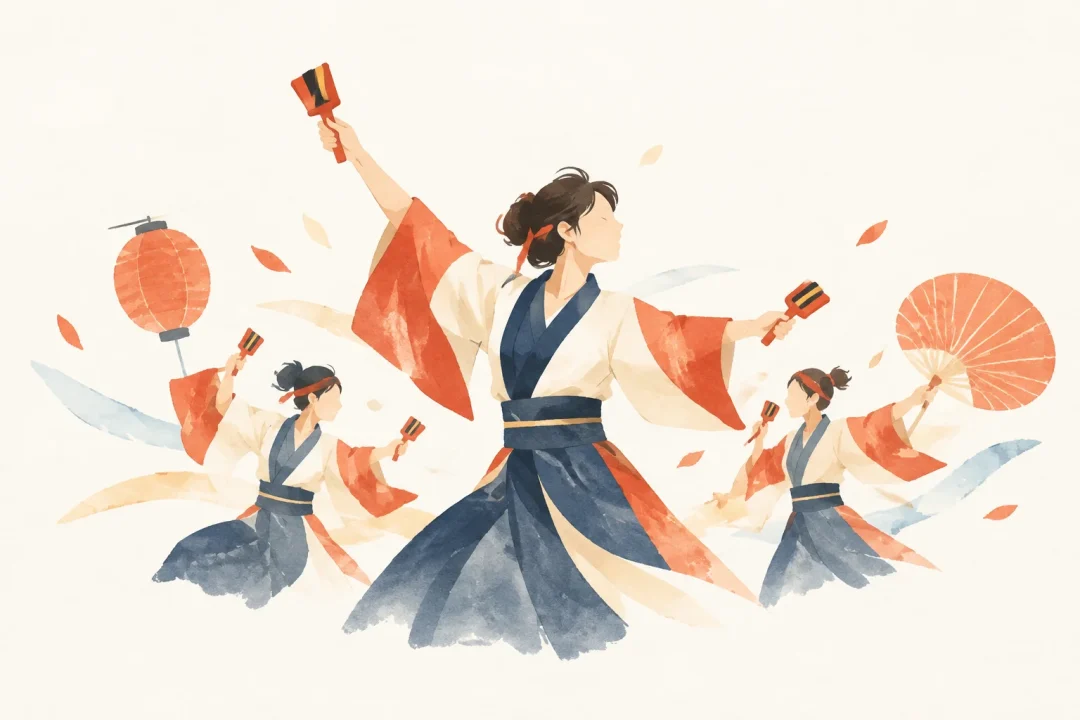
A traditional dance of Tamakawa Village girls, accompanied by nenbutsu chants, flutes, and bells
Nansugama Nenbutsu Odori
Festival information
EVENT INFORMATION- Season / frequency
- Every year
- Area
- Fukushima Prefecture・Tamakawa Village(From Tokyo: approx. 1 h 20 min–1 h 40 min · bullet train)Prefecture-level estimate to a main station or airport, not the venue. Airport access, check-in and onward travel are extra; remote areas and islands can take much longer.
- Highlights and activities
- Wishes behind the festival
- Last updated
- 2026/10/19
A folk performing art passed down in the Nansugama district of Tamakawa Village, in which girls dance to nenbutsu chants, songs, flutes, and bells. Standing and seated dances using fans or ayatake bamboo sticks are part of the tradition.
About Nansugama Nenbutsu Odori
The Nansugama Nenbutsu Odori is a nenbutsu dance passed down in the Nansugama district of Tamakawa Village, Fukushima Prefecture.
The girls dance to the sound of bells, drums, flutes, and songs while chanting nenbutsu and wasan hymns.
The local preservation society carries on the tradition and carefully safeguards it as a folk performing art.
Selected by the Agency for Cultural Affairs as an “intangible folk cultural property for which measures such as the creation of records should be undertaken.”
Source: 国指定文化財等データベース / 江戸時代から続く伝統の舞『南須釜の念仏踊り』|たまかわの〇〇|玉川村観光物産協会
Festival highlights
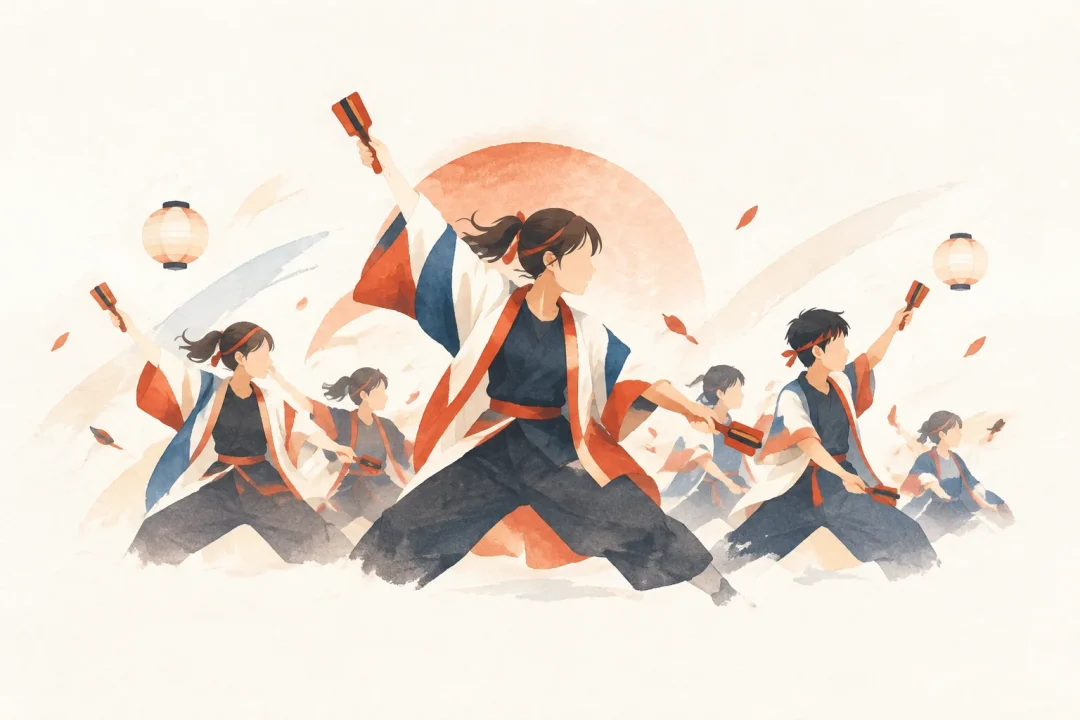
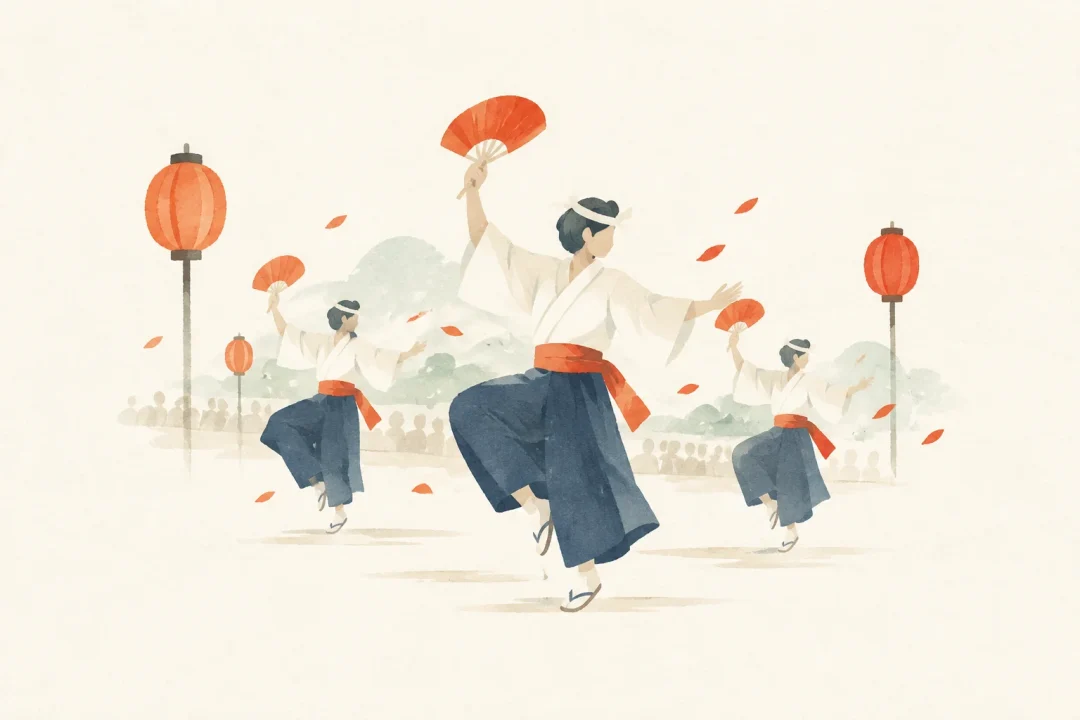
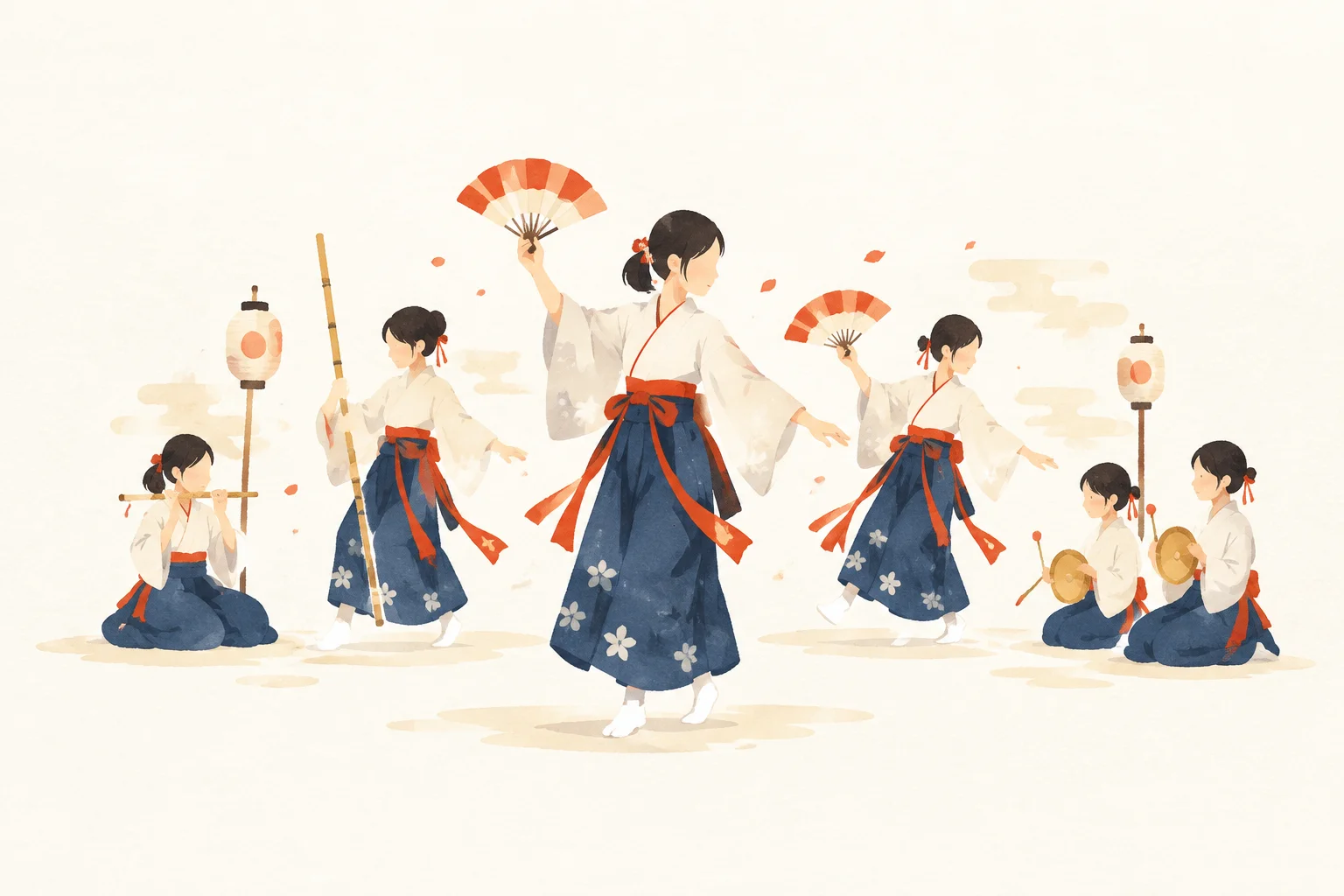
Highlights include the girls’ standing and seated dances, performed with fans or ayatake bamboo sticks.
Their costumes vary by season, from furisode to , and their tsumaori-gasa hats, decorated with flowers and cut-paper ornaments, are also eye-catching.
A nenbutsu chant refrain is woven into each line of the songs, and each dance has its own distinctive movements.
A traditional dance of Tamakawa Village girls, accompanied by nenbutsu chants, flutes, and bells
What to expect
During the offering, the girls perform several pieces in sequence to the flute, bells, and singing of the preservation society.
Some dances use 2 fans, while others use ayatake bamboo sticks filled with azuki beans. There are both standing dances and seated dances performed kneeling upright.
At the end of the piece, the performers chant “Ekō Jōbutsu, Namu Amida Butsu.” The full program is said to take about 25 minutes.
Location and access
- Address
Tamakawa Village
Host municipality 福島県玉川村
This map shows the surrounding area, not the exact venue location.
Dates and season
- Frequency
Every year
Accommodation and hotels PR
Showing nearby accommodation.
Prices and availability are current at the time of retrieval. For multi-night stays, only the first night’s price is shown. Confirm the final price and directions to the venue with the booking provider. Select your dates again when using the area search link. Search area: within 3 km of Central Fukushima Prefecture / Tamakawa Village (the search is not centered on the festival venue)
Origins and History of Nansugama Nenbutsu Odori
The Nansugama Nenbutsu Odori is said to have begun around the Keian era in the early Edo period, when boys and girls aged 14–15 danced to honor the Buddha.
The tradition died out for a time, but was revived in 1952 based on the memories of Kesa Ōno.
It was subsequently passed down by the preservation society, designated an Important Intangible Cultural Property of Fukushima Prefecture in 1975, and selected by the Agency for Cultural Affairs as an Intangible Folk Cultural Property in 1978.
Official information
The Agency for Cultural Affairs’ Database of Nationally Designated Cultural Properties introduces the Nansugama Nenbutsu Odori as an “intangible folk cultural property for which measures such as the creation of records should be undertaken.”
The Tamakawa Village Tourism and Products Association also provides information about how the Nansugama Nenbutsu Odori Preservation Society carries on the tradition and performs it as an offering.
Nansugama Nenbutsu Odori at a Glance
The Nansugama Nenbutsu Odori is a traditional performing art passed down in the Nansugama district of Tamakawa Village, in which girls dance to nenbutsu chants, songs, bells, and flutes.
The dances feature standing and seated performances with fans or ayatake bamboo sticks, seasonal costumes, and movements that vary from piece to piece.
Japanese Festivals.jp Editorial Team
Celebrating local culture and helping you discover a side of Japan you never knew.
Article updated: 2026/10/19
Submit information or a correction Submit photos of this festival