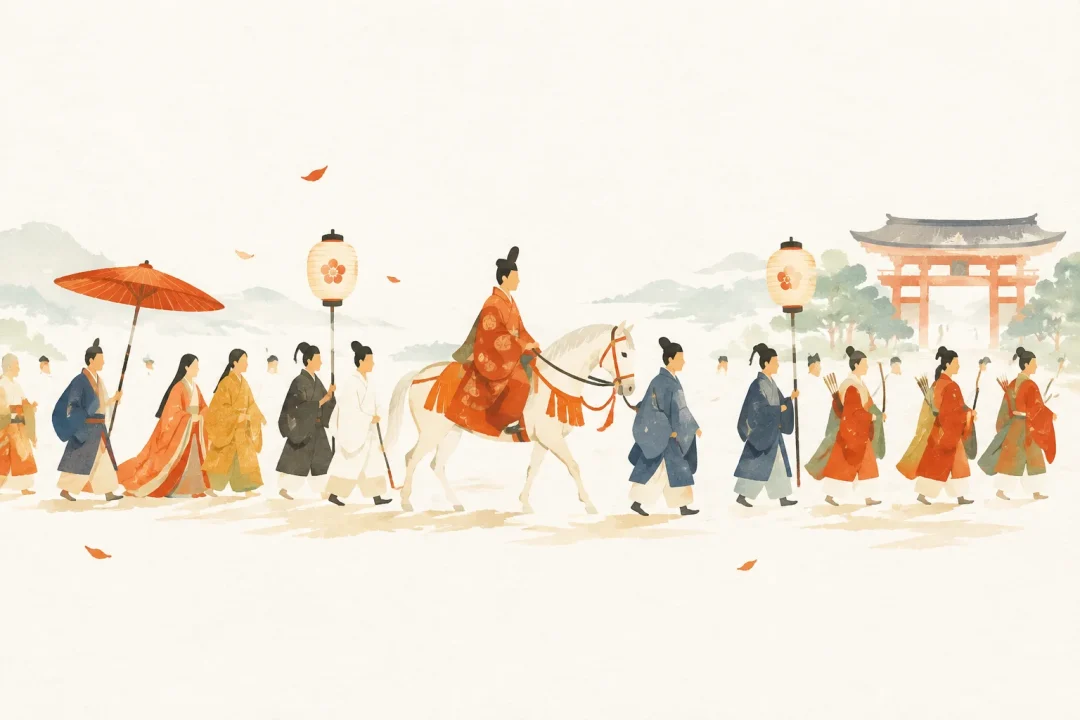
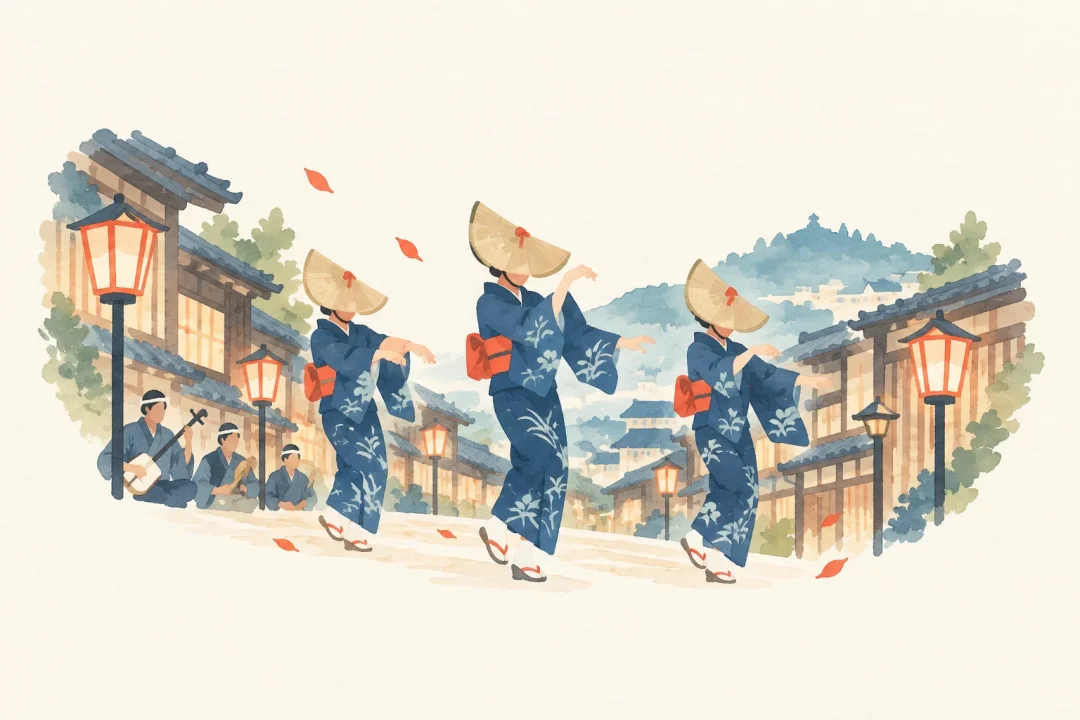
A Mibu traditional performing art where the ringing of gongs and drums meets the skillful lion dance
Mibu Rokusai Nenbutsu Odori
The 2026 edition of Mibu Rokusai Nenbutsu Odori has ended.
Festival information
EVENT INFORMATION- Dates
- 2026/08/09Ended
- Season / frequency
- Around the Urabon season in August each year / Held annually as part of the yearly events
- Location
- Mibu-dera Temple
- Area
- Kyoto Prefecture・Kyoto City(From Tokyo: approx. 2 h 10 min–2 h 40 min · bullet train)Prefecture-level estimate to a main station or airport, not the venue. Airport access, check-in and onward travel are extra; remote areas and islands can take much longer.
- Features
- Highlights and activities
- Participation / viewing
- Spectators welcome
- Last updated
- 2026/10/19
Mibu Rokusai Nenbutsu Odori is a form of Odori Nenbutsu passed down in Mibu, Nakagyo Ward, Kyoto. Enjoy a performing art rooted in the community at Mibu-dera Temple, with its accompaniment of gongs, drums, and shinobue flute and its varied program.
About Mibu Rokusai Nenbutsu Odori
Mibu Rokusai Nenbutsu Odori is a form of Rokusai Nenbutsu Odori passed down in Mibu, Nakagyo Ward, Kyoto. This local performing art is carried on by the Mibu Rokusai Nenbutsu group, a local volunteer organization.
Music is performed to the accompaniment of gongs, drums, and shinobue flute, including pieces based on jiuta and nagauta songs.
Alongside Odori Nenbutsu, acrobatic acts such as the balancing on a go board are also performed.
A traditional event rooted in Mibu and designated an Important Intangible Folk Cultural Property of Japan.
Source: 壬生六斎念仏踊り - Wikipedia
Festival highlights
Highlights include the lively accompaniment of gongs, drums, and flute, together with Odori Nenbutsu performed to the music.
Acts such as Yotsudaiko and Gion Bayashi help create a varied program unique to the Mibu Rokusai Nenbutsu group.
The lion dance also features acrobatic acts beyond the music, including the lion dance, the lion balancing on a go board, and Tsuchigumo.
A Mibu traditional performing art where the ringing of gongs and drums meets the skillful lion dance
What to expect
During the offering, members of the group perform in matching as a rule, changing their costumes to suit each act.
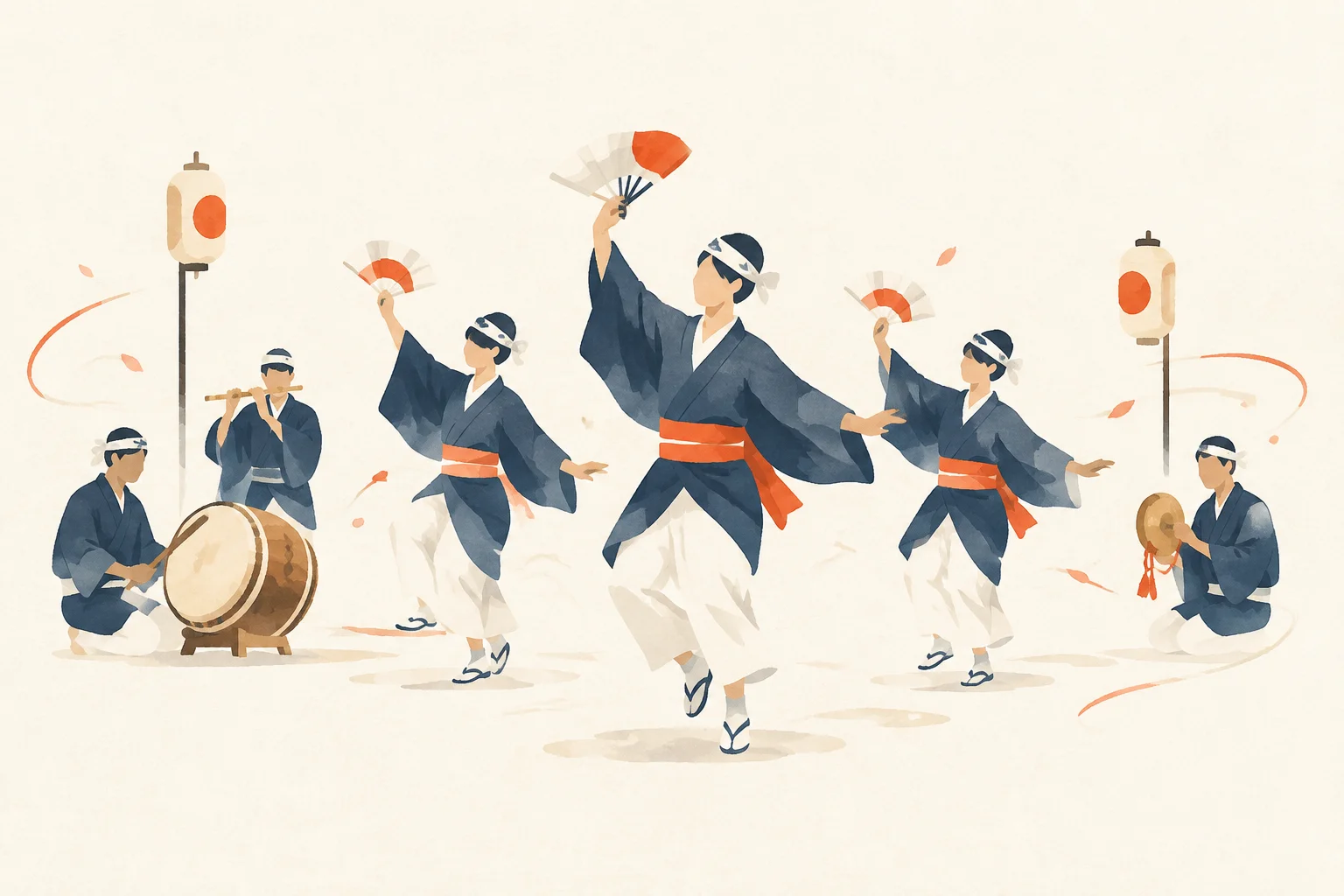
The performance centers on chanting the nenbutsu and dancing to the accompaniment of gongs, drums, and shinobue flute.
The listed pieces include Hotsugan and Ketsugan, in which the nenbutsu is chanted, as well as Yotsudaiko, Gion Bayashi, Temari-uta, and Echigo-jishi.
The offering at Mibu-dera Temple continues to be held on August 9.
How to take part
The 2026 Mibu Rokusai Nenbutsu was listed as open to visitors at Mibu-dera Temple.
Since there is no information on whether general visitors can participate as performers, it is best to consider this an event to attend as a spectator.
As it is held outdoors, it may be canceled at short notice depending on weather conditions.
Source: 2026年 六斎念仏踊り 一覧|【京都市公式】京都観光Navi
Location and access
- Venue and address
Mibu-dera Temple (Mibu, Nakagyo Ward, Kyoto)
- Train and bus
Get off at the Mibu-dera-michi bus stop and walk 5 minutes.
Get off at Ōmiya Station on the Hankyu Kyoto Line and walk 10–15 minutes.
Source: 六斎念仏 | イベント一覧 | 京都府観光連盟公式サイト
Event venue 京都府京都市 壬生寺
This map uses the venue name. Check the official guide for the event area and entrances.
Dates and season
2026 event information (the listed dates have passed)
In 2026, it was scheduled to be held at Mibu-dera Temple on August 9 (Sunday), from 7 p.m. until around 9 p.m.
Mibu Rokusai Nenbutsu is listed as one of the events held from August 9, 2026 to September 6, during which public Rokusai Nenbutsu offerings continue.
The offering at Mibu-dera Temple is an opportunity to see Mibu’s Rokusai Nenbutsu, performed during the Urabon season.
Accommodation and hotels PR
Showing nearby accommodation.
Prices and availability are current at the time of retrieval. For multi-night stays, only the first night’s price is shown. Confirm the final price and directions to the venue with the booking provider. Select your dates again when using the area search link. Search area: within 3 km of Central Kyoto Prefecture / Kyoto City (the search is not centered on the festival venue)
Tips for your visit
The event is held outdoors, so it may be canceled at short notice depending on the weather.
The 2026 information listed the offering as taking place from 7 p.m. until around 9 p.m., so prepare to watch the event in the at night.
Admission is free, but please watch quietly and follow the staff’s and temple’s instructions so as not to disrupt the traditional performances offered to the temple.
Nearby attractions

京都タワー
京都府京都市下京区にある塔

京都国立博物館
京都市にある国立博物館

京都国立近代美術館
京都市左京区岡崎にある美術館

京都国際マンガミュージアム
日本の京都府京都市中京区にある日本最大の漫画博物館

京都市美術館
京都市左京区岡崎にある美術館

京都府立植物園
京都市左京区にある植物園

京都鉄道博物館
京都府京都市下京区にある鉄道博物館

Fushimi Inari Taisha
京都市伏見区にある神社

元離宮二条城
京都市にある城郭及び元皇室関連施設

Yasaka Shrine
京都市東山区にある神社

円山公園
京都市にある公園

Kitano Tenmangu Shrine
京都市上京区にある神社
Origins and History of Mibu Rokusai Nenbutsu Odori
Rokusai Nenbutsu was originally a religious observance held on days of abstinence and purification known as rokusai days, and is thought to derive from Odori Nenbutsu, or “dancing the nenbutsu.”
From the early modern period, Noh and , among other arts, were incorporated in and around Kyoto, and the practice became popularized and passed down as a performing art.
After the main hall burned down in Showa 37, Mibu Rokusai Nenbutsu came to be performed on a special stage in the grounds of Mibu-dera Temple, where it continues to this day.
Official information
壬生六斎念仏講中の公式サイトとして、壬生寺の案内から「www.mibudera.com」が案内されています。
The 2026 event information is also listed on Kyoto City’s official Kyoto Travel Navi website.
Mibu Rokusai Nenbutsu Odori at a Glance
Mibu Rokusai Nenbutsu Odori is a local performing art designated an Important Intangible Folk Cultural Property, passed down in Mibu, Nakagyo Ward, Kyoto.
In addition to Odori Nenbutsu accompanied by gongs, drums, and shinobue flute, a variety of acts are performed, including Yotsudaiko, Gion Bayashi, and the lion dance balancing on a go board.
In 2026, the offering was scheduled to take place at Mibu-dera Temple on August 9, with free admission for visitors.
Japanese Festivals.jp Editorial Team
Celebrating local culture and helping you discover a side of Japan you never knew.
Article updated: 2026/10/19
Submit information or a correction Submit photos of this festival