The old autumn festival of Nakamura, linked by a brown-rice shintai and a mikoshi
Special Ritual of Kikuma-no Jinja
Festival information
EVENT INFORMATION- Season / frequency
- October 7–9
- Location
- Kikuma-no
- Area
- Kagawa Prefecture・Zentsuji City(From Tokyo: approx. 1 h 15 min–1 h 35 min · flight time only)Prefecture-level estimate to a main station or airport, not the venue. Airport access, check-in and onward travel are extra; remote areas and islands can take much longer.
- Last updated
- 2026/11/11
A distinctive featuring brown rice as the has been passed down at Kikuma-no Jinja in Nakamura-cho, Zentsuji City. The festival unfolds according to old customs, with the toya’s home, the shrine, and the as its settings.
About Special Ritual of Kikuma-no Jinja
The Special Ritual of Kikuma-no Jinja is an autumn festival shinji passed down at Kikuma-no Jinja, the ujigami of Nakamura-cho, Zentsuji City.
Following old customs, the rite links the toya’s home, the shrine, and the otabisho.
Because brown rice is used as the shintai, the rite is thought to be a form of agricultural ritual. It is a Kagawa Prefecture-designated Intangible Folk Cultural Property that conveys practices handed down in the community.
Festival highlights
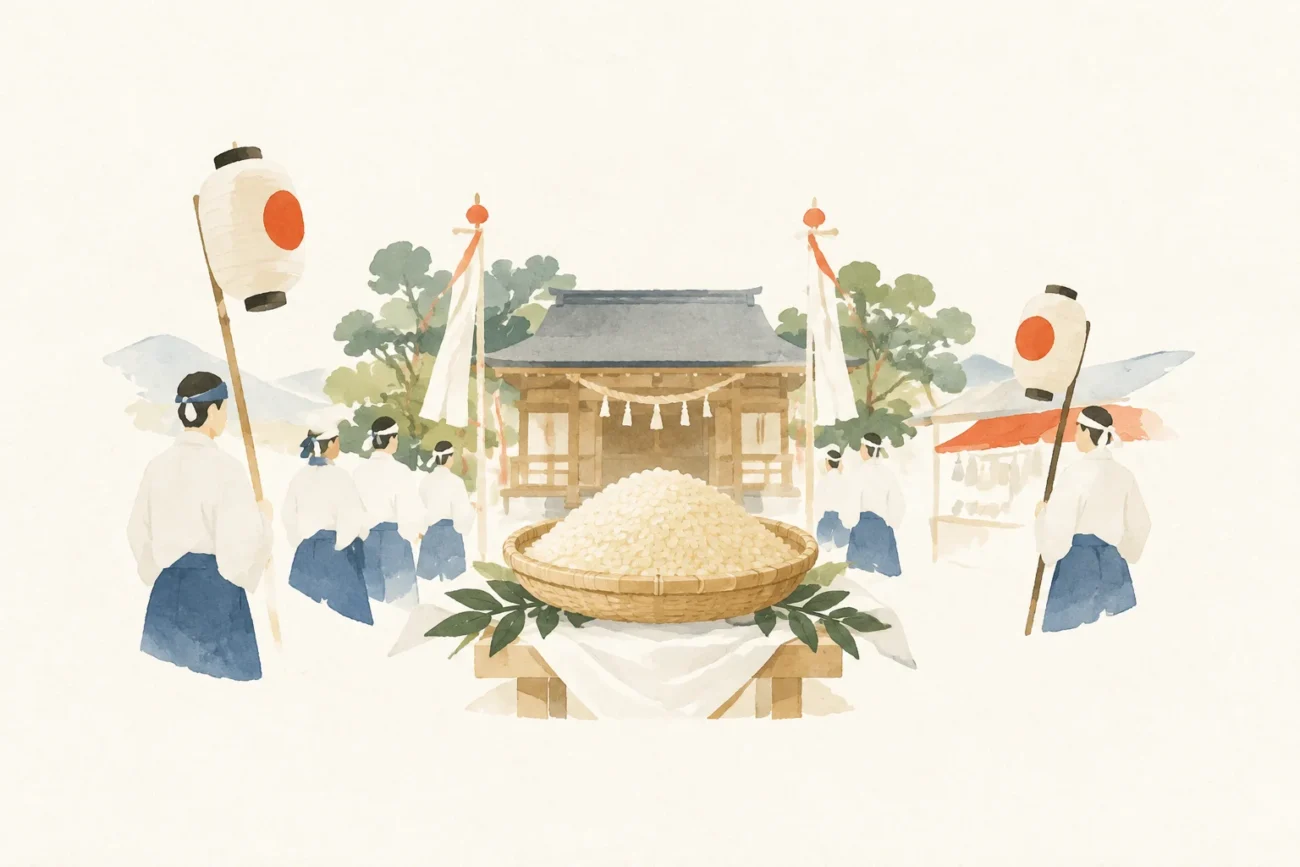
A highlight is the distinctive shinji in which a small tub containing brown rice is treated as sacred.
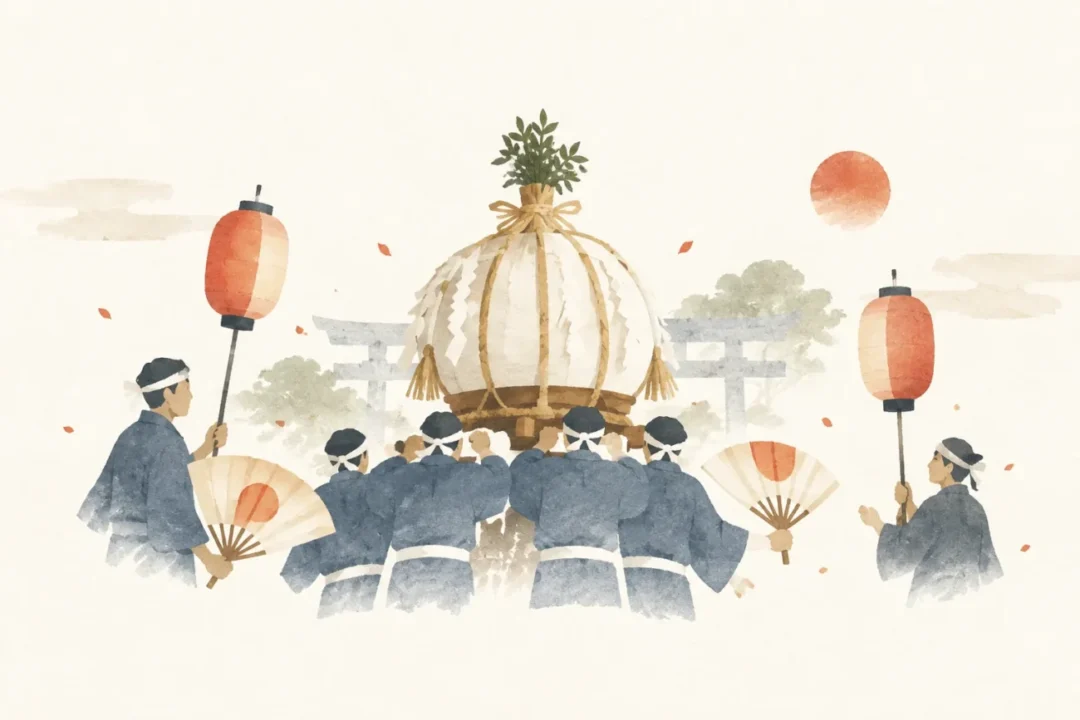
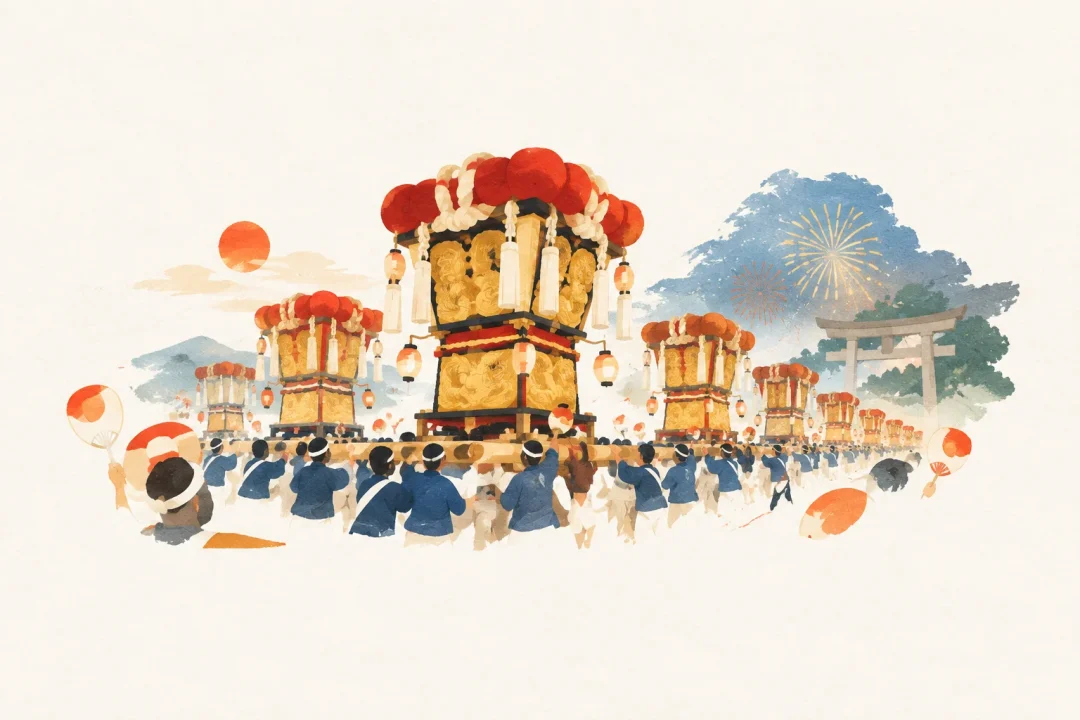
The leaves the toya’s home and heads to the otabisho, where the places the brown rice inside the mikoshi.
This is followed by the offering of food and a performance; the sequence of events, ending with the mikoshi’s return to the main shrine, reveals the form of an old festival.
The old autumn festival of Nakamura, linked by a brown-rice shintai and a mikoshi
What to expect
The Shiokawa shinji takes place 7 days before the festival. At the toya’s home, are cut, rice cakes are made, and amazake is carried to the shrine.
At the shrine, the shinshoku, the toya’s head, and others purify themselves with spring water in front of the shrine and wash the ritual implements.
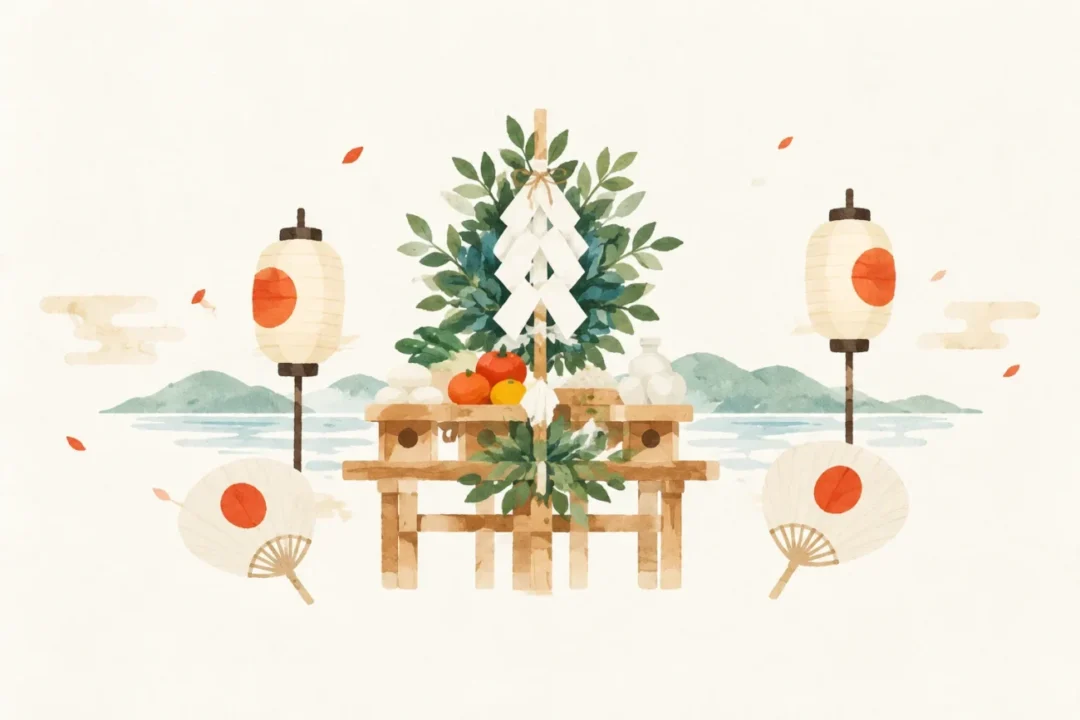
On the previous day, a shrine pavilion is set up at the toya’s home to welcome the mikoshi. On the day itself, the mikoshi proceeds from the toya’s home to the otabisho, then returns to the main shrine after the offering of food and a shishimai performance.
Location and access
- Venue and address
Kikuma-no Jinja, 137 Nakamura-cho, Zentsuji City (south of the Tadotsu–Zentsuji Line, west of Wakamiya Jinja)
Address 137 Nakamura-cho, Zentsuji City, Kagawa Prefecture
Dates and season
- Season
October 7–9
Accommodation and hotels PR
Showing nearby accommodation.
Prices and availability are current at the time of retrieval. For multi-night stays, only the first night’s price is shown. Confirm the final price and directions to the venue with the booking provider. Select your dates again when using the area search link. Search area: within 3 km of Central Kagawa Prefecture / Zentsuji City (the search is not centered on the festival venue)
Origins and History of Special Ritual of Kikuma-no Jinja
Kikuma-no Jinja bears a name meaning “Kumano of Kii” and is said to have originally been Kumano Gongen.
It was renamed Kikuma-no during the Meiji-era separation of Buddhism and Shinto, and was also known as Jūnisha Gongen or Nagi-no-Miya.
It is said that bunrei were sent from Kikuma-no Jinja in Nakamura to Kikuma-no Jinja in Kawaradani, Ikuno-no-hara, and Nishioka. The Special Ritual is passed down by a tradition-preservation group that upholds old customs.
Official information
Zentsuji City Digital Museum: Kikuma-no Jinja
Special Ritual of Kikuma-no Jinja at a Glance
The Special Ritual of Kikuma-no Jinja is a Kagawa Prefecture-designated Intangible Folk Cultural Property passed down at Kikuma-no Jinja in Nakamura-cho, Zentsuji City.
The sequence includes the Shiokawa shinji 7 days beforehand, the welcoming of the mikoshi on the previous day, the offering of brown rice and shishimai at the otabisho on the day itself, and the mikoshi’s return to the main shrine.
The shrine’s history, rooted in Kumano Gongen, and its brown-rice shintai, reminiscent of agricultural rites, convey the character of the region’s old festival traditions.
Sources and references
Japanese Festivals.jp Editorial Team
Celebrating local culture and helping you discover a side of Japan you never knew.
Article updated: 2026/11/11