A spectacular festival of shrine rites and performing arts handed down through the ancient capital of Nara
Kasuga Wakamiya On-Matsuri
Festival information
EVENT INFORMATION- Season / frequency
- Held each year mainly from December 15 through the 18th / Every year
- Area
- Nara Prefecture・Nara City(From Tokyo: approx. 3 h–3 h 30 min · bullet train + connecting train)Prefecture-level estimate to a main station or airport, not the venue. Airport access, check-in and onward travel are extra; remote areas and islands can take much longer.
- Highlights and activities
- Participation / viewing
- Spectators welcome
- Last updated
- 2026/10/19
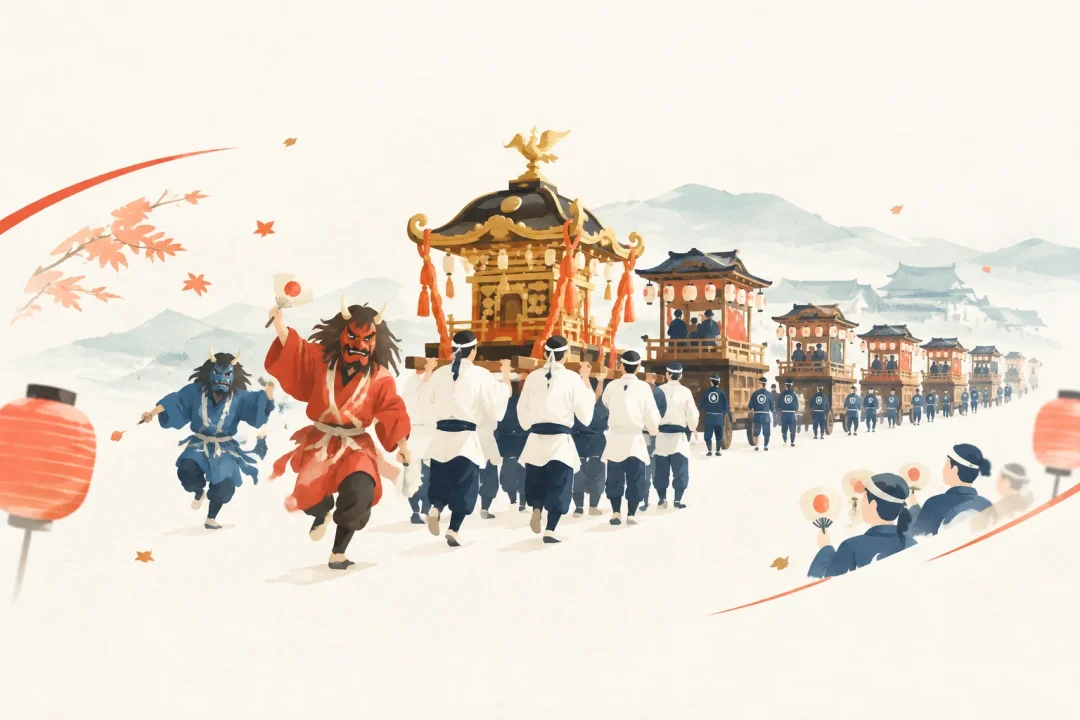
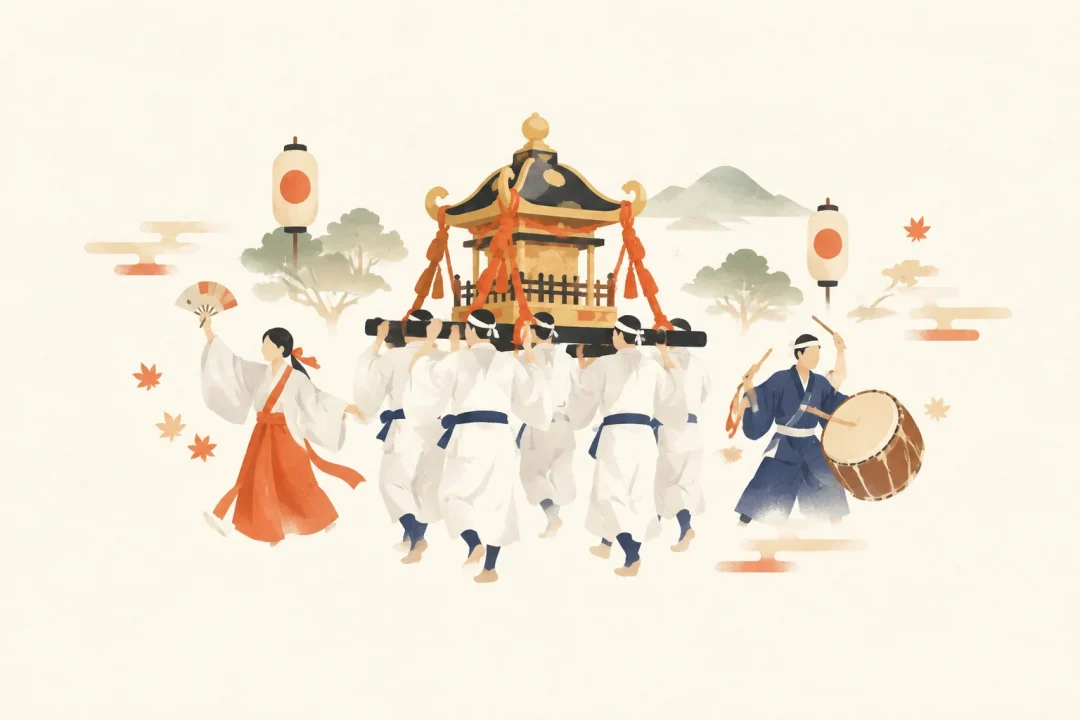
The Kasuga Wakamiya On-Matsuri is a festival held around Nara Park, where shrine rites, traditional performing arts, and a horseback procession unfold one after another. On December 17, the main day, events such as the Owatari procession and Festival are held as acts of service to the Wakamiya deity, as they have been passed down through the generations.
About Kasuga Wakamiya On-Matsuri
Photo credits and terms of use
Photographer: NNDDD File:Motonobu Nakagawa, Mayor of Nara.jpg / Wikimedia Commons / CC BY-SA 4.0 Own work by the contributorDisplay size only adjusted.May differ from the event currently featured.Photo credits and terms of use
Photographer: Falcated File:春日若宮おん祭での供物.jpg / Wikimedia Commons / CC BY-SA 4.0 Own work by the contributorDisplay size only adjusted.May differ from the event currently featured.The Kasuga Wakamiya On-Matsuri is a festival associated with Wakamiya Shrine, a subsidiary shrine of Kasuga Taisha, and is held each year around Nara Park.
Its central rites involve welcoming the Wakamiya deity from the main shrine to the Otabisho, presenting performing arts and martial displays, and then returning the deity to the main shrine.
, , sarugaku, , horse racing, and are brought together to create a festival setting in which shrine rites and performing arts are inseparable.
Source: 春日若宮おん祭 - Wikipedia
Festival highlights
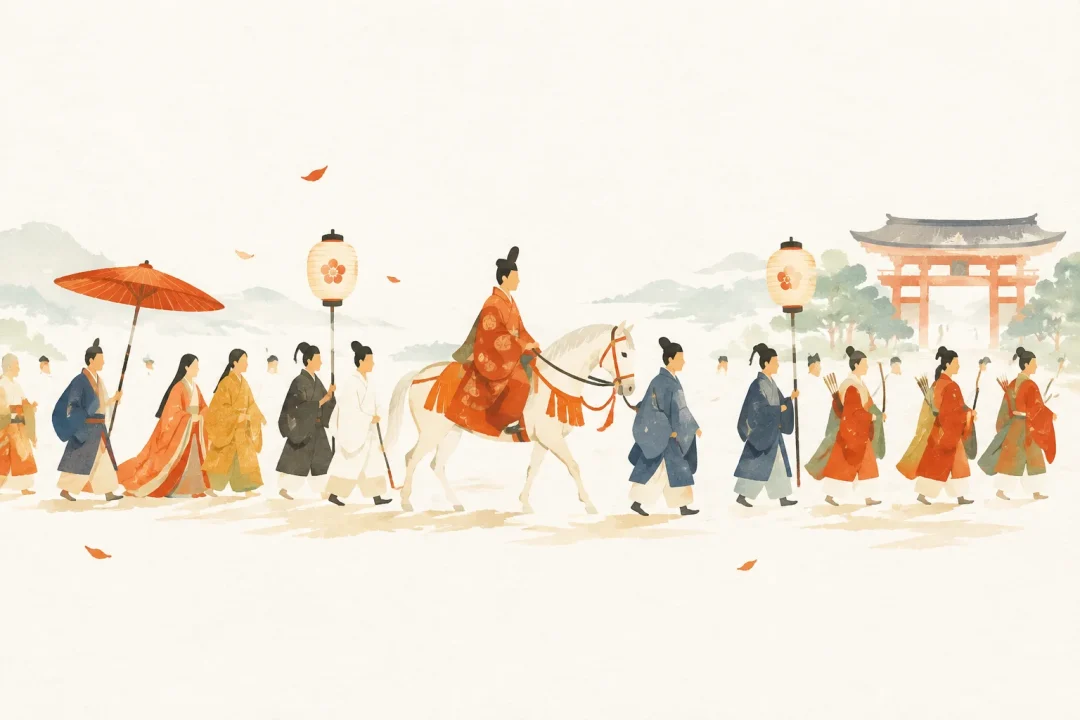
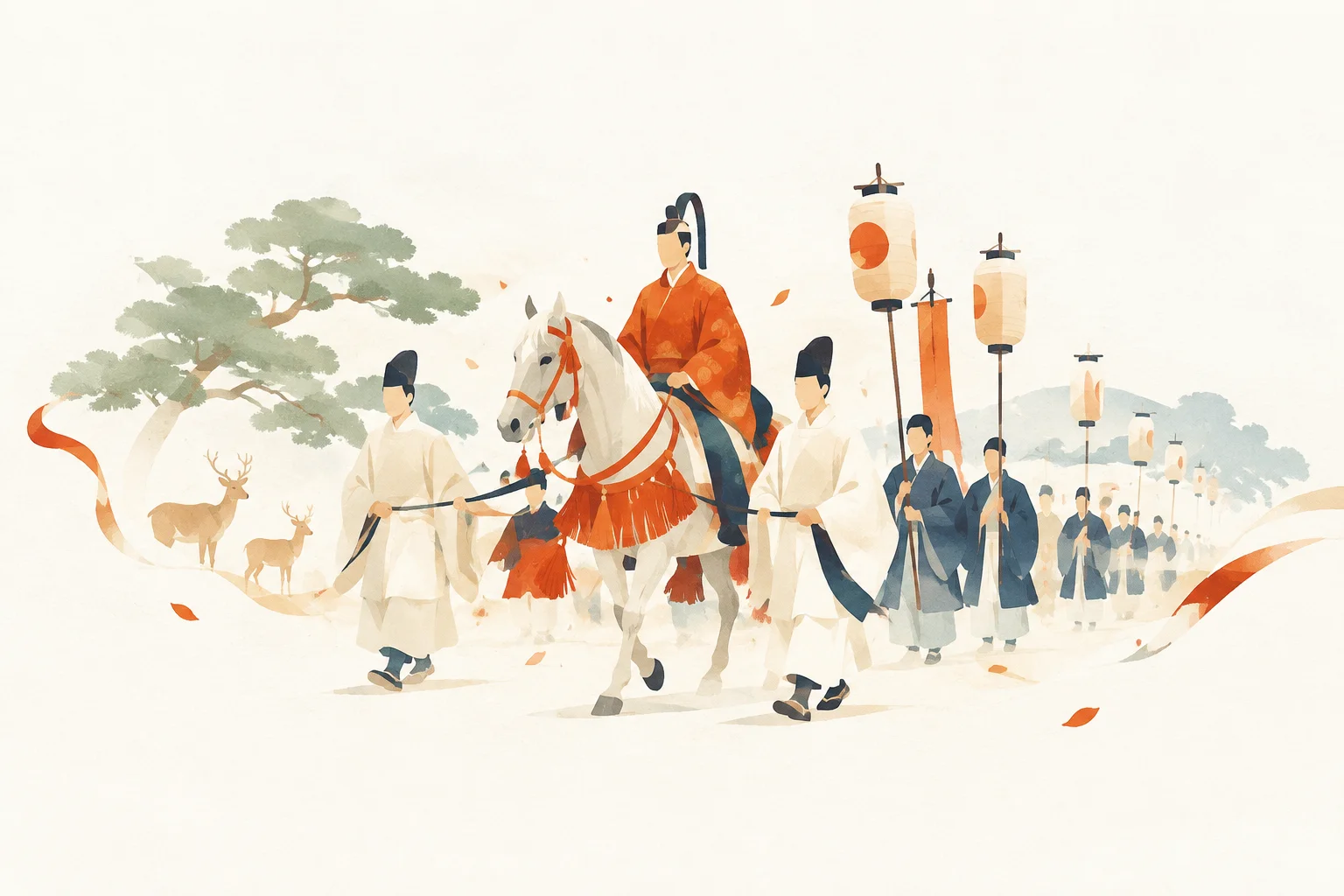
One of the highlights is the Owatari procession, featuring child attendants on horseback, warriors, and performers.
The procession travels from in front of the Nara Prefectural Government Office along Sanjo-dori to the Otabisho. In front of the Yogo-no-Matsu pine, the seotoko, sarugaku, and dengaku performers present dances.
At the Otabisho Festival, kagura, azuma-asobi, dengaku, seotoko, wa-mai, bugaku, and other performances are dedicated to the deity. A large dadaiko drum is placed in front of the grass-covered stage.
Source: 御渡り式 - 春日若宮おん祭 | 国指定重要無形民俗文化財
A spectacular festival of shrine rites and performing arts handed down through the ancient capital of Nara
What to expect
The festival progresses toward its main shrine rites on the 17th, following the Ooshujo-mode and Oyu-date on the 15th, and the Yoimiyamairi and Yoimiya Festival on the 16th.
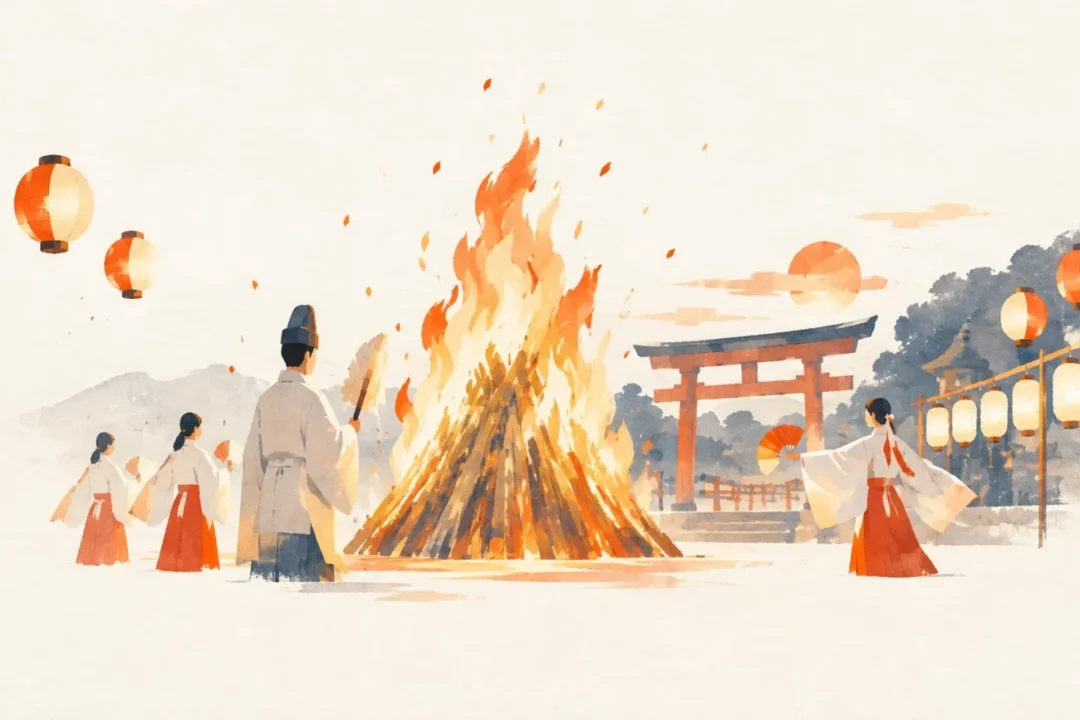
On the 17th, the Senko-no-Gi rite takes place late at night, followed by the Akatsuki Festival in the morning, the Owatari procession at noon, horse racing, child archery on horseback, the Otabisho Festival in the afternoon, and the Kanko-no-Gi rite at night.
The festival concludes on the 18th with sumo dedicated to the deities and a post-festival Noh performance.
Source: 行事案内 - 春日若宮おん祭 | 国指定重要無形民俗文化財
How to take part
Visitors can watch the event.
Location and access
- Address
Nara City
Host municipality 奈良県奈良市
This map shows the surrounding area, not the exact venue location.
Dates and season
The festival is usually held from December 15 through the 18th, with the main events—including the procession, horse races, child-attendant yabusame, and Otabisho Festival—concentrated on December 17.
December 15 features the Oh-shukusho visit and a ceremonial hot-water ritual. On the 16th, the Yoimiya visit and Yoimiya Festival are held, and on the 18th, there are a dedication sumo tournament and post-festival Noh performance.
Source: ●奈良のイベント・行事 / 奈良県
Accommodation and hotels PR
Showing nearby accommodation.
Prices and availability are current at the time of retrieval. For multi-night stays, only the first night’s price is shown. Confirm the final price and directions to the venue with the booking provider. Select your dates again when using the area search link. Search area: within 3 km of Central Nara Prefecture / Nara City (the search is not centered on the festival venue)
Tips for your visit
The Senko-no-Gi and Kanko-no-Gi rites are held in complete darkness. The use of lighting equipment and flashlights, as well as taking photos or videos, is prohibited.
Public access to the Otabisho Festival is restricted, so please watch quietly from designated places such as the shrine approach.
At events involving horses, it is important to keep your distance and avoid startling them by shouting.
Source: Kasuga Wakamiya Onmatsuri - Official Nara Travel Guide
Nearby attractions
The festival procession travels from in front of the Nara Prefectural Government Office via Kintetsu Nara Station and Sanjo-dori to the Otabisho of Kasuga Taisha.
The Owatari procession and Otabisho Festival take place around Nara Park and along the approach to Kasuga Taisha, so the procession route and festival venue are among the local sights.
Kasuga Taisha is in Kasuganocho, Nara City, and can be visited along with the historic temples and shrines around Nara Park or as part of a stroll through the park.

中野美術館
奈良県奈良市にある美術館

依水園
奈良県奈良市にある日本庭園
写真:Kimon Berlin ( Gribeco ) / CC BY-SA 4.0
Photo source ·
入江泰𠮷記念奈良市写真美術館
奈良県奈良市にある美術館

吉城園
奈良県奈良市の日本庭園

大和文華館
日本の私立美術館

奈良公園
奈良市の公園

奈良国立博物館
奈良市にある国立博物館

奈良市史料保存館
奈良県奈良市にある博物館

奈良県立美術館
奈良県奈良市にある美術館

寧楽美術館
奈良県奈良市にある博物館

平城京左京三条二坊宮跡庭園
奈良県奈良市三条大路にある庭園遺構

手向山八幡宮
奈良県奈良市にある神社
Origins and History of Kasuga Wakamiya On-Matsuri
The Kasuga Wakamiya On-Matsuri is said to have begun in 1136 under the leadership of Fujiwara no Tadamichi, the regent.
The festival rites began after Wakamiya Shrine was founded and developed during the medieval period alongside the religious and social order of Yamato, centered on Kofuku-ji Temple and Kasuga Shrine.
After experiencing interruptions and decline due to warfare and changes in institutions, the festival was revived. In 1979, its performing arts dedicated to the deities were designated an Important Intangible Folk Cultural Property of Japan.
Official information
The official event guide introduces the various shrine rites and dedicated performances from December 15 through the 18th, the route of the procession, and the program of the Otabisho Festival.
The official information for the Kasuga Wakamiya On-Matsuri can be found among the event details published by Kasuga Taisha.
Kasuga Wakamiya On-Matsuri at a Glance
The Kasuga Wakamiya On-Matsuri is one of Nara’s signature multifaceted festivals. It welcomes the Wakamiya deity, presents dedicated performing arts and martial displays, and then returns the deity to the main shrine.
A rich variety of traditions unfold in succession, including the colorful Owatari procession, dances in front of the Yogo-no-Matsu pine, kagura and bugaku at the Otabisho, horse racing, and yabusame.
At the main event on December 17, photography and lighting are restricted during some shrine rites, so please respect festival customs while watching.
Japanese Festivals.jp Editorial Team
Celebrating local culture and helping you discover a side of Japan you never knew.
Article updated: 2026/10/19
Submit information or a correction Submit photos of this festival