Discovering Mugi no Kowameshi, a tradition passed down at Kameyama Shrine
Katatsunu Shinji Mugi no Kowameshi
Festival information
EVENT INFORMATION- Location
- Kameyama Shrine
- Area
- Mie Prefecture・Kameyama City(From Tokyo: approx. 2 h 30 min–3 h · bullet train + connecting train)Prefecture-level estimate to a main station or airport, not the venue. Airport access, check-in and onward travel are extra; remote areas and islands can take much longer.
- Highlights and activities
- Last updated
- 2026/10/19
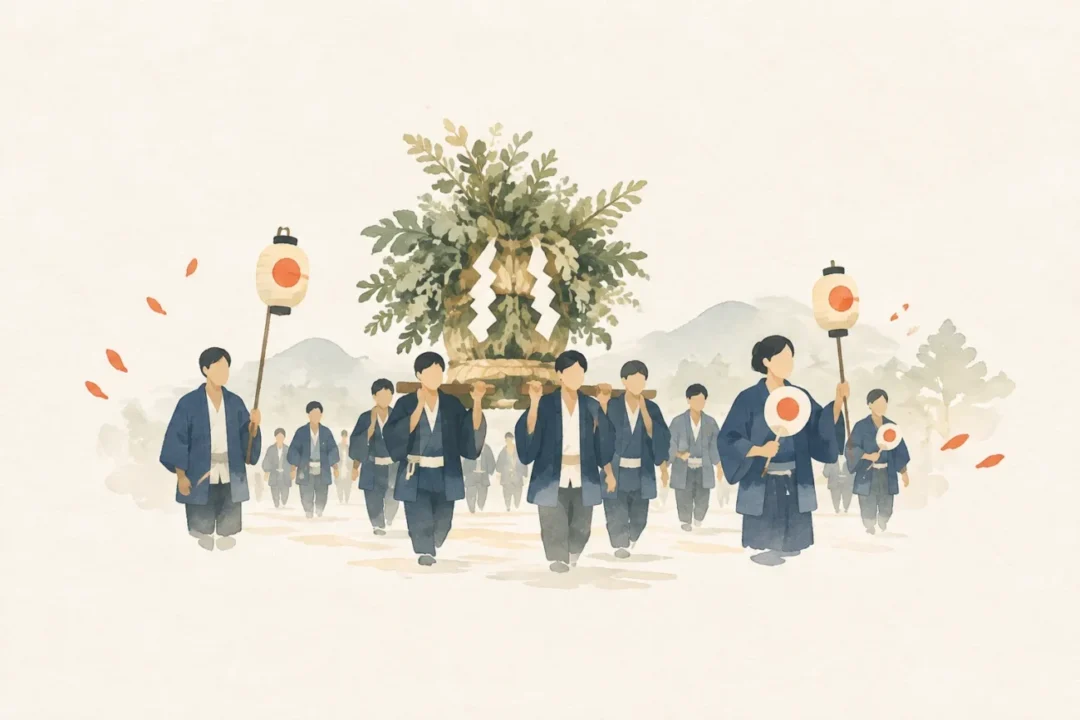
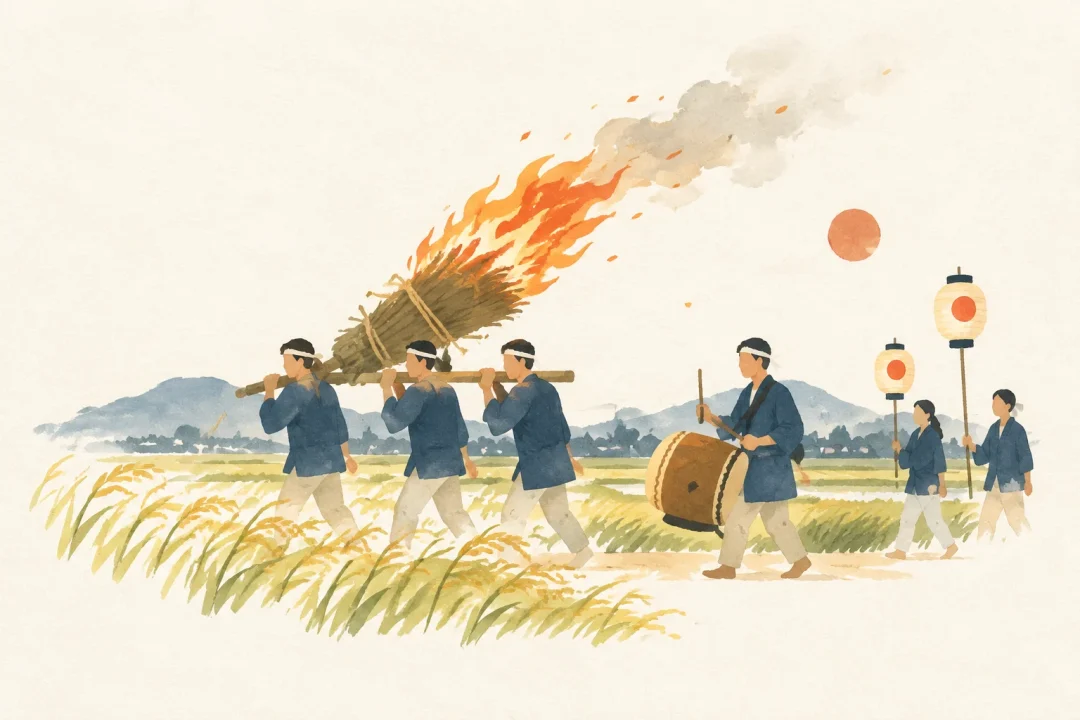
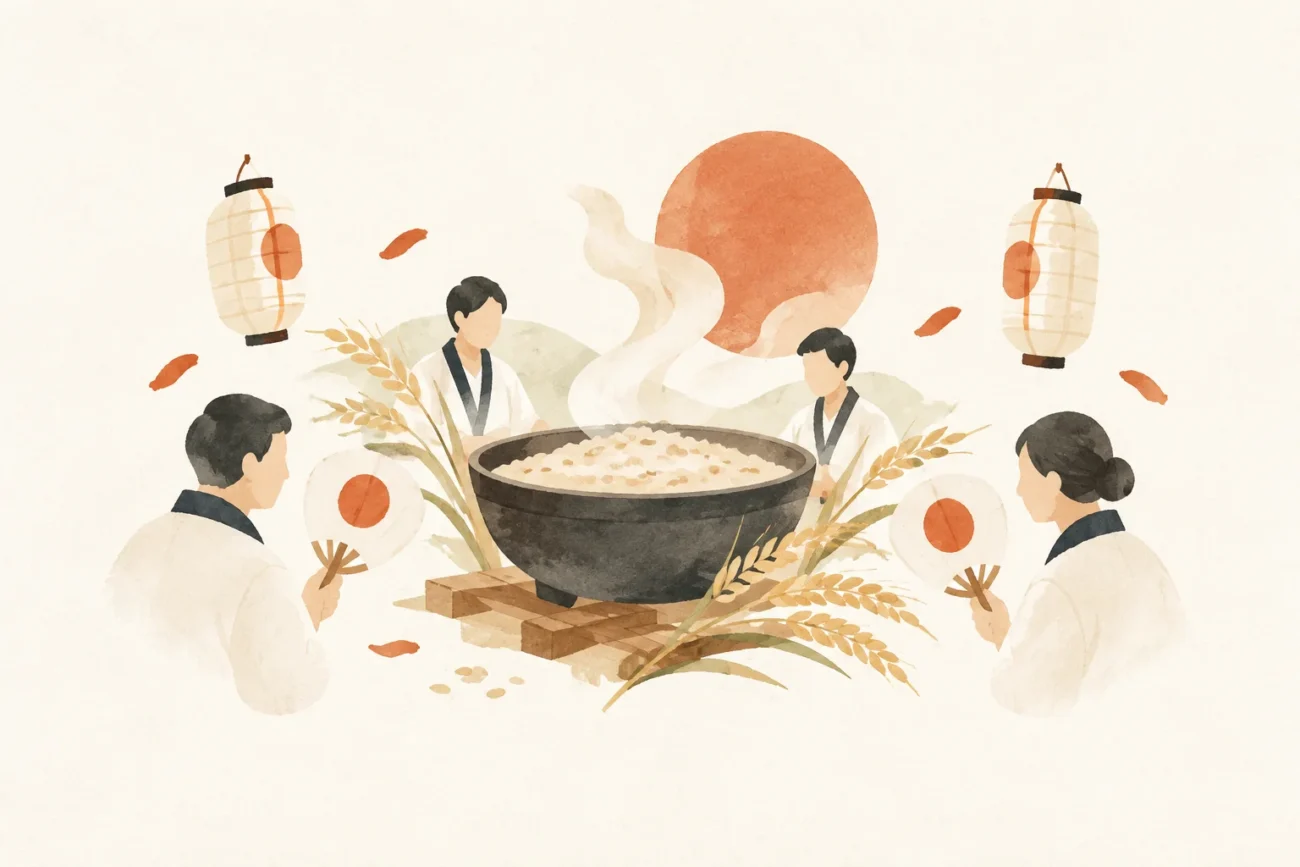
The Katatsunu Mugi no Kowameshi is a custom of cooking barley rice and offering it before the deity. It is a city-designated Intangible Folk Cultural Property passed down at Kameyama Shrine, continuing even after the shrine was merged with another shrine.
About Katatsunu Shinji Mugi no Kowameshi
The Katatsunu Shinji Mugi no Kowameshi is a local shinji in which food is offered to the deity.
Kameyama City’s historical records state that cooked barley rice and offered it before the deity.
It is a city-designated Intangible Folk Cultural Property associated with Kameyama Shrine, located on the site of Kameyama Castle.
Source: 亀山市歴史的風致維持向上計画(案)40頁
Festival highlights
This shinji focuses not only on the name but also on the specific act of cooking barley rice and offering it before the deity.
The city’s records explain how offerings at the former June 21 festival came to be passed down as part of the July 15 festival at Kameyama Shrine.
The date here is a customary date recorded in historical materials.
Discovering Mugi no Kowameshi, a tradition passed down at Kameyama Shrine
Location and access
- Venue and address
Kameyama Shrine (570-1 Nishimaru-cho, Kameyama City, Mie Prefecture)
- Train and bus
About a 12-minute walk from Kameyama Station on the JR Kansai Main Line and Kisei Main Line.
- Parking
Parking is available.
Source: 亀山神社 - 三重県亀山市 | Omairi(おまいり)
Address 570-1 Nishimaru-cho, Kameyama City, Mie Prefecture
Origins and History of Katatsunu Shinji Mugi no Kowameshi
According to city records, in the mid-Meiji period, Shibagaki Shrine stood on a site that is now within Kameyama Station, and the surrounding area was called Katatsunu no Mori.
The shrine was later merged into Gongen Shrine, which in turn was merged into Kameyama Shrine in 1908.
Records indicate that the shinji of offering barley rice continued even as the shrines changed.
Official information
参考資料:亀山市歴史的風致維持向上計画(案)40頁
Katatsunu Shinji Mugi no Kowameshi at a Glance
The Katatsunu Shinji Mugi no Kowameshi is a custom with a history linking Shibagaki Shrine, Gongen Shrine, and Kameyama Shrine.
The offering of barley rice to the deity preserves the memory of a festival maintained by the local community.
Accommodation and hotels PR
Showing nearby accommodation.
Prices and availability are current at the time of retrieval. For multi-night stays, only the first night’s price is shown. Confirm the final price and directions to the venue with the booking provider. Select your dates again when using the area search link. Search area: within 3 km of Central Mie Prefecture / Kameyama City (the search is not centered on the festival venue)
Japanese Festivals.jp Editorial Team
Celebrating local culture and helping you discover a side of Japan you never knew.
Article updated: 2026/10/19
Submit information or a correction Submit photos of this festival