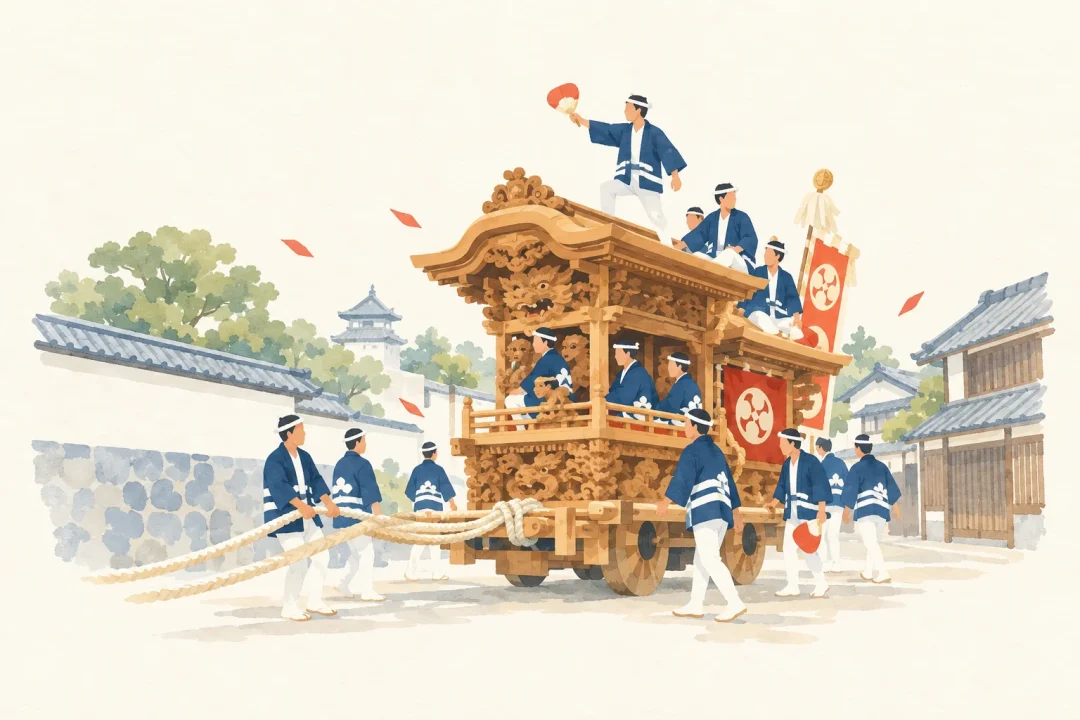
Tracing a form of prayer passed down through 4 sōban gongs and distinct roles
The sōban nenbutsu of Hakozaki Sōfukuji Temple
Festival information
EVENT INFORMATION- Location
- Sōfukuji Temple
- Area
- Osaka Prefecture・Hannan City(From Tokyo: approx. 2 h 30 min–3 h · bullet train)Prefecture-level estimate to a main station or airport, not the venue. Airport access, check-in and onward travel are extra; remote areas and islands can take much longer.
- Highlights and activities
- Last updated
- 2026/10/25
The sōban nenbutsu passed down at Sōfukuji Temple in Hakozaki, Hannan City, is an intangible folk cultural property sustained through 4 sōban gongs of different sizes and the distinct roles of the participants. Changes in the tradition bearers and instruments reveal how this local culture has been passed down over time.
About The sōban nenbutsu of Hakozaki Sōfukuji Temple
The sōban nenbutsu of Hakozaki Sōfukuji Temple is an intangible folk cultural property passed down at Sōfukuji Temple in Hakozaki, Hannan City.
The nenbutsu and sōban traditions passed down at Sōfukuji Temple are recognized as part of the local culture.
Hannan City designated it an intangible folk cultural property on January 16, 2009.
Source: 箱作 宗福寺の双盤念仏/阪南市
Festival highlights
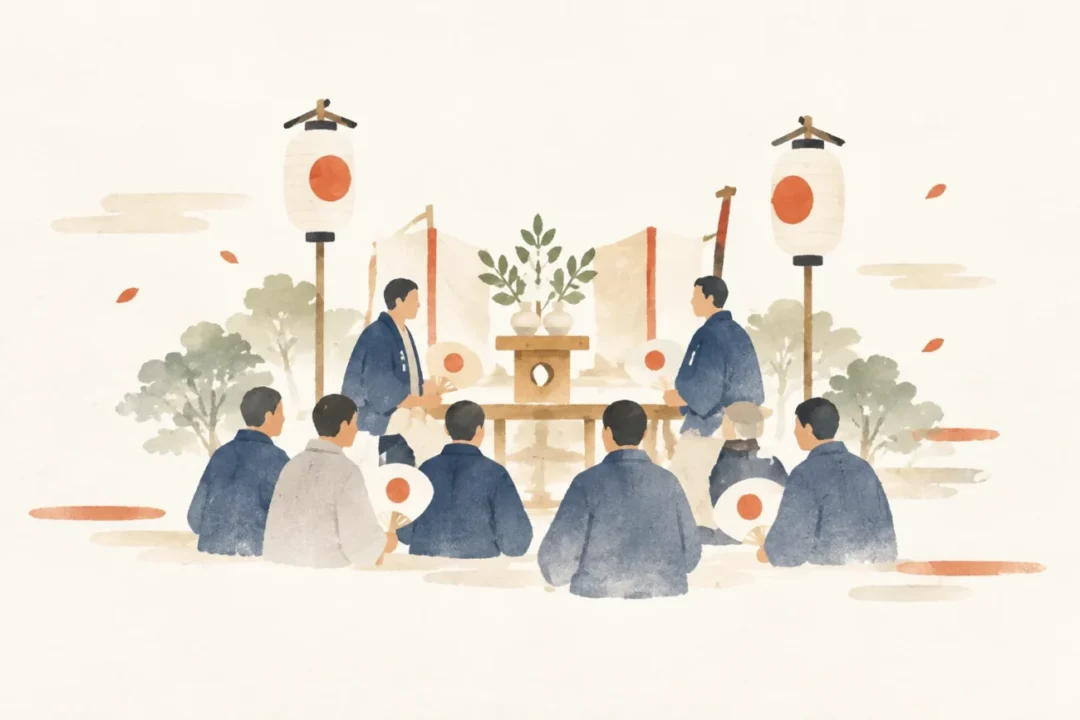
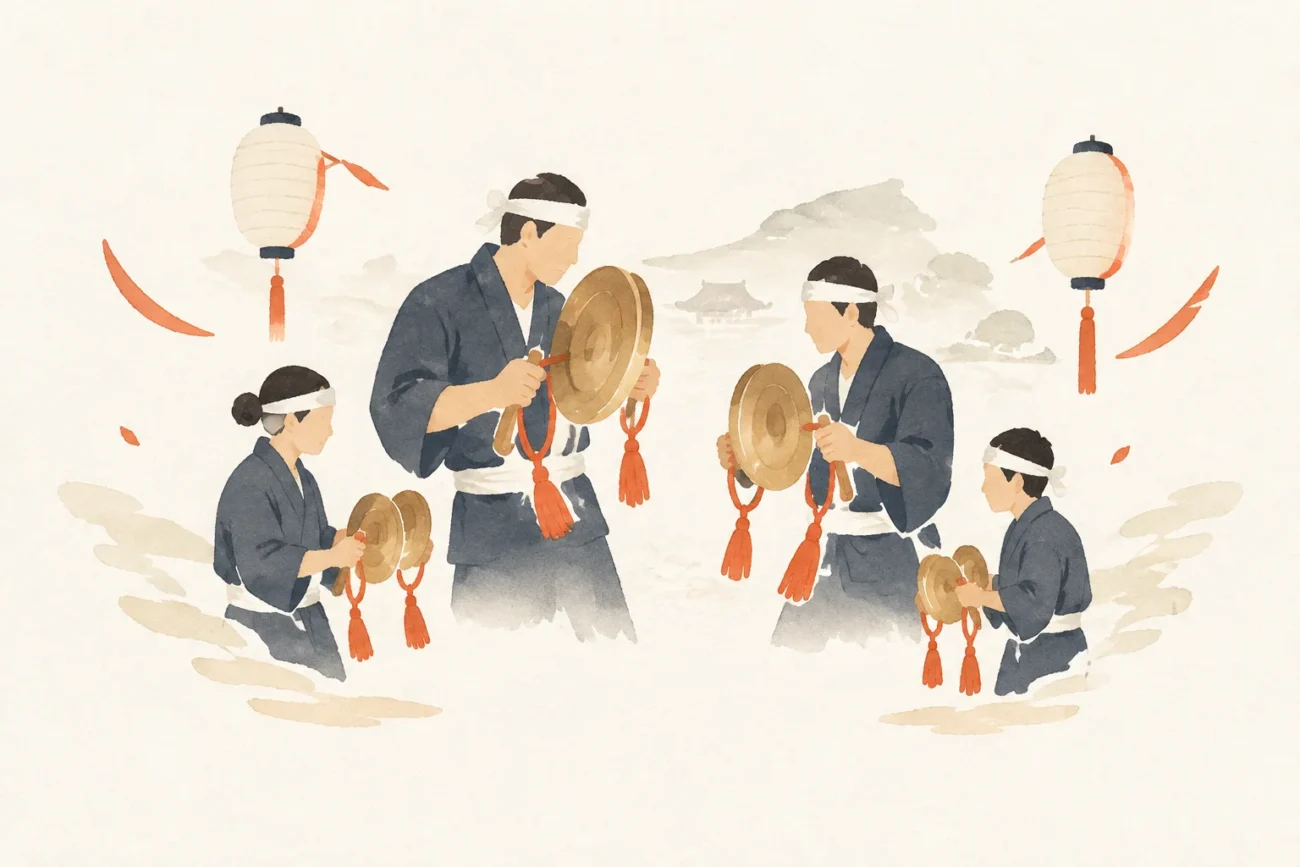
A key feature is the form of the tradition, which uses 4 sōban gongs of different sizes.
The person who plays the main gong is called the “parent,” while all 3 people who play the elder and younger gongs are called “children.”
Beyond the different sizes of the sōban, their assigned players and names show how the community has preserved this division of roles.
Tracing a form of prayer passed down through 4 sōban gongs and distinct roles
What to expect
The tradition uses 4 sōban gongs of different sizes, with roles divided between the player of the main gong and 3 players of the elder and younger gongs.
The former are called “parent” and the latter “children,” with roles defined by which gong each person plays.
After a sōban cast in Showa 33 cracked, a new one was made in recent years.
Location and access
- Venue and address
Sōfukuji Temple, Hakozaki, Hannan City
Address Hakozaki, Hannan City
Origins and History of The sōban nenbutsu of Hakozaki Sōfukuji Temple
The exact date when the group was formed is not known, but until around Showa 49, the tradition was passed down by 2 women born in the mid-Meiji period or earlier and 1 man.
The number of group members gradually increased thereafter and has continued to the present day.
The Osaka Prefecture Cultural Properties List includes the sōban nenbutsu of Hakozaki Sōfukuji Temple as a folk cultural property dating back to the Edo period, and records the selection date as January 16, 2009.
Source: 府指定等の文化財一覧 民俗文化財(無形民俗文化財(記録選択))/大阪府(おおさかふ)ホームページ [Osaka Prefectural Government]
Official information
The Hannan City official page, “Sōban Nenbutsu at Hakozaki Sōfukuji Temple,” provides information on the name, location, designation as an intangible folk cultural property, and an overview of the tradition bearers and sōban.
The sōban nenbutsu of Hakozaki Sōfukuji Temple at a Glance
The sōban nenbutsu of Hakozaki Sōfukuji Temple is an intangible folk cultural property passed down at Sōfukuji Temple in Hakozaki, Hannan City.
It uses 4 sōban gongs of different sizes, with roles divided between 1 “parent,” who plays the main gong, and 3 “children,” who play the elder and younger gongs.
The history of its transmission in the community can be traced through the bearers up to around Showa 49, the subsequent growth in the number of group members, and the replacement of the sōban.
Accommodation and hotels PR
Showing nearby accommodation.
Prices and availability are current at the time of retrieval. For multi-night stays, only the first night’s price is shown. Confirm the final price and directions to the venue with the booking provider. Select your dates again when using the area search link. Search area: within 3 km of Central Osaka Prefecture / Hannan City (the search is not centered on the festival venue)
Japanese Festivals.jp Editorial Team
Celebrating local culture and helping you discover a side of Japan you never knew.
Article updated: 2026/10/25
Submit information or a correction Submit photos of this festival