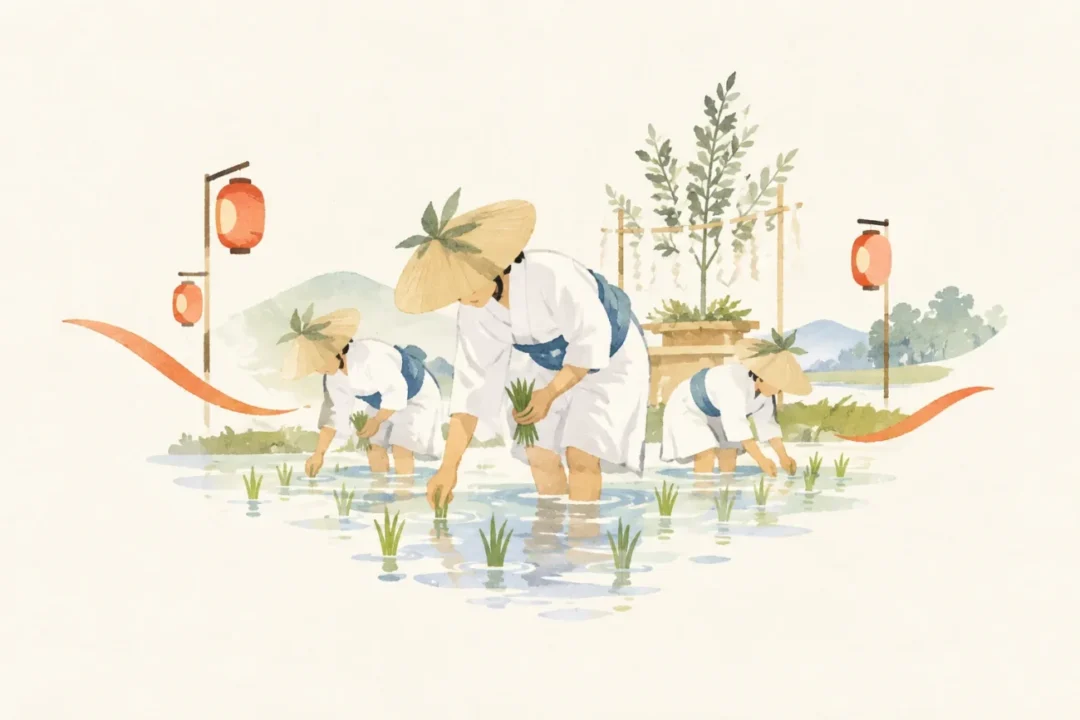
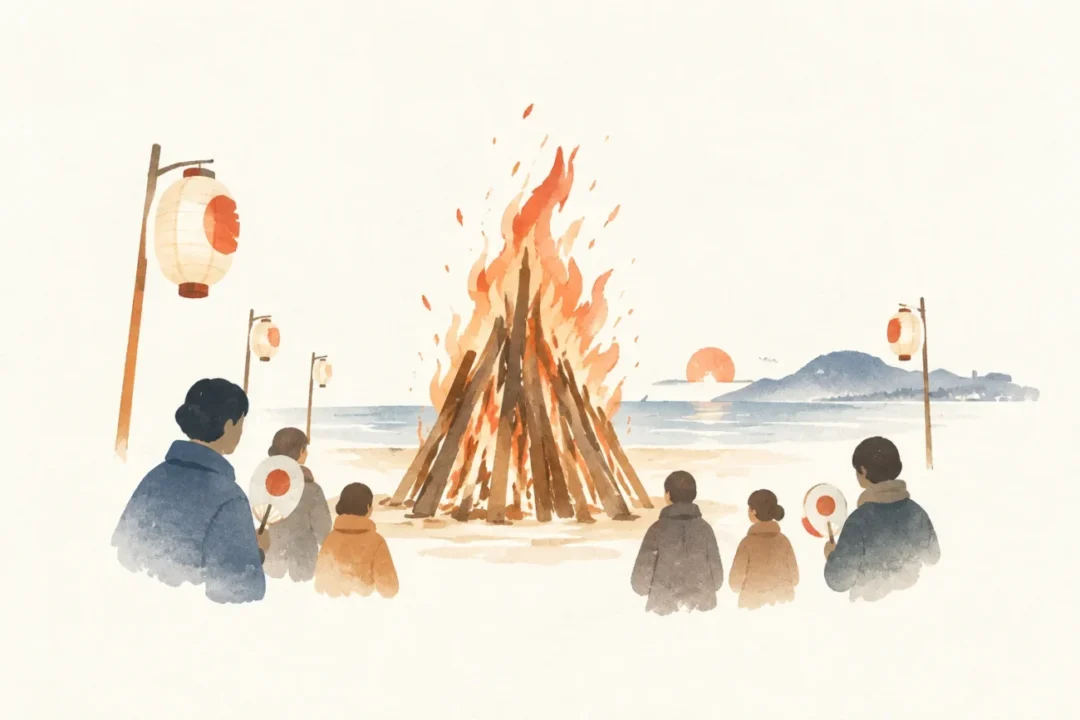
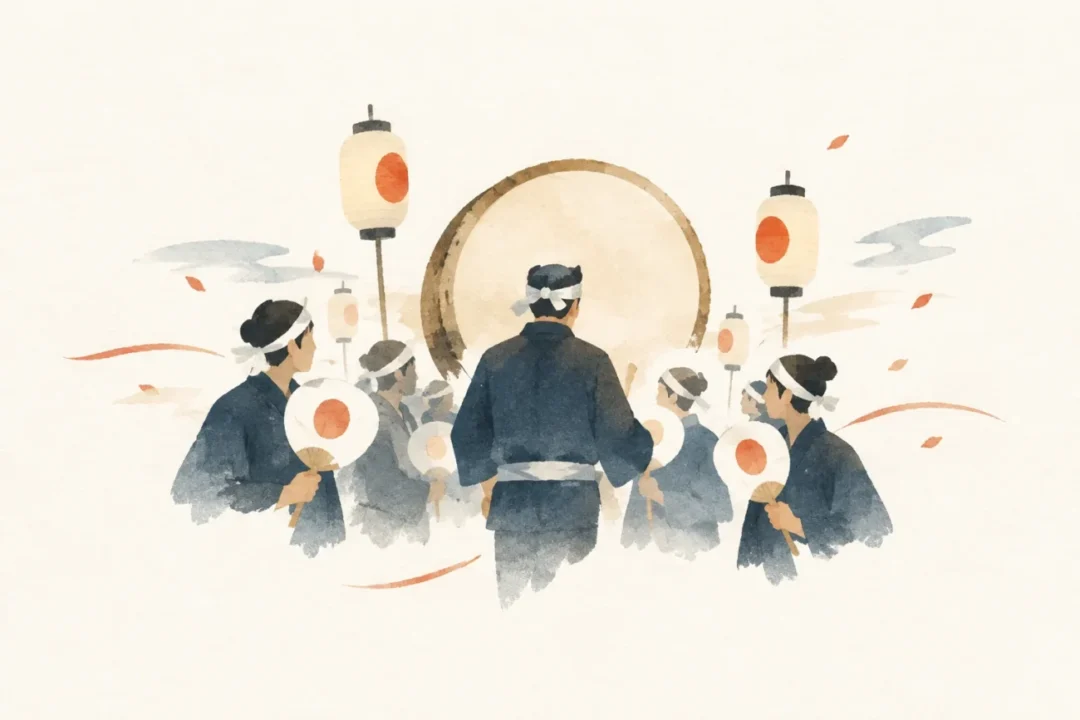
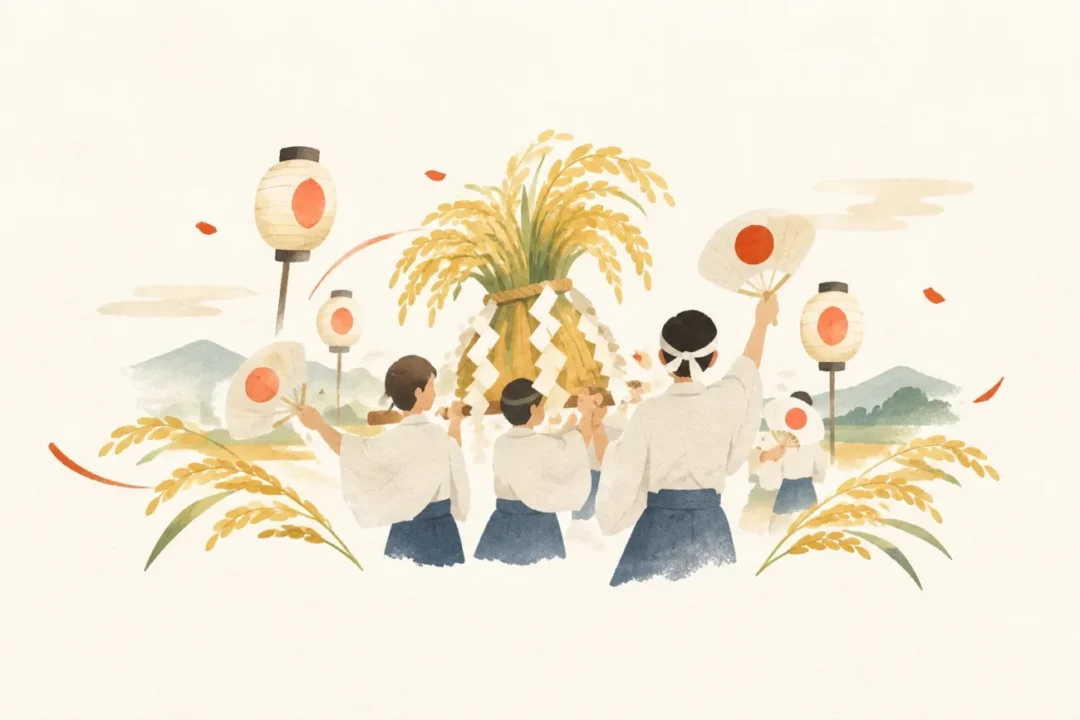
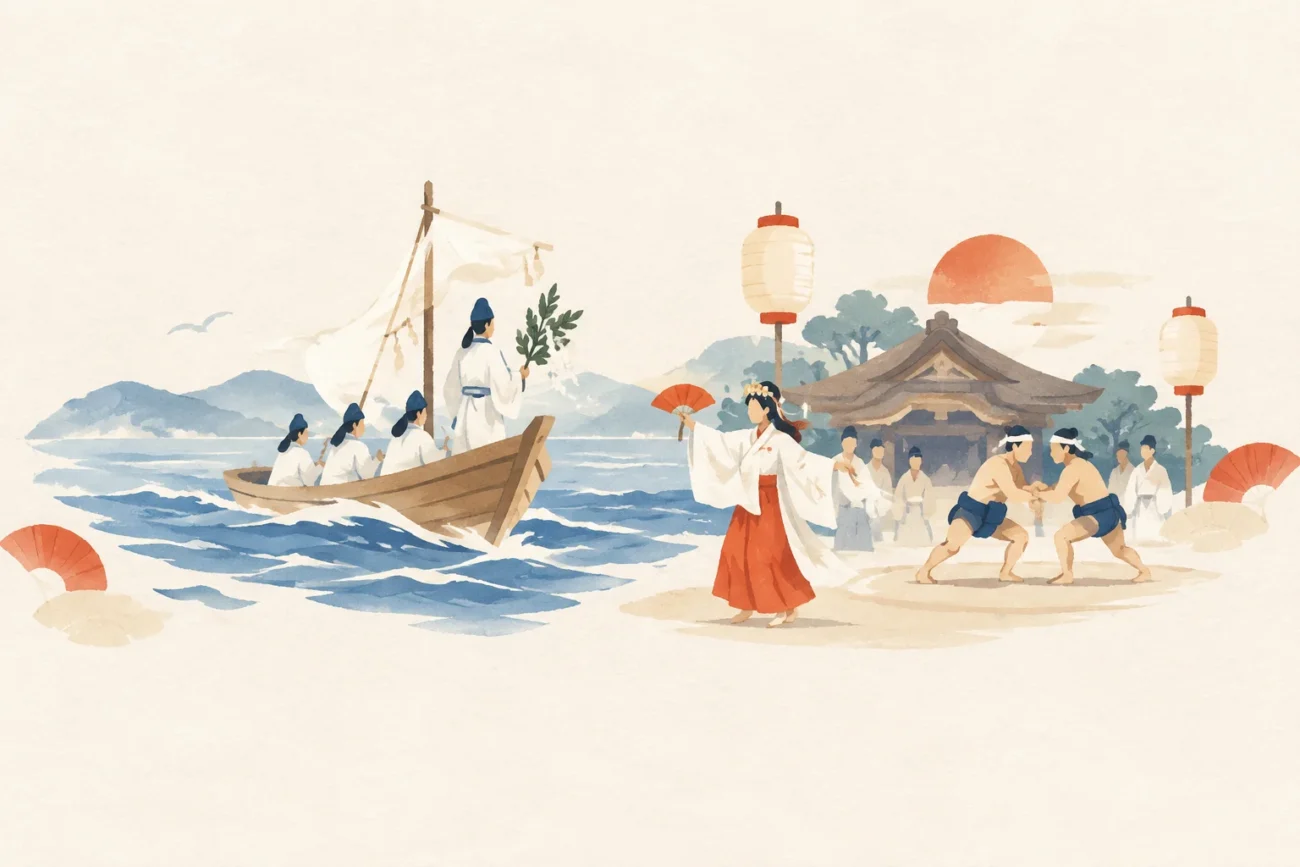
A Mihoseki ritual that carries the myth of the transfer of the land between sea and shrine
Aoshigaki Ritual
The 2026 edition of Aoshigaki Ritual has ended.
Festival information
EVENT INFORMATION- Dates
- 2026/04/07Ended
- Season / frequency
- Every year on April 7 / Every year
- Location
- Miho Shrine
- Area
- Shimane Prefecture・Matsue City(From Tokyo: approx. 1 h 20 min–1 h 40 min · flight time only)Prefecture-level estimate to a main station or airport, not the venue. Airport access, check-in and onward travel are extra; remote areas and islands can take much longer.
- Participation fee
- Free
- Last updated
- 2026/11/14
The Aoshigaki Ritual at Miho Shrine is a ceremony based on the myth of the transfer of the land and passed down by the ’s ritual organization. The ceremony of traveling out to Miho Bay aboard the sacred boats and the dances and sumo after returning to the shrine take place as one continuous sequence.
About Aoshigaki Ritual
The Aoshigaki Ritual is a ceremony associated with Kotoshironushi-no-Kami, held every year on April 7 at Miho Shrine in Mihoseki-cho, Matsue.
The festival is understood as a ritualization of the myth of the transfer of the land, renewing the sacred spirit each year.
The event is supported by a distinctive ritual organization of the ujiko, while officeholders such as the tōnin and Tōya undertake repeated purification in preparation for the ceremony.
Festival highlights
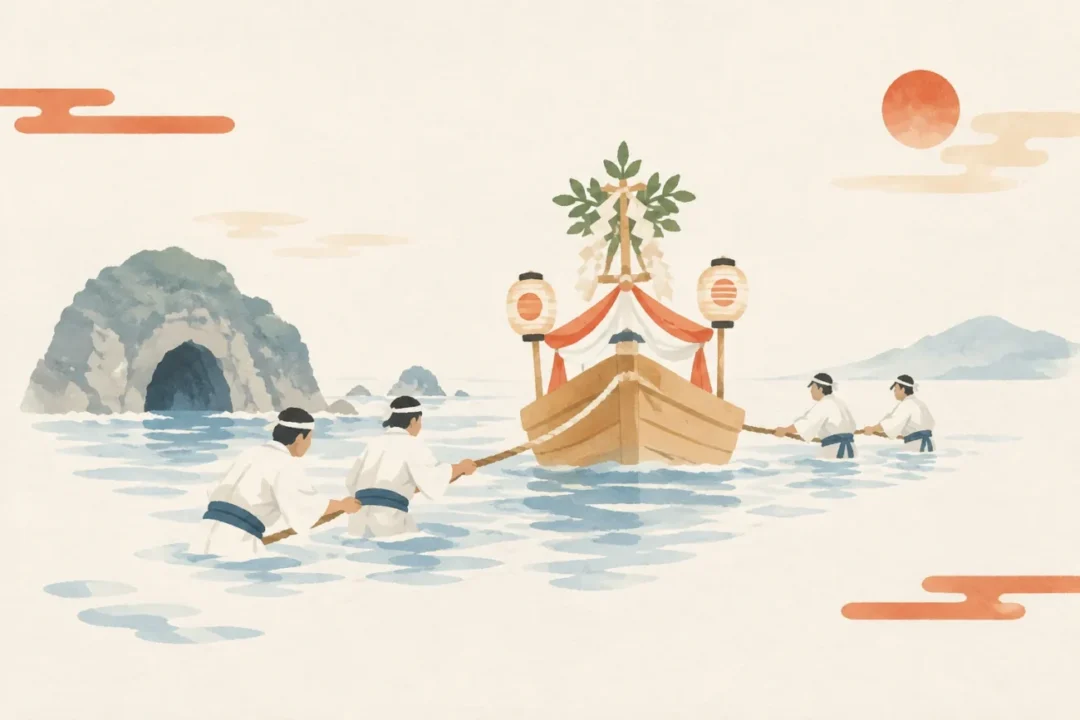
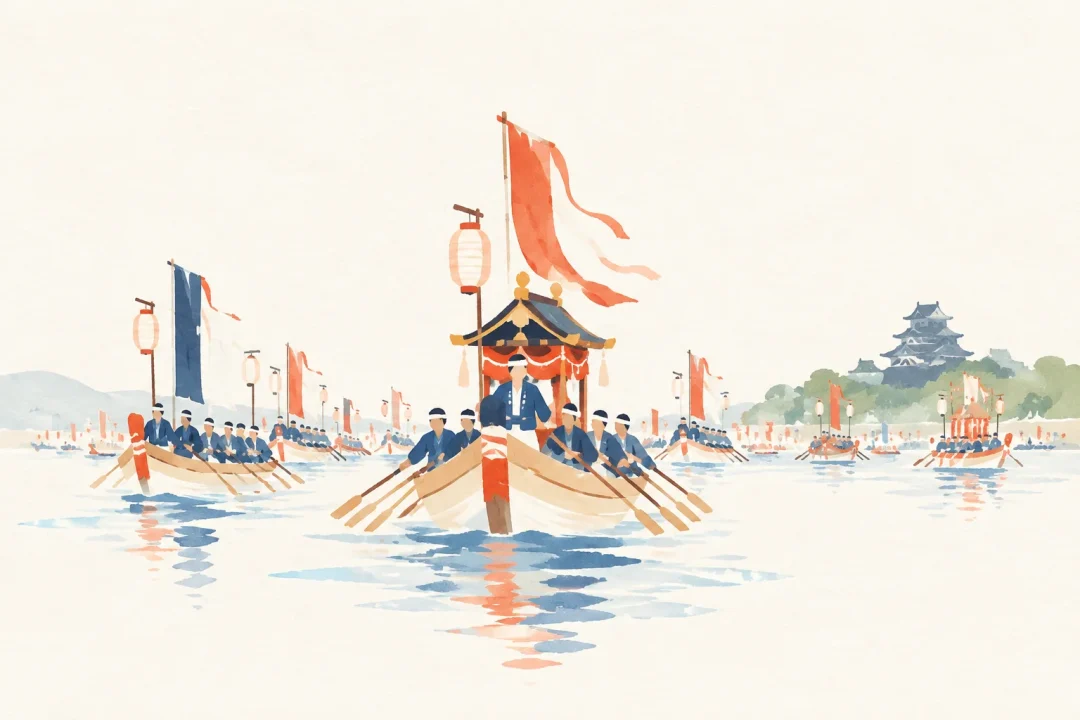
A highlight is the moment when the procession boards two sacred boats and rows out to the center of Miho Bay.
Aboard the boats, the “O-fune no Gi” ceremony is performed, in which the divinely possessed Tōya receives the sacred spirit, along with performed by shrine maidens.
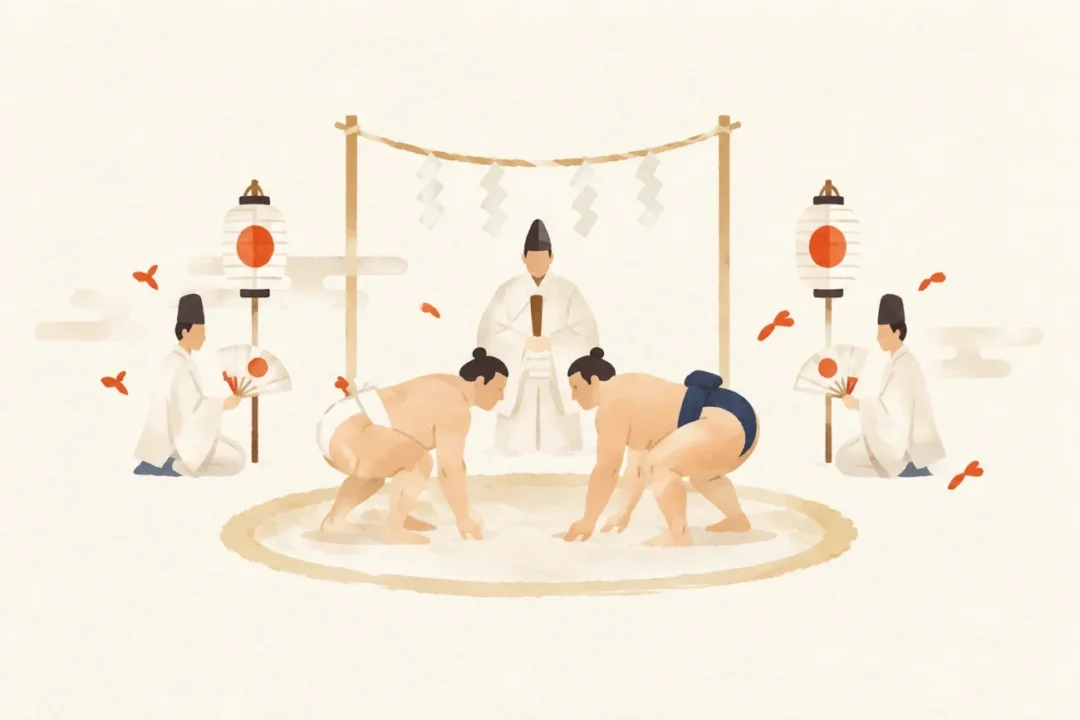
After landing, the procession returns to the shrine, where distinct ceremonies at sea and at the shrine continue, including the Ofuneban dance and sumo wrestling by Tōichi.
A Mihoseki ritual that carries the myth of the transfer of the land between sea and shrine
What to expect
The events begin when the two Tōya retreat to the shrine, followed by a series of rituals and preparations leading up to the festival day.
On the day, after ceremonies at the shrine buildings, a purification rite is held at the hall, and the procession boards the sacred boats to take part in ceremonies at sea.
After landing, the procession returns to the shrine, where offerings are made, a new Tōya is chosen, and dances and sumo are performed before the event concludes.
How to take part
参加費:無料
Location and access
- Venue and address
Miho Shrine, 608 Mihoseki, Mihoseki-cho, Matsue, Shimane
- Train and bus
10 minutes by car from JR Sakaiminato Station
- By car
30 km via Route 431 from the Yonago IC on the Yonago Expressway, about 45 minutes
- Parking
Free parking near the shrine in the Mihoseki area; 40 spaces
Address 608 Mihoseki, Mihoseki-cho, Matsue, Shimane
Dates and season
2026 Event Information (the listed dates have passed)
The event was scheduled to take place on April 7 in 2026.
Rituals also take place around the festival day. As usual, events continue from the two Tōya’s retreat at the shrine on March 31 through April 12.
Accommodation and hotels PR
Showing nearby accommodation.
Prices and availability are current at the time of retrieval. For multi-night stays, only the first night’s price is shown. Confirm the final price and directions to the venue with the booking provider. Select your dates again when using the area search link. Search area: within 3 km of Central Shimane Prefecture / Matsue City (the search is not centered on the festival venue)
Nearby attractions
Mihonoseki is a port town at the eastern tip of the Shimane Peninsula that flourished as a port of call for Kitamaebune trading ships.
Many historic buildings, including shipping agents’ offices, remain in the area, and around Miho Shrine you can experience the historic landscape of the port town.

いずもまがたまの里 伝承館
島根県の博物館・美術館のスポットです。
写真:江戸村のとくぞう (Edomura no Tokuzo) / CC BY-SA 4.0
Photo source ·
メテオプラザ
島根県の博物館・美術館のスポットです。

中村元記念館
島根県の博物館・美術館のスポットです。

Sada Shrine
島根県松江市にある神社

Yaegaki Shrine
松江市にある神社

小泉八雲旧居
島根県松江市にある文学館

小泉八雲記念館
島根県松江市にある文学館

島根大学旧奥谷宿舎
島根県松江市にある洋館

島根県立八雲立つ風土記の丘
島根県の風土記の丘。

島根県立美術館
島根県松江市にある美術館

松江フォーゲルパーク
島根県松江市にあるテーマーパーク

松江歴史館
島根県松江市にある博物館
Origins and History of Aoshigaki Ritual
The ritual is linked to the story that, after agreeing to cede the land, Kotoshironushi-no-Kami transformed his boat into the sacred domain of Aoshigaki and withdrew inside it.
As a festival that ritualizes this myth, it is said to renew the sacred spirit once a year.
In recent years, depopulation, a declining and aging population, and the effects of COVID-19 have made it difficult to maintain the ritual organization. Matsue City has been conducting a research project from fiscal year Reiwa 6 through fiscal year Reiwa 8.
Official information
The Agency for Cultural Affairs’ magazine Bunkaru introduces the origins of the Aoshigaki Ritual, its ritual organization, and the sequence of events, including the O-fune no Gi ceremony and the procession.
Matsue City’s Cultural Properties Division is conducting the “Aoshigaki Ritual and Related Research Project” from fiscal year Reiwa 6 through fiscal year Reiwa 8 to examine the ritual organization, the current state of the ceremonies, and historical records.
Aoshigaki Ritual at a Glance
The Aoshigaki Ritual is a festival held every year on April 7 at Miho Shrine, ritualizing the myth of the transfer of the land.
Ujiko officeholders purify themselves and make preparations; on the day, they join the procession, board the sacred boats, and perform the O-fune no Gi ceremony and dengaku in Miho Bay.
Rituals continue after the return to the shrine, including offerings, dances, and sumo, bringing the activities at sea and at the shrine together in one sequence.
Sources and references
Japanese Festivals.jp Editorial Team
Celebrating local culture and helping you discover a side of Japan you never knew.
Article updated: 2026/11/14