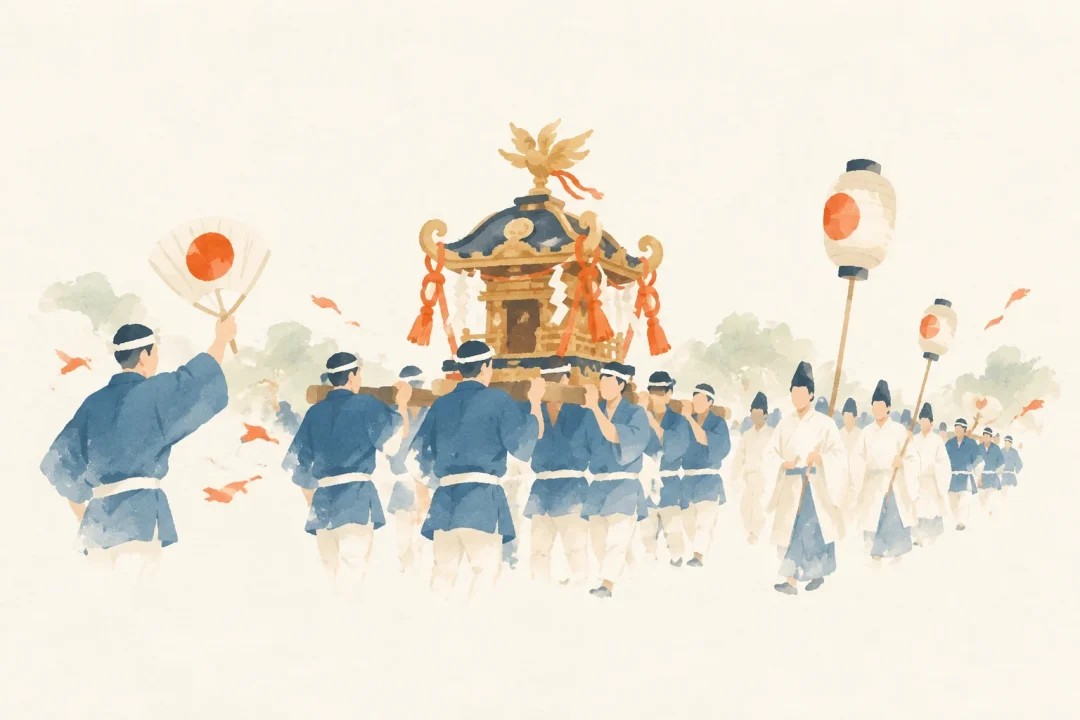
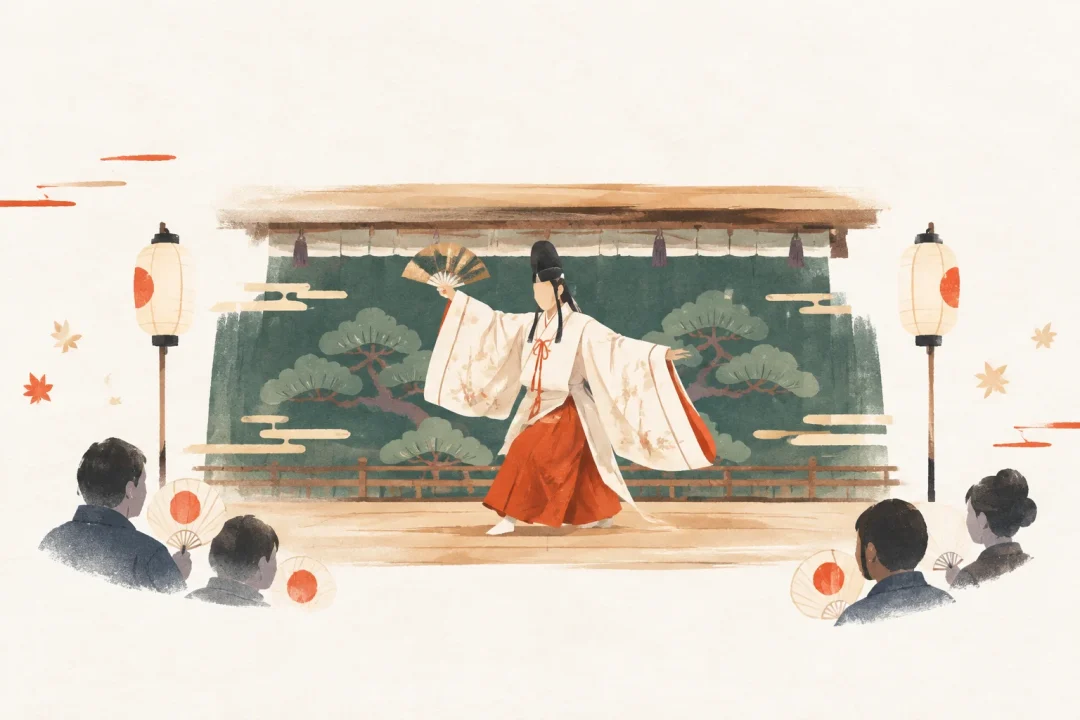
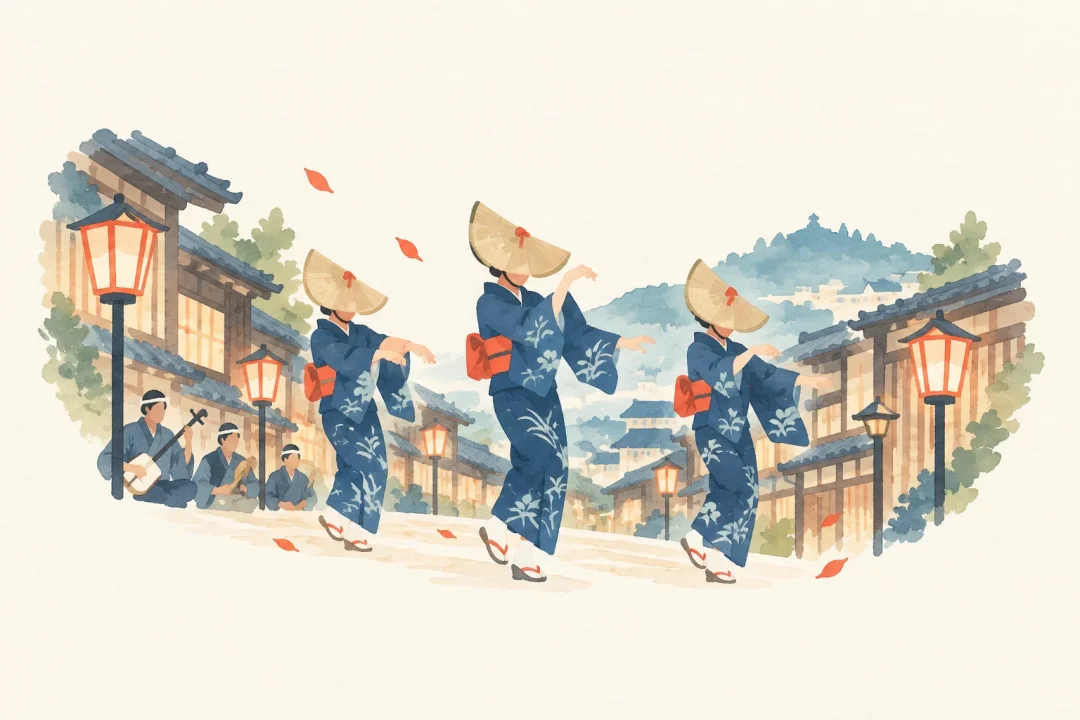
The sound of festival music across Akiu’s countryside, and a vibrant rice-planting dance praying for a bountiful harvest
Akiu Taue Odori
Festival information
EVENT INFORMATION- Season / frequency
- Open to the public in each district from April to October / Held regularly in conjunction with festivals in each district
- Location
- The grounds of Shinmeisha Shrine, the grounds of Akiu Otaki Fudoson, the grounds of Senmyoji Temple, and the main hall of Kosenji Temple, among other venues
- Area
- Miyagi Prefecture・Sendai City(From Tokyo: approx. 1 h 30 min–2 h · bullet train)Prefecture-level estimate to a main station or airport, not the venue. Airport access, check-in and onward travel are extra; remote areas and islands can take much longer.
- Highlights and activities
- Wishes behind the festival
- Participation / viewing
- Spectators welcome
- Last updated
- 2026/10/19
You can watch Taue Odori, passed down in the Baba, Nagabukuro, and Yumoto districts of Sendai’s Akiu area, at festivals in each district. The saotome’s vibrant dances, accompanied by singing, flute, and drums, convey prayers for a bountiful harvest.
About Akiu Taue Odori
Akiu Taue Odori is a collective name for Taue Odori traditions passed down in the Baba, Nagabukuro, and Yumoto districts of the Akiu area in Sendai, Miyagi Prefecture.
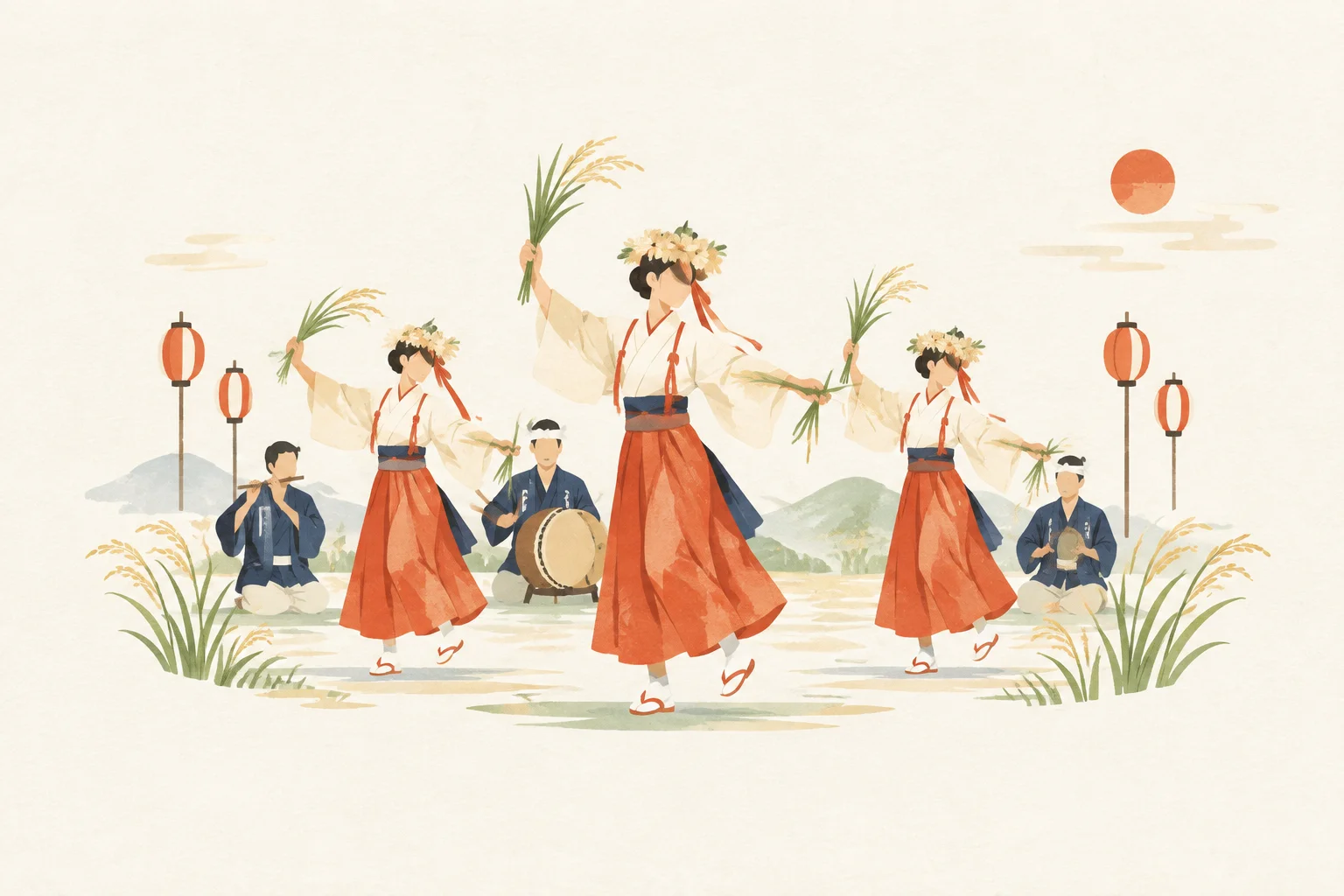
Saotome dancers dressed in colorful flower hats and long-sleeved kimono perform dances that incorporate rice-planting gestures.
This folk performing art has been passed down as an expression of prayers for a bountiful harvest, accompanied by singing, flute, and drums.
Source: 東北歴史博物館 宮城の無形文化遺産
Festival highlights
Highlights include the saotome dancers, resplendent in colorful costumes, dancing in unison, and movements inspired by rice planting.
The dance is preceded by Yajuro’s opening address and bell-ringing, with singing, flute, and drums accompanying the performance.
The michiyu processional music and the improvised exchanges with spectators—compliments and replies—also evoke scenes from performances in the past.
The sound of festival music across Akiu’s countryside, and a vibrant rice-planting dance praying for a bountiful harvest
What to expect
When performances are open to the public, preservation societies perform Taue Odori in conjunction with festivals in each district.
In 2026, Nagabukuro Taue Odori is scheduled at Shinmeisha Shrine and Kosenji Temple, Baba Taue Odori at Akiu Otaki Fudoson, and Yumoto Taue Odori at Senmyoji Temple.
The program unfolds with an opening address, bell-ringing, and dances by the saotome, accompanied by singing, flute, and drums.
Source: 民俗芸能の現地公開について(令和8年度)|仙台市
How to take part
Members of the public can watch the performances when they are open to visitors.
No information is provided about how to take part as a dancer or whether visitors can join in on the day.
Please watch quietly from designated viewing areas and follow on-site instructions so as not to disrupt the performances dedicated to the deities.
Location and access
- Venue and address
In 2026, performances are scheduled at the grounds of Shinmeisha Shrine (Nagabukuro, Akiu-machi, Taihaku-ku), the grounds of Akiu Otaki Fudoson (Baba, Akiu-machi, Taihaku-ku), the grounds of Senmyoji Temple (Yumoto, Akiu-machi, Taihaku-ku), and the main hall of Kosenji Temple (Nagabukuro, Akiu-machi, Taihaku-ku), among other venues.
- Train and bus
To the Yumoto venue, it takes 30–60 minutes by Miyagi Kotsu bus from Nagamachi Station, or 20–40 minutes by Sendai City Bus from JR Ayashi Station.
Buses are infrequent, so be sure to check the timetable.
- By car
To the Yumoto venue, it takes 30–40 minutes from Sendai-Miyagi IC on the Tohoku Expressway.
To the Baba venue, it is approximately 22.3 km and 44 minutes from Sendai-Minami IC, or approximately 22.7 km and 37 minutes from Sendai-Miyagi IC.
- Parking
Parking is limited at the Senmyoji venue.
At the Akiu Otaki Fudoson venue, visitors can use the public Akiu Otaki Botanical Garden parking lot, which is listed as having 120 spaces and being free of charge.
Source: 秋保大滝不動尊 春大祭 | tbc東北放送
Address Nagabukuro, Baba, and Yumoto, Akiu-machi, Taihaku-ku, Sendai (multiple venues)
Dates and season
In 2026, performances will be held multiple times in conjunction with festivals in each district.
Nagabukuro Taue Odori is performed at Shinmeisha Shrine on April 19, Baba Taue Odori at Akiu Otaki Fudoson on April 29, and Yumoto Taue Odori at Senmyoji Temple on May 5.
The Nagabukuro Taue Odori is also scheduled to be performed at the main hall of Kosenji Temple on October 12. Performance times vary by venue.
Accommodation and hotels PR
Showing nearby accommodation.
Prices and availability are current at the time of retrieval. For multi-night stays, only the first night’s price is shown. Confirm the final price and directions to the venue with the booking provider. Select your dates again when using the area search link. Search area: within 3 km of Central Miyagi Prefecture / Sendai City (the search is not centered on the festival venue)
Tips for your visit
Performance times are approximate and may be changed or canceled without notice due to weather or other circumstances.
Parking may be limited at some venues, so use of public transportation is recommended whenever possible.
If traveling by bus to the Yumoto venue, buses are infrequent, so check the timetable in advance and follow the on-site viewing instructions at each venue.
Nearby attractions
二柱神社
宮城県仙台市泉区にある神社
写真:Naokijp / CC BY-SA 4.0(resized and reformatted)
Photo source ·
仙台うみの杜水族館
仙台市にある水族館
写真:広瀬川 / CC BY-SA 4.0(resized and reformatted)
Photo source ·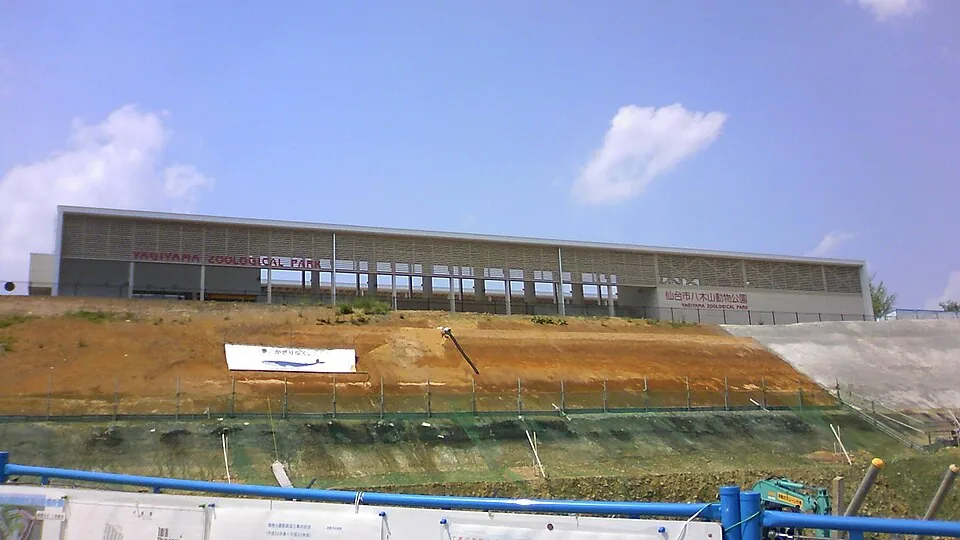
仙台市八木山動物公園
仙台市太白区にある動物園
写真:広瀬川 / Public domain(resized and reformatted)
Photo source ·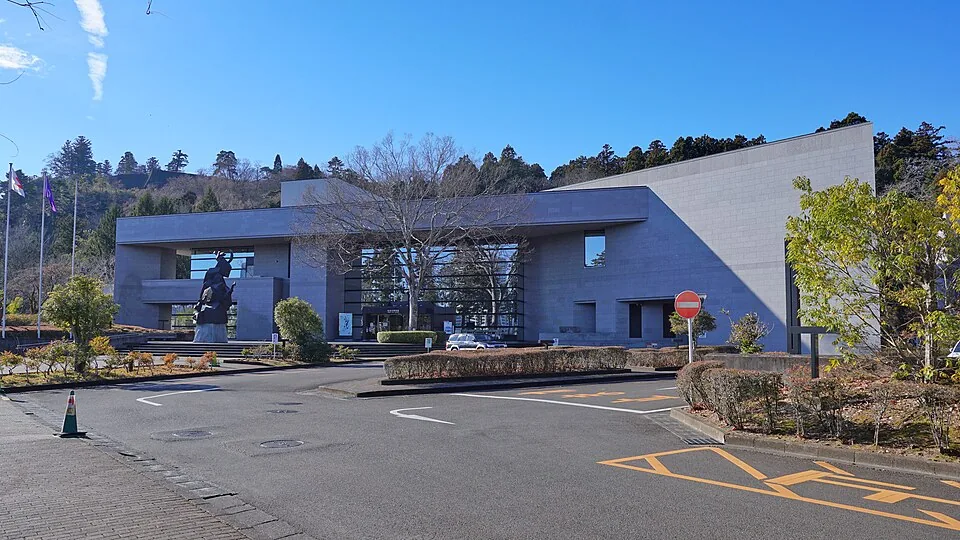
仙台市博物館
宮城県の博物館・美術館のスポットです。
写真:掬茶 / CC BY-SA 4.0(resized and reformatted)
Photo source ·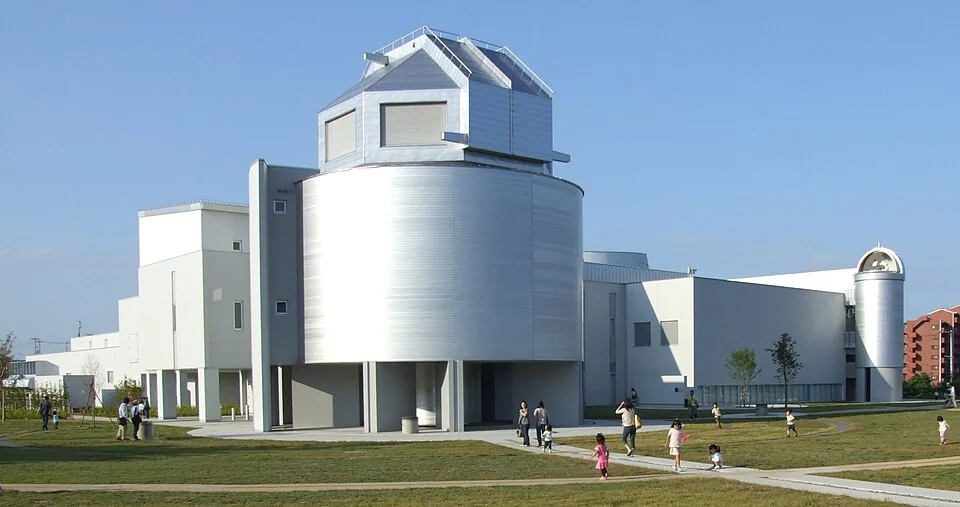
仙台市天文台
宮城県仙台市青葉区にある公開天文台
写真:Kinori / Public domain(resized and reformatted)
Photo source ·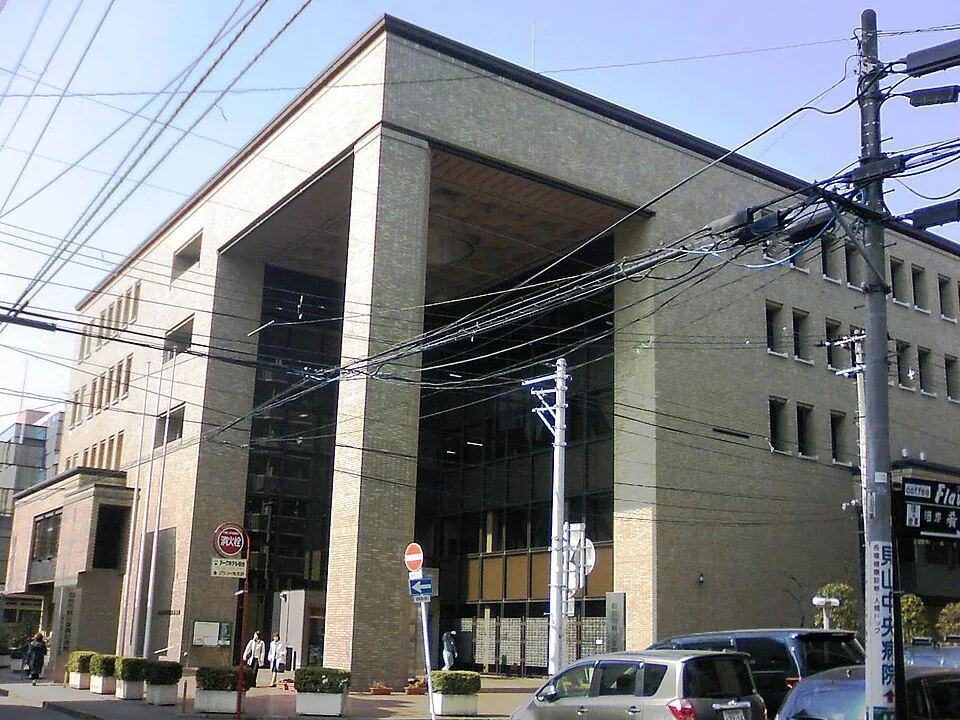
仙台市戦災復興記念館
仙台市にある、仙台空襲からの復興を記念する公共施設
写真:Sendai_City_War_Reconstruction_Memorial_Hall.JPG : 広瀬川 derivative work: 0607crp ( talk ) / Public domain(resized and reformatted)
Photo source ·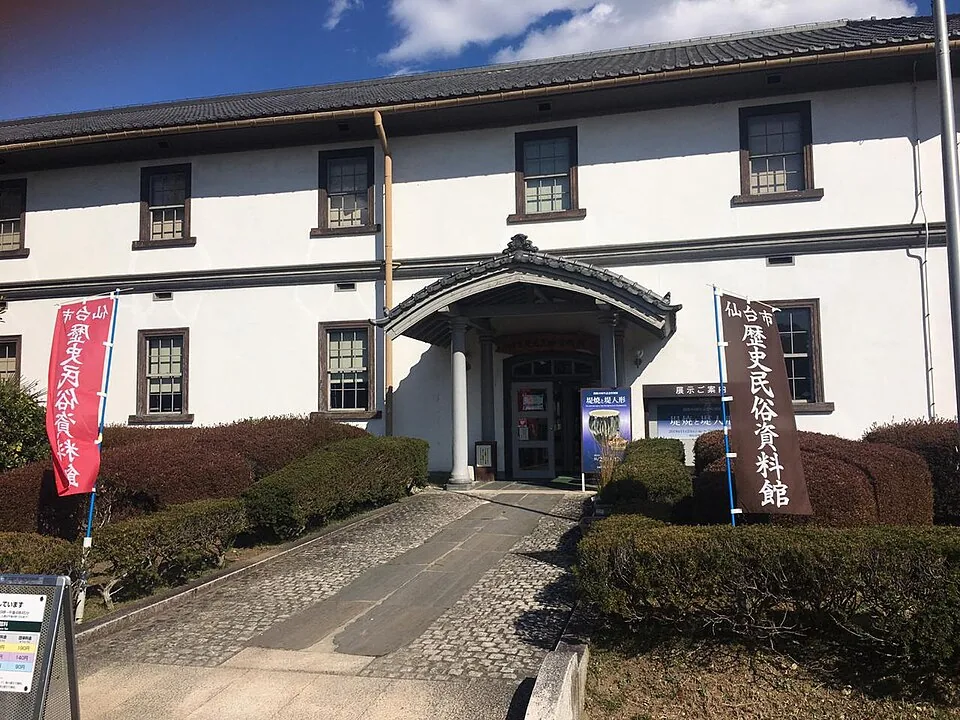
仙台市歴史民俗資料館
宮城県仙台市の榴岡公園にある資料館
写真:Kyotohippie / CC BY-SA 4.0(resized and reformatted)
Photo source ·
仙台市科学館
日本の宮城県仙台市青葉区にある科学館
写真:掬茶 / CC BY-SA 4.0(resized and reformatted)
Photo source ·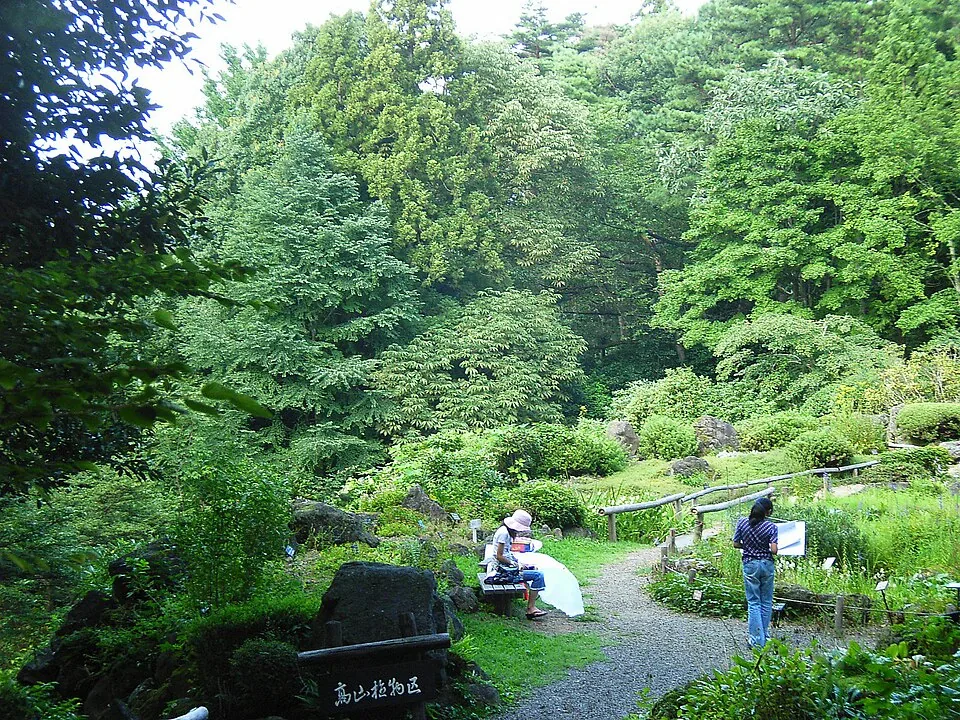
仙台市野草園
仙台市の植物園
写真:No machine-readable author provided. Kinori assumed (based on copyright claims). / Public domain(resized and reformatted)
Photo source ·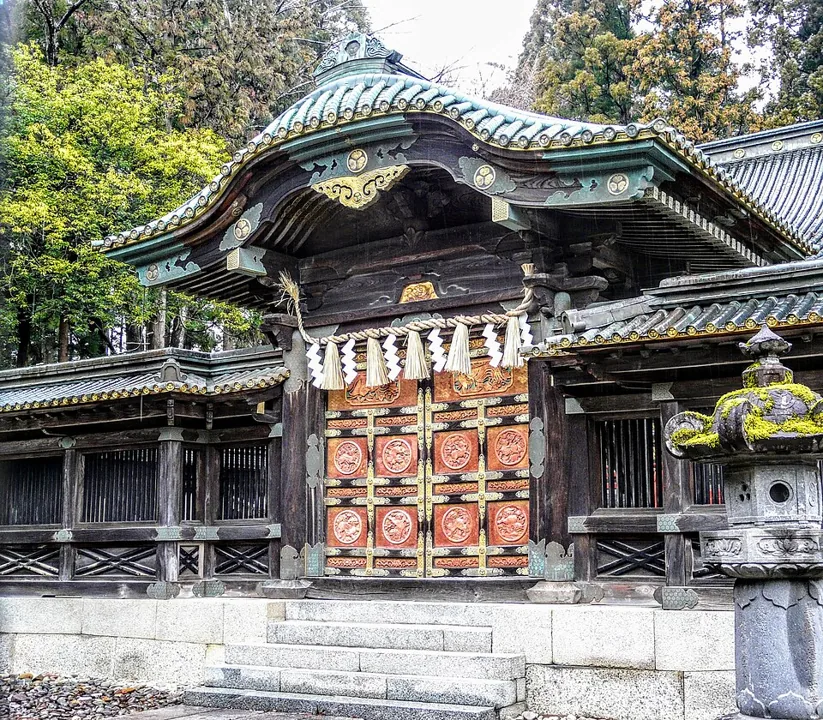
仙台東照宮
宮城県仙台市青葉区東照宮にある神社
写真:Naokijp / CC BY-SA 4.0(resized and reformatted)
Photo source ·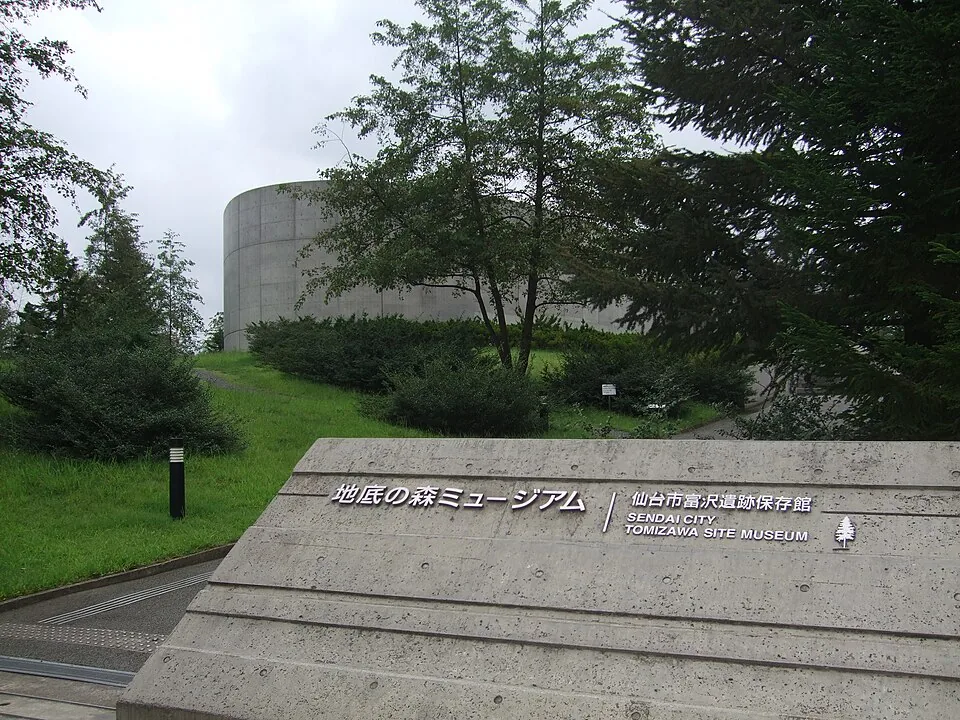
地底の森ミュージアム
宮城県仙台市太白区にある歴史博物館
写真:Asenas10 at Japanese Wikipedia / CC BY 3.0(resized and reformatted)
Photo source ·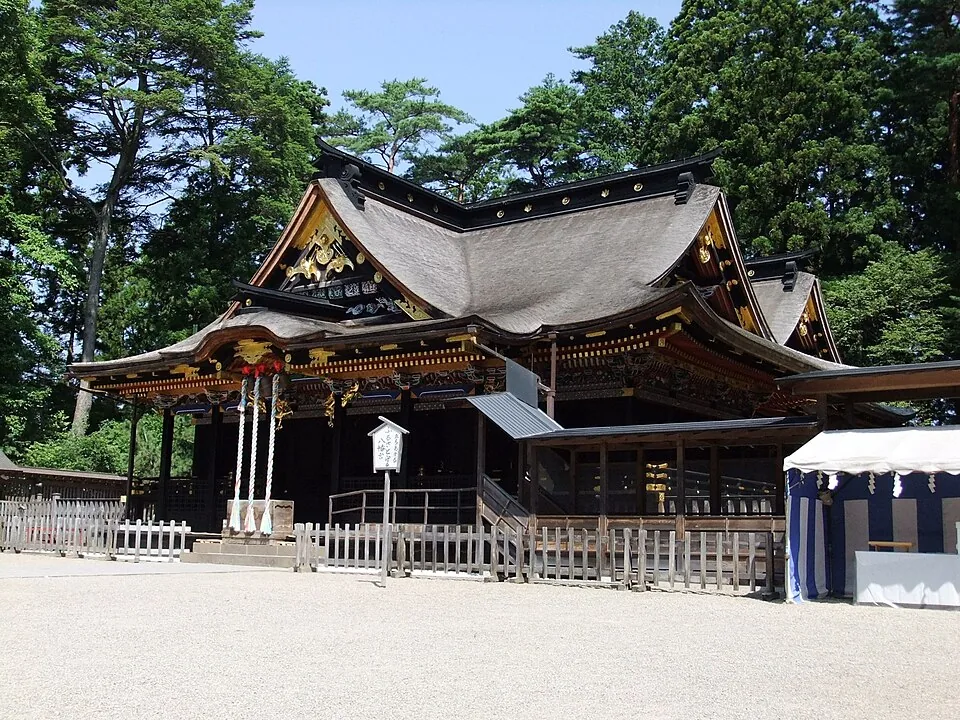
大崎八幡宮
宮城県仙台市にある神社
写真:Tak1701d / CC BY-SA 3.0(resized and reformatted)
Photo source ·Origins and History of Akiu Taue Odori
Akiu Taue Odori is a folk performing art passed down in the Baba, Nagabukuro, and Yumoto districts.
In the past, performers were invited to neighboring villages from Koshogatsu through around March, and performed on stages set up outside private homes.
It was designated an Important Intangible Folk Cultural Property in 1976 and registered as a UNESCO Intangible Cultural Heritage in 2009.
Source: 国指定文化財等データベース
Official information
The 2026 performance schedule can be checked in Sendai City’s “On-Site Public Performances of Folk Performing Arts.”
Designation information for the cultural property is listed in the Agency for Cultural Affairs’ Database of Nationally Designated Cultural Properties.
Explanations of Yumoto Taue Odori and transport information are also available on the Miyagi Intangible Cultural Heritage page of the Tohoku History Museum.
Akiu Taue Odori at a Glance
Akiu Taue Odori is a rice-planting dance passed down in the Baba, Nagabukuro, and Yumoto districts of Sendai’s Akiu area, expressing a prayer for a bountiful harvest.
Saotome dancers in flower hats and long-sleeved kimono, along with Yajuro and bell-ringers, depict rice-planting gestures to the accompaniment of singing, flute, and drums.
In 2026, performances will be held in conjunction with festivals in each district, so it is recommended that you check the dates, times, and transport information for each venue before visiting.
Japanese Festivals.jp Editorial Team
Celebrating local culture and helping you discover a side of Japan you never knew.
Article updated: 2026/10/19
Submit information or a correction Submit photos of this festival