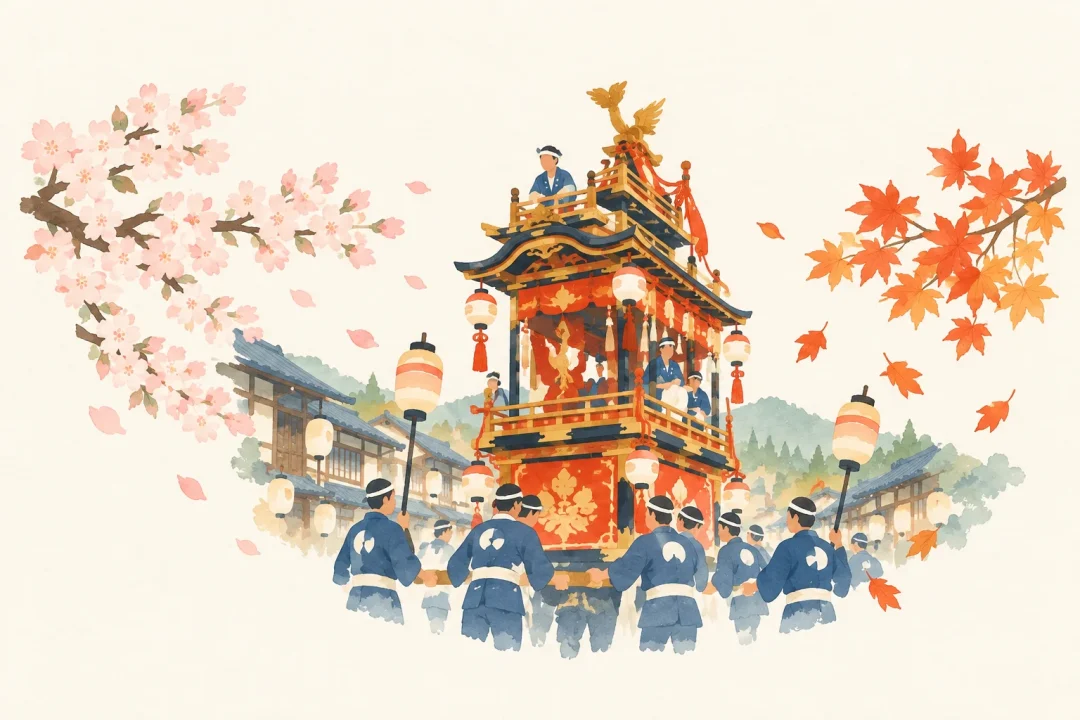
Get to know Chichibu Night Festival in depth: the 6 kasaboko and yatai, and the meaning behind this winter festival
From dashi moving beneath the fireworks to the life and prayers of Chichibu.
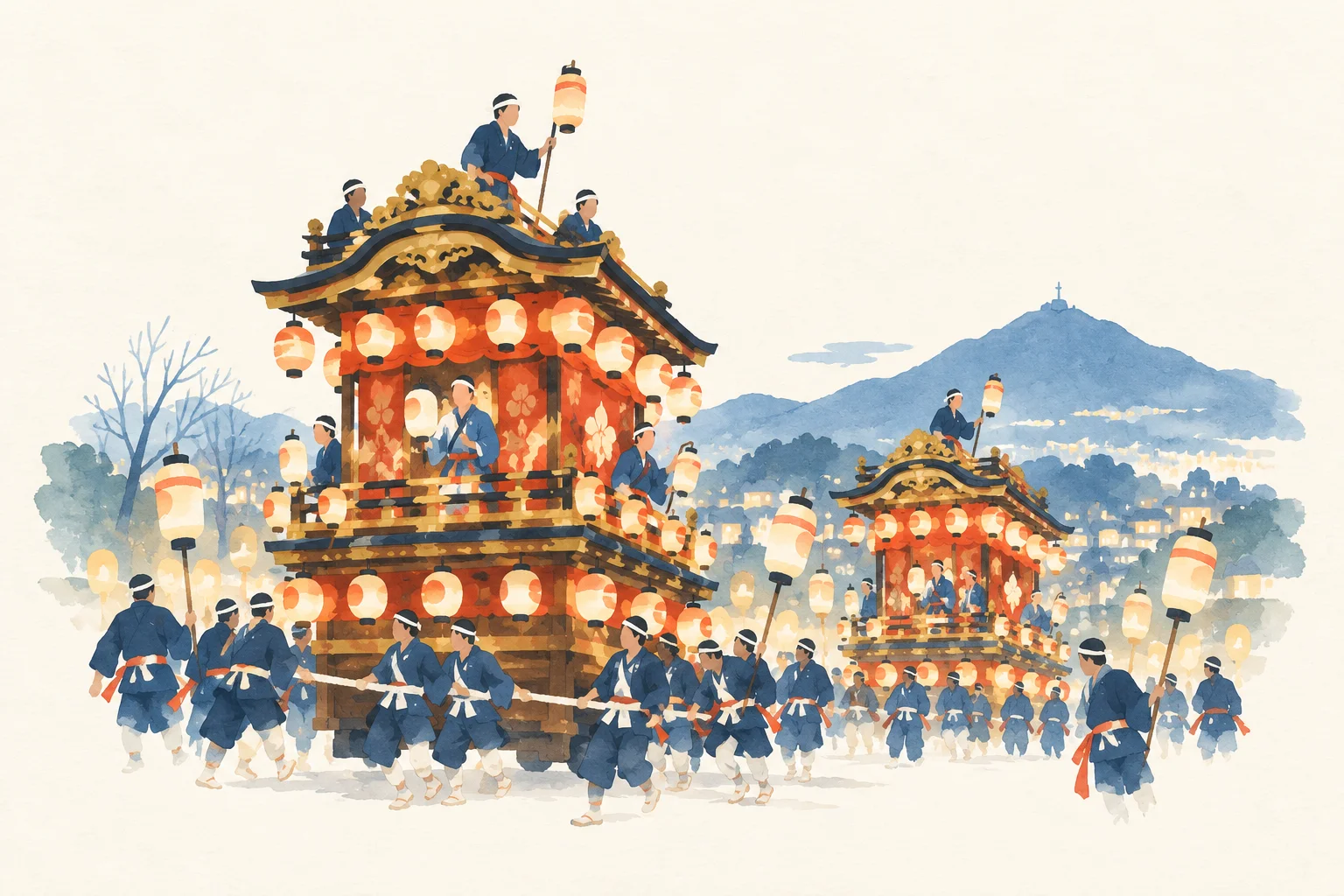
The name Chichibu Night Festival may bring to mind a winter night sky and magnificent . But the nighttime climax is not the only way to understand this festival. The difference between kasaboko and , the livelihoods that supported the town, and the meaning of the festival as told by Chichibu Shrine: these 3 perspectives can make the scene before you feel a little more vivid.
Don’t lump all 6 together as “dashi”
The Chichibu Tourism Association describes the festival floats as 2 kasaboko and 4 yatai. Although they are all pulled through the streets, their shapes and decorations differ. First, identify whether you’re looking at a kasaboko or a yatai, then find out the name of one that catches your eye. Rather than memorizing every name, you may enjoy the festival more by spotting the differences one by one as you watch. (Chichibu Tourism Association, “Chichibu Night Festival”)
The impression also changes depending on where you watch from. Keep some distance to see the whole float, and focus on the carvings and curtains when you can get a closer look. Comparing them with the height of people nearby also gives you a sense of their scale, which can be hard to grasp from photos alone. However, the routes used by the pullers and staff directing the procession are not viewing areas. Keep stopping areas separate from walking routes, and stay out of the floats’ paths.
The splendor fostered by the silk market and the festival
The Chichibu Festival Museum explains the connection between the Kinōichi silk market near Chichibu Shrine and the development of the festival. Instead of admiring the lavish decorations only as works of art, consider the town’s commerce that supported them. This can be a starting point for thinking about why the festival is such a major event for the community. (Chichibu Festival Museum, “Chichibu Night Festival”)
On festival days, spectators also take part in town life by shopping and dining. That’s why it’s important not to use shopfronts as viewing seats without permission or block entrances while businesses are open. Keeping in mind that the festival takes place in a town where people live can help you maintain a respectful balance between sightseeing and the festival.
A year in the mountains and countryside, as told by the shrine
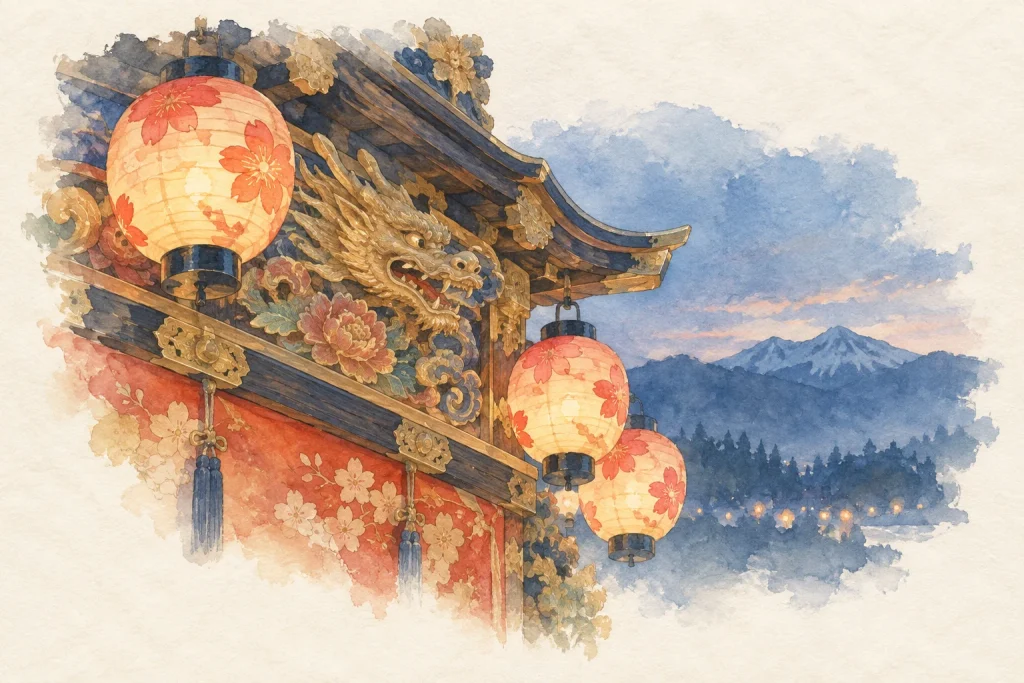
Chichibu Shrine describes the Chichibu Night Festival as a rite connected with Mount Buko, life in the basin, and the annual cycles of farming and sericulture. This is the shrine’s interpretation: the deity welcomed in spring is sent back to the mountains after the harvest. It’s also important to understand explanations of folklore and faith as such, rather than treating them as the same kind of account as events established by historical records. (Chichibu Shrine, “Chichibu Night Festival”)
Seen from this perspective, the nighttime excitement is not just a standalone show; it can also mark a turning point in the life of the community. You don’t need to understand every custom on your first visit. You can show respect for the festival by, for example, lowering your voice a little during religious rites and following staff directions.
Even for a “night festival,” plan your trip starting with the daytime
Chichibu City explains that kasaboko and yatai are pulled in the annual grand festival on December 3. You can tailor your plans to your interests: for example, focus on the shapes and decorations during the day, or watch the floats move through the lights at night. Check the latest official announcements for the times of the procession, fireworks, and traffic restrictions for the year you plan to visit. (Chichibu City, “Chichibu Festival Floats”)
For winter viewing, it’s easier to prepare if you plan separately for the time spent walking from the station and the time spent standing and waiting. If you plan to stay until night, decide in advance when to leave the festival area, not just which train to take home. Planning to stay until the end is not the same as planning a successful day trip. It’s a good idea to allow extra time for connections, anticipating that crowds may all start moving at once after the viewing ends.
- Check whether the day you want to visit is Yoimiya or the main festival, then choose that day’s events.
- Learn the name of one kasaboko or yatai, then look for differences in its decorations and shape.
- For nighttime viewing, plan not only for warmth but also for places to rest and your return journey.
- Use the map for the current year, and follow local traffic restrictions and directions as your priority.
A trip to see magnificent dashi and fireworks can also be a journey to discover Chichibu. The town that supports the 6 floats, the memory of the silk market, and prayers connecting the mountains and the countryside are all helpful clues. Even choosing just one perspective that interests you can change how Chichibu Night Festival looks the next time you see it.
Official sources consulted
- Chichibu Shrine, “Chichibu Night Festival”
- Chichibu City, “Chichibu Festival Floats”
- Chichibu Festival Museum, “Chichibu Night Festival”
- Chichibu Tourism Association, “Chichibu Night Festival”
This page is based on publicly available information from official sources, local governments, tourism associations, and others. Information checked: 2026/10/01. Please check the official information for the year you plan to visit for the dates, venues, traffic restrictions, and participation requirements.

Find one thing that catches your interest.
Find a little “first” beyond the familiar everyday. Why not start with a region or way of enjoying yourself that catches your interest, and see where it leads?
Find festivals