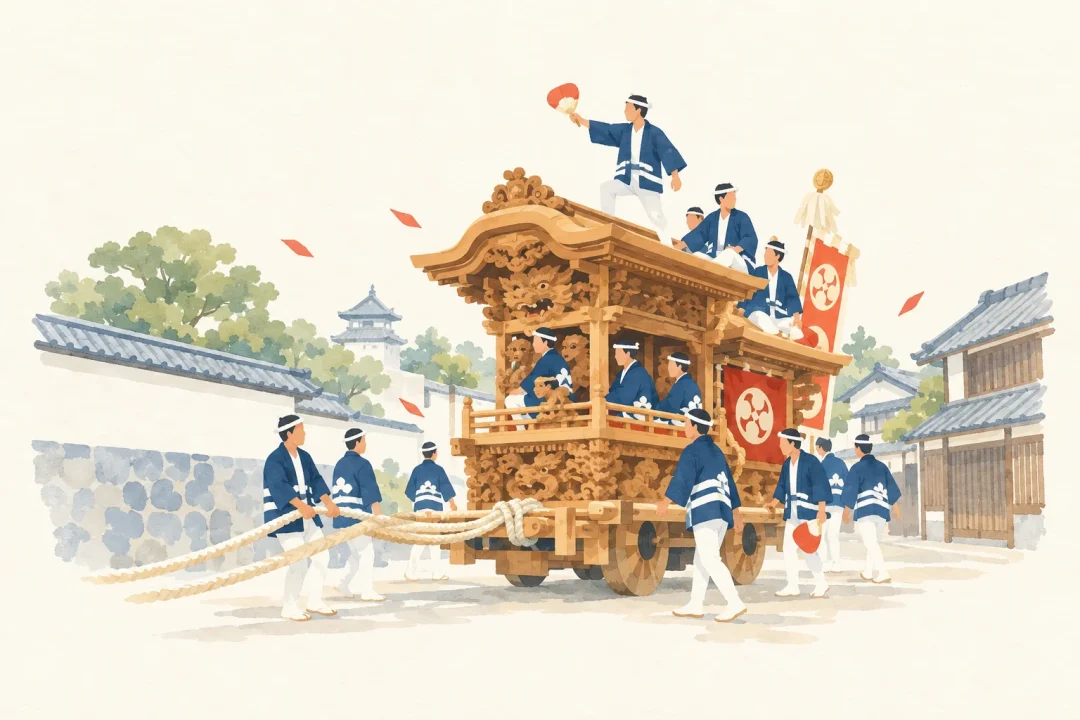
An autumn festival in which rice cakes and dumplings made from new grain are offered to the deities
Ochi Shrine Ushitora Festival Offering Preparation Ritual
Festival information
EVENT INFORMATION- Season / frequency
- Late November (offering hall ritual on November 24, eve festival on November 25, main festival on November 26)
- Location
- Ochi Shrine
- Area
- Osaka Prefecture・Yao City(From Tokyo: approx. 2 h 30 min–3 h · bullet train)Prefecture-level estimate to a main station or airport, not the venue. Airport access, check-in and onward travel are extra; remote areas and islands can take much longer.
- Wishes behind the festival
- Last updated
- 2026/11/24
The Ochi Shrine Ushitora Festival Offering Preparation Ritual is a sacred rite in which rice cakes and dumplings are prepared as offerings to the deities, expressing prayers for a good harvest and gratitude for the new grain. Centered on the shrine families of the hereditary offering hall, the ritual preserves ancient practices. The preparation of the offerings itself is designated an Intangible Folk Cultural Property by Yao City.
About Ochi Shrine Ushitora Festival Offering Preparation Ritual
The Ochi Shrine Ushitora Festival Offering Preparation Ritual is a sacred rite in which offerings are prepared for the deities as part of Ochi Shrine’s festival.
Ochi Shrine is described as enshrining Ōmiketsuhiko-no-Mikoto and Ōmiketsuhime-no-Mikoto as its principal deities, with many rituals said to originate in prayers for abundant crops.
At the Ushitora Festival, new grain is offered to the deities as an expression of gratitude for an abundant harvest.
Festival highlights
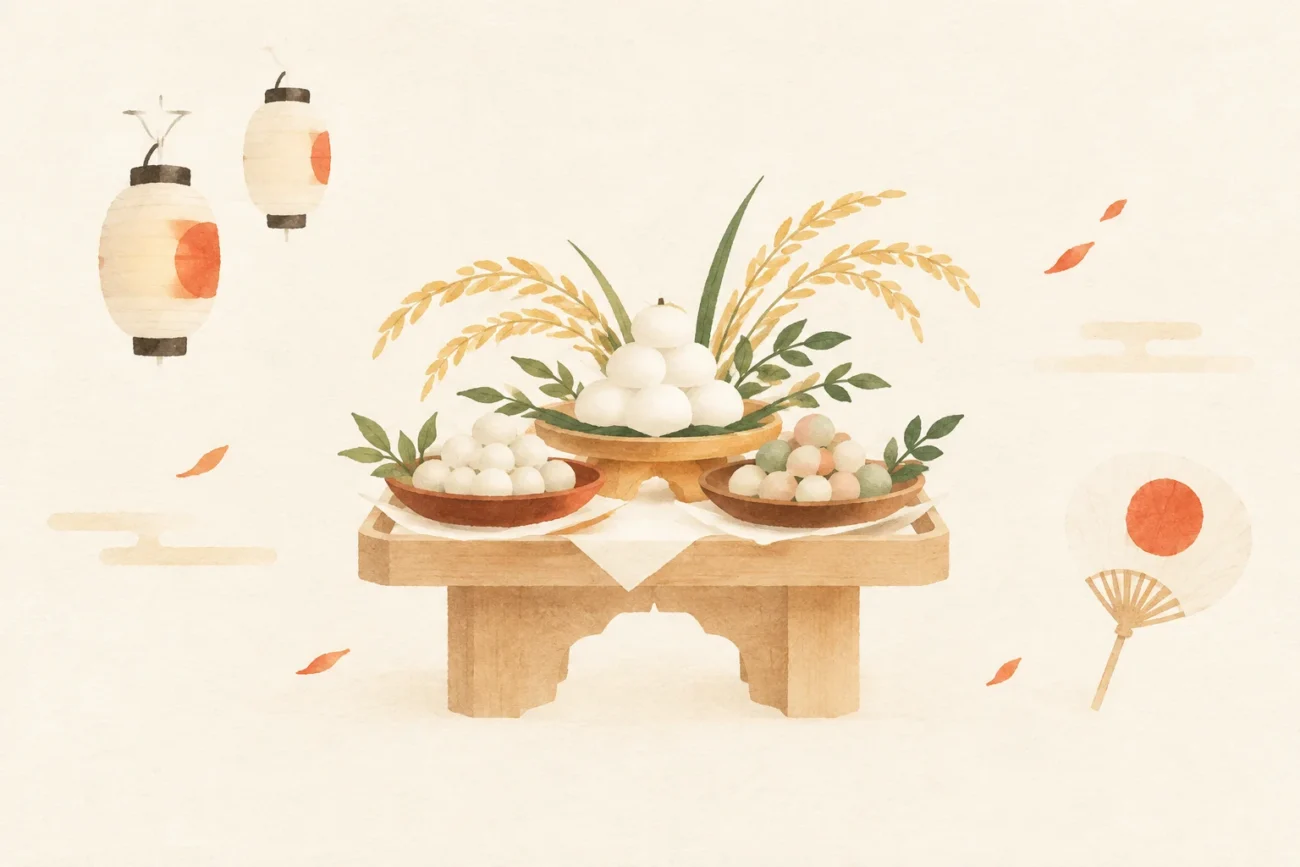
A highlight is the process of shaping rice cakes and dumplings from glutinous and non-glutinous rice flour.
The offerings are said to comprise 2 types of rice cakes and 3 types of dumplings; another record mentions dumplings shaped as Magari, Ōbuto, and Baishi.
The completed offerings are placed beside the , followed by a naorai gathering.
An autumn festival in which rice cakes and dumplings made from new grain are offered to the deities
What to expect
During the ritual, participants perform at 8 a.m. and proceed to the haiden in special attire.
After receiving purification from the chief priest and being given the sacred fire, they move to the offering hall and transfer the fire to the cooking hearth.
They then partake of a ritual meal, make rice cakes and dumplings, set out the offerings, and hold a naorai gathering.
Location and access
- Venue and address
Ochi Shrine, Onchinakamachi, Yao, Osaka
Address Onchinakamachi, Yao, Osaka
Dates and season
- Season
Late November (offering hall ritual on November 24, eve festival on November 25, main festival on November 26)
Accommodation and hotels PR
Showing nearby accommodation.
Prices and availability are current at the time of retrieval. For multi-night stays, only the first night’s price is shown. Confirm the final price and directions to the venue with the booking provider. Select your dates again when using the area search link. Search area: within 3 km of Central Osaka Prefecture / Yao City (the search is not centered on the festival venue)
Origins and History of Ochi Shrine Ushitora Festival Offering Preparation Ritual
The Ushitora Festival Offering Preparation Ritual is said to carry on the tradition of the Niiname Festival, which was held on the days of the Hare and Dragon.
The offering ritual is described as being associated with the Ainamesai established during the Engi era under Emperor Daigo. Today, the form in which offerings are made is passed down at the offering hall ritual on November 24 and at the autumn festival on November 26.
It was designated an Intangible Folk Cultural Property of Yao City in fiscal year Heisei 15.
Official information
八尾市公式サイト:Yao City Official Website
Ochi Shrine Ushitora Festival Offering Preparation Ritual at a Glance
The Ochi Shrine Ushitora Festival Offering Preparation Ritual is a sacred rite of preparing offerings to pray for a good harvest and express gratitude for the new grain.
Centered on the shrine families of the offering hall, rice cakes and dumplings are prepared after misogi and receiving the sacred fire.
The ritual is designated an Intangible Folk Cultural Property of Yao City for preserving the traditions of the ancient Niiname and Ainamesai festivals.
Sources and references
Japanese Festivals.jp Editorial Team
Celebrating local culture and helping you discover a side of Japan you never knew.
Article updated: 2026/11/24