Tachihara’s mourning festival, preserving the memory of a horse
Naki Gion
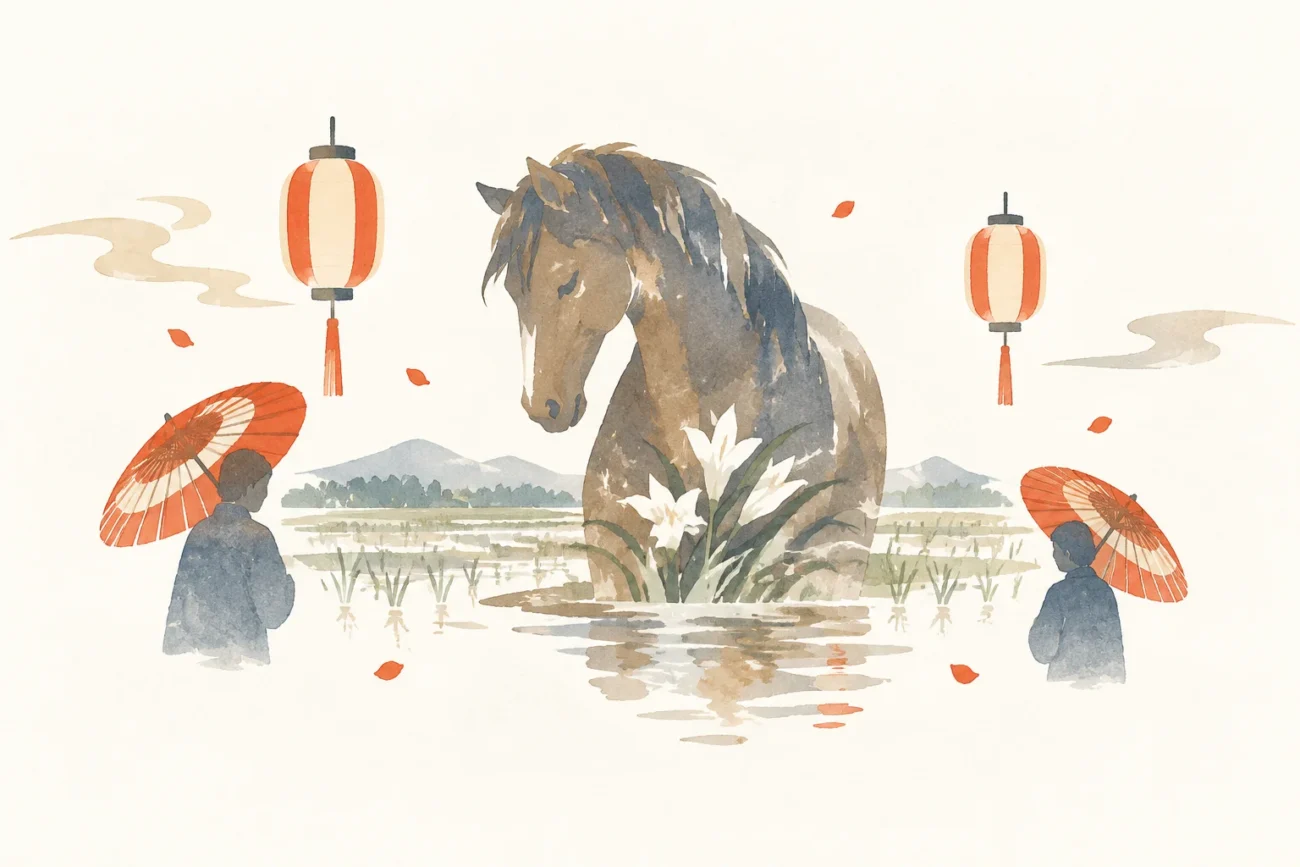
Festival information
EVENT INFORMATION- Season / frequency
- Every year on June 15 / Every year
- Location
- Tachihara District
- Area
- Ibaraki Prefecture・Kashima City(From Tokyo: approx. 1 h 10 min–1 h 30 min · limited express)Prefecture-level estimate to a main station or airport, not the venue. Airport access, check-in and onward travel are extra; remote areas and islands can take much longer.
- Highlights and activities
- Wishes behind the festival
- Last updated
- 2026/11/12
Naki Gion, passed down in the Tachihara District of Waza, Kashima City, is a festival connected to the story of mourning a horse that died in a deep, muddy rice paddy. It is held on June 15, said to be the horse’s death anniversary, and is designated an intangible folk cultural property of Kashima City.
About Naki Gion
Naki Gion is a festival passed down in the Tachihara District of Waza, Kashima City.
It is said to have originated in mourning a horse that once died in a deep, muddy rice paddy.
It is held on June 15, the horse’s death anniversary, and is designated an intangible folk cultural property of Kashima City.
This folk event is connected to Tachihara’s local history and memories of the land.
Festival highlights
One highlight is the connection between an event that took place in a muddy rice paddy and the festival’s name.
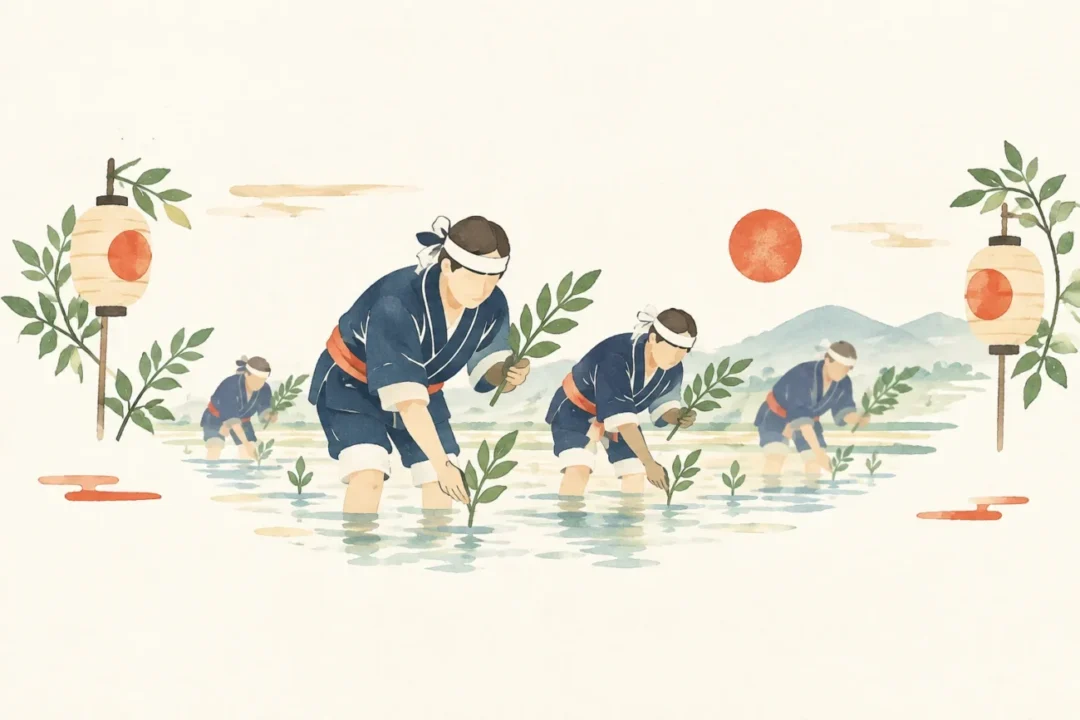
It has been passed down as an event to mourn the horse’s death, based on the story that it got stuck in a muddy paddy and could not get free.
In Tachihara, where the festival takes place, a Nyoirin Kannon stone statue has been erected with the inscription “Enpō 6 June 15, memorial service for insects.”
You can learn about the festival alongside local beliefs and the community’s memories of the area.
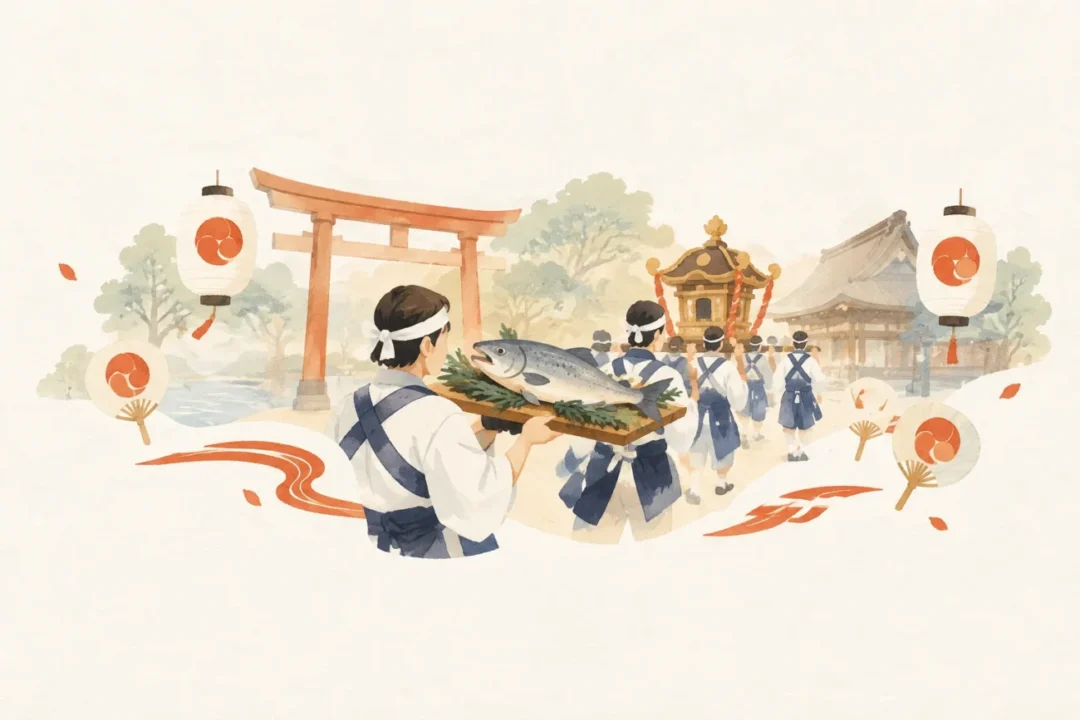
Tachihara’s mourning festival, preserving the memory of a horse
What to expect
At Naki Gion, an event mourning a horse’s death is held in Tachihara District.
According to local tradition, a horse got stuck in a muddy paddy, could not get free, and died.
No verifiable information is available about the specific rites, proceedings, or offerings.
Its connection to June 15, said to be the horse’s death anniversary, is a defining feature of the festival.
Location and access
- Venue and address
Tachihara, Aza Waza, Kashima City (Tachihara District)
Address Tachihara, Aza Waza, Kashima City
Dates and season
- Season
Every year on June 15
- Frequency
Every year
Accommodation and hotels PR
Showing nearby accommodation.
Prices and availability are current at the time of retrieval. For multi-night stays, only the first night’s price is shown. Confirm the final price and directions to the venue with the booking provider. Select your dates again when using the area search link. Search area: within 3 km of Central Ibaraki Prefecture / Kashima City (the search is not centered on the festival venue)
Nearby attractions

鹿島神宮
茨城県鹿嶋市にある神社
Origins and History of Naki Gion
Naki Gion is a folk event passed down in Tachihara District.
The festival is said to have originated in mourning a horse that died in a deep, muddy rice paddy.
At a site connected with the festival stands a Nyoirin Kannon stone statue inscribed with “Enpō 6 June 15” and “memorial service for insects.”
In Showa 50 July 1, it was designated a cultural property by the then Ōno Village, and it is now designated an intangible folk cultural property of Kashima City.
Official information
The festival is introduced as an intangible folk cultural property of Kashima City on the city’s website, in “The Origin and History of the Place Name ‘Waza.’”
The same page also provides information about the Tachihara locations associated with the festival, the story behind mourning the horse, and the Nyoirin Kannon stone statue.
Naki Gion at a Glance
Naki Gion is a folk event passed down in the Tachihara District of Waza, Kashima City.
It is said to have originated in mourning a horse that died in a deep, muddy rice paddy, and it is held every year on June 15.
A Nyoirin Kannon stone statue remains in Tachihara, inscribed with “Enpō 6 June 15” and “memorial service for insects.”
A festival designated an intangible folk cultural property of Kashima City, connected to memories of the land.
Sources and references
Japanese Festivals.jp Editorial Team
Celebrating local culture and helping you discover a side of Japan you never knew.
Article updated: 2026/11/12