Planning to see a dashi festival? Compare Kawagoe, Takayama, and Inuyama through craftsmanship and festival music
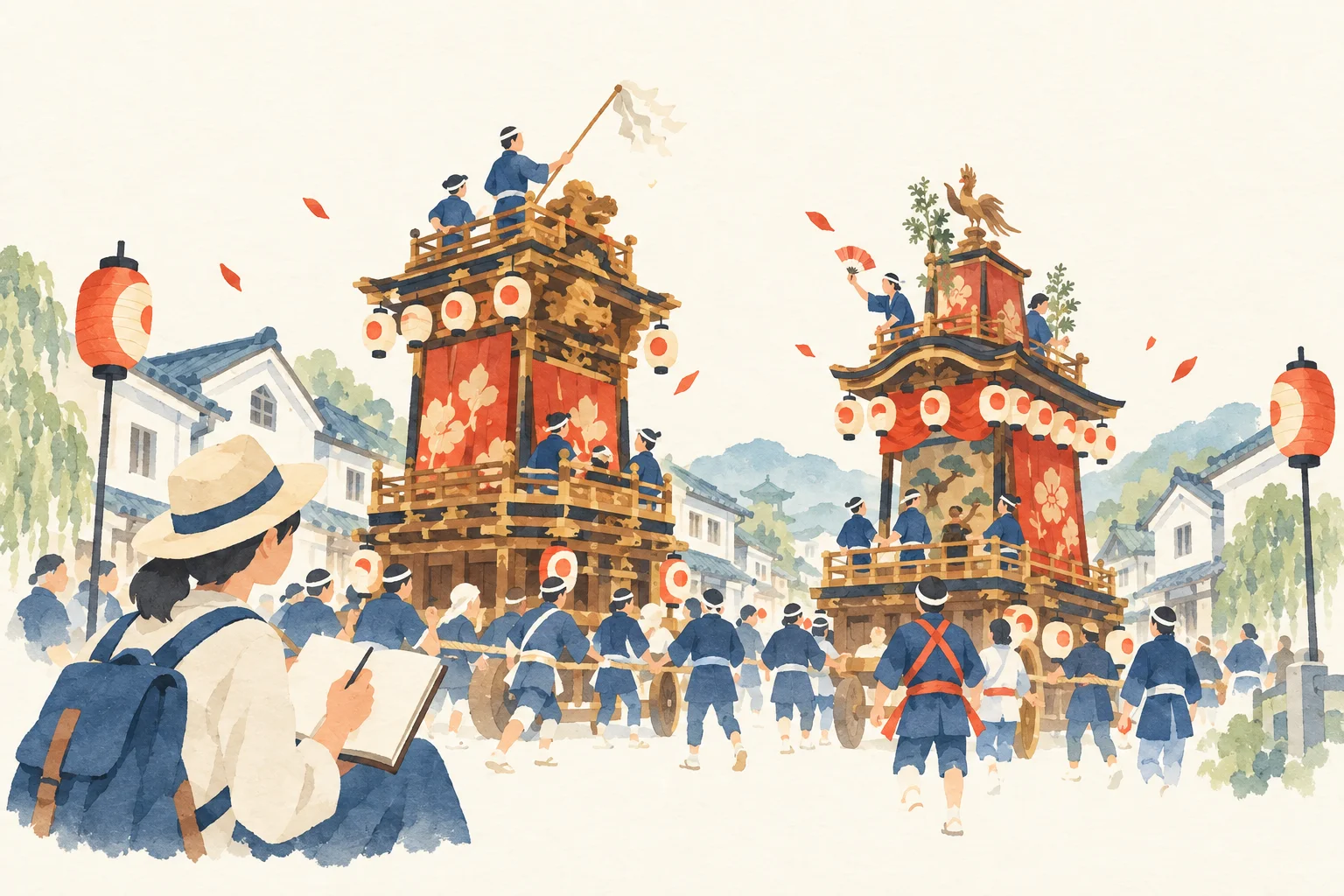
Festivals where lavish parade through town can look similar in photos. But if you shift your focus to the puppets, karakuri, festival music, or town scenery, you’ll notice what makes each place different. Compare the Kawagoe Festival, Takayama Festival, and Inuyama Festival to find the dashi festival you’d like to see.
Enjoying the meeting of festival music and dashi in Kawagoe
At the Kawagoe Festival, highlights include dashi carrying puppets and hiki-awase, when dashi that meet exchange festival music. This is a festival where you’ll want to listen as well as look, especially when the sounds overlap. (Kawagoe Festival Official Website, “Overview and History”)
If it’s your first time, don’t make it your goal to find every dashi. Try remembering one puppet and its festival music. Then, when you look at another dashi, the similarities and differences become more concrete. Rather than rushing to a crowded intersection to follow a hiki-awase, enjoy the flow of the parade along the route indicated by the organizers.
Focusing on float design and karakuri in Takayama
Lavish festival floats draw attention at the Takayama Festival, but the spring and autumn festivals—and their floats—are different. Check the official guide for seasonal differences, and find out which season features the you want to see before choosing your dates. (Hida Takayama Travel Guide, “How to Enjoy the Takayama Festival”)
When you take in a yatai all at once, it’s easy to miss the details. Try moving your gaze from top to bottom: the roof, curtains, carvings, and puppets. If you’re hoping to see karakuri, check the information for that year to find out which yatai will take part and when the performances will be held.
Comparing the three-tiered yama floats in Inuyama
The Inuyama Festival features 13 three-tiered floats called yama, with karakuri offerings among its highlights. Learning the local term yama for these floats can also make it easier to understand information on-site. (Inuyama Tourism Navi, “Inuyama Festival”)
When comparing them, look beyond “which one is bigger” and notice the arrangement of the upper section, how colors are used, and where the musicians stand. They look different when moving and when stationary, so you’ll understand them better if you make time to see both during your trip.
Three questions to help you choose your destination
| Question | Choosing your trip |
|---|---|
| Want to enjoy the music, too? | Check when and where you can hear the festival music |
| Want to see karakuri? | Check in advance which dashi or yatai will perform, and when |
| Want to take your time looking at the decorations? | Find places where you can see the floats while they’re stationary, or visit an exhibition facility |
If your visit doesn’t coincide with the festival dates, you could look into local exhibition facilities such as the Kawagoe Festival Museum. It’s different from the sounds and excitement of the festival itself, but seeing the floats at your own pace before attending can make your visit even more enjoyable.
Kawagoe, Takayama, and Inuyama each have their own distinct town scenery, too. Rather than viewing the dashi on its own, look at it alongside the width of the streets, the height of the buildings, and people’s movements. This can be a starting point for thinking about why the festival has continued in that place. Why not choose your next trip based on one detail that catches your eye?
Official sources consulted
- Kawagoe Festival Official Website, “Overview and History”
- Hida Takayama Travel Guide, “How to Enjoy the Takayama Festival”
- Inuyama Tourism Navi, “Inuyama Festival”
This guide is based on publicly available information from official sources, local governments, and tourism associations. Information checked: 2026/10/01. Check the official information for the year you plan to visit for dates, venues, traffic restrictions, and participation requirements.
Festivals related to this article

Kawagoe Festival
Dashi and enliven the kurazukuri streetscape at Kawagoe’s autumn festival
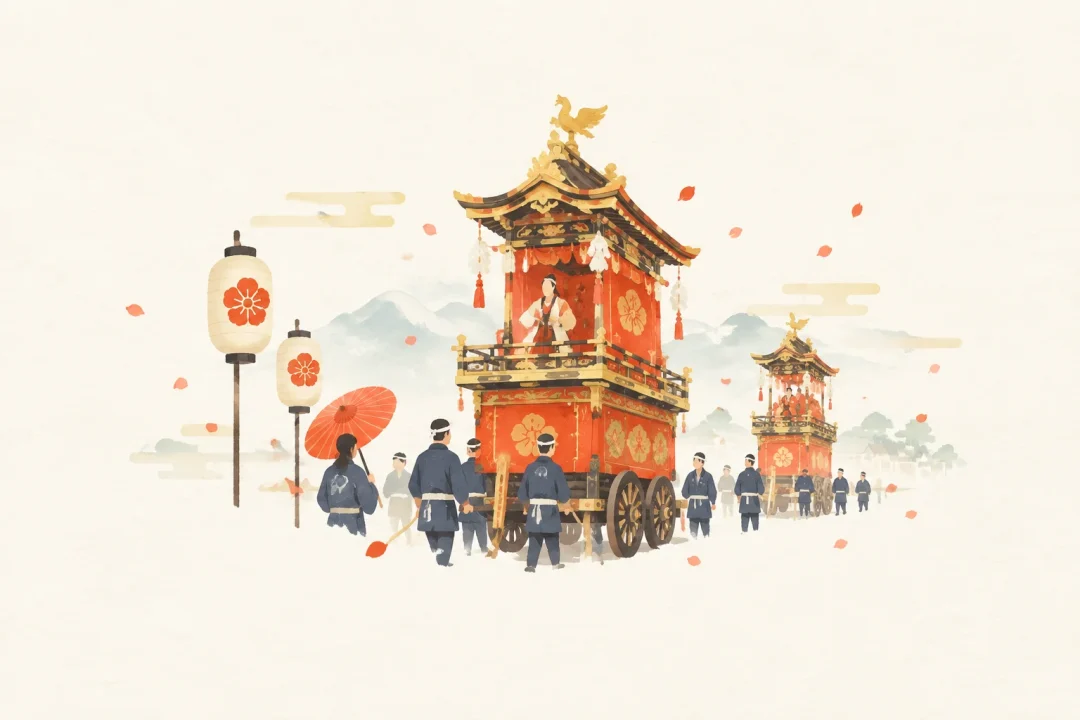
Takayama Festival
An autumn festival in Hida-Takayama, filled with master-crafted dashi and lantern-lit processions
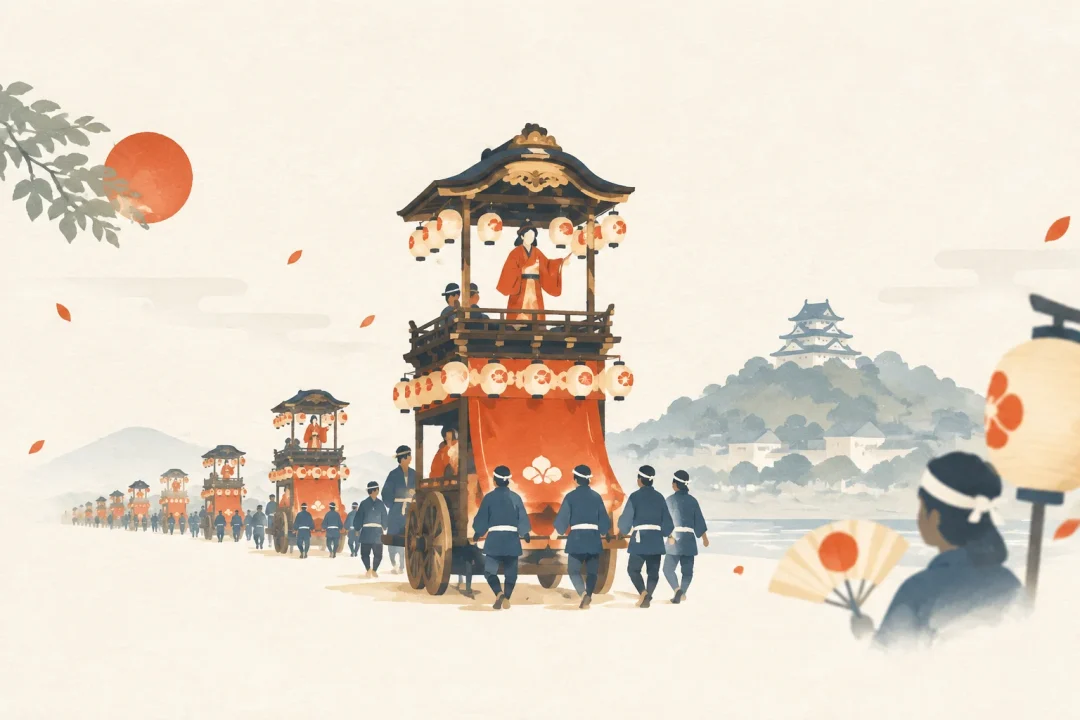
Inuyama Festival
A spring festival in Inuyama, with karakuri dashi bringing color to the castle town
