Planning a festival trip with 3 generations: How to reduce walking distances and waiting times
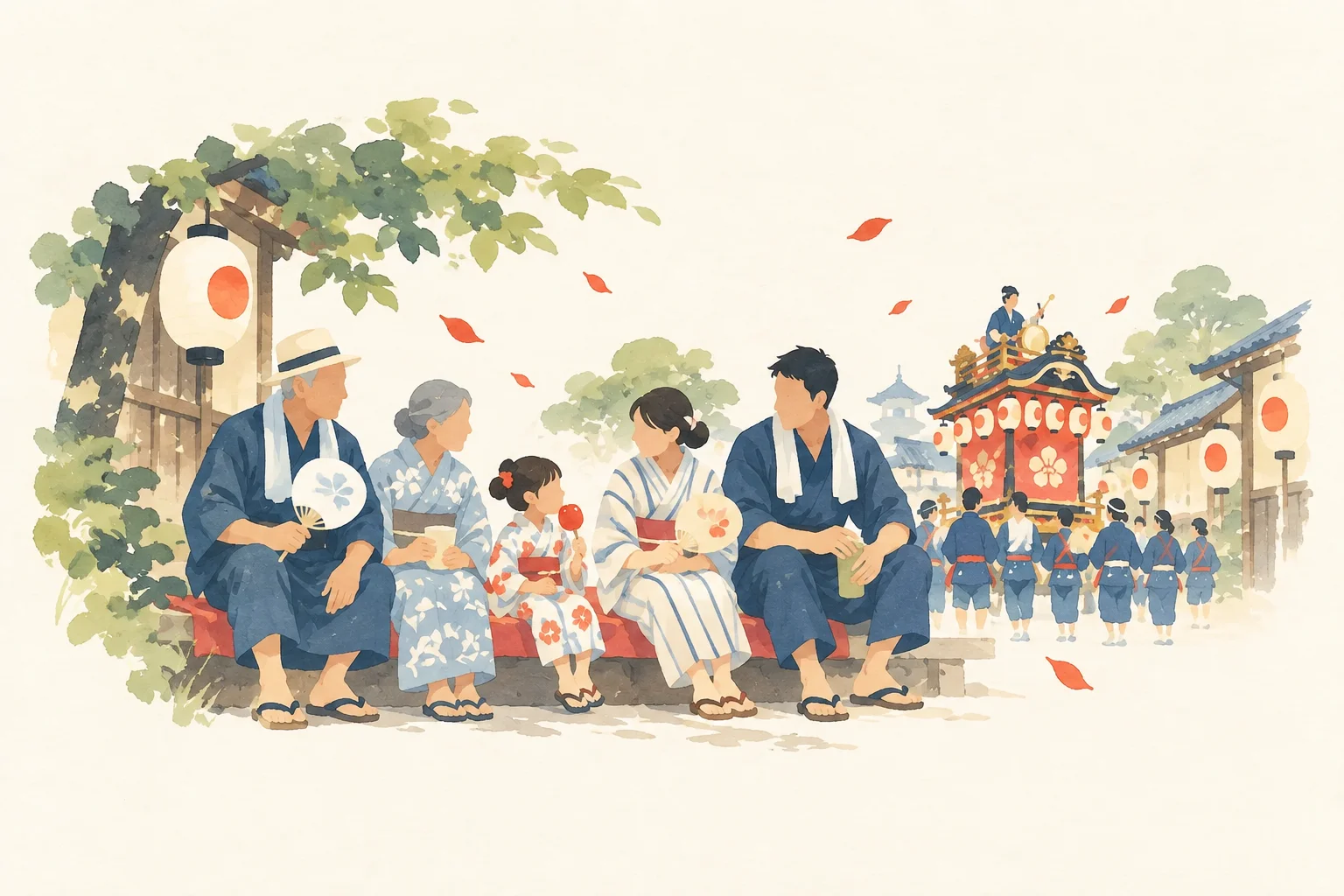
When grandparents, parents, and children go to a festival together, they don’t all need to spend the same amount of time there or move at the same pace. Some people enjoy walking for a long time; others prefer to watch for a shorter time. Instead of making assumptions based on age, ask each person about standing and getting around as you put the plan together. This will help you avoid overexertion.
Choose one viewing spot rather than adding more
For a three-generation festival trip, it can be easier to get around if you don’t make covering a large venue your goal. Choose one main event and one viewing spot, then check the route there and back. For events held throughout a town, such as the Kawagoe Festival, you can use the map for that year to break the walking area into smaller sections. (Kawagoe Festival Official Website, “Pamphlet”)
Also check whether you can leave that spot partway through. If you go deep into a crowded area and then look for an exit when you want to rest, you may end up walking more. Rather than aiming for the front, look for a spot that offers both a good view and easy access in and out.
Even when there are seats, check the route to them
At festivals with paid seating, seats offer the option to sit while watching. However, buying a seat does not eliminate all the effort of getting around. Check the distance from the entrance to your seat, stairs, restrooms, and the rules for leaving and re-entering. For festivals that provide information about performance venues, such as the Awa Odori in Tokushima City, check the seating options alongside the venue map. (Awa Odori Official Website, “Guidebook”)
Include the waiting time before you reach your seat in your plans. How you spend your time depends on whether you need to line up for a long time before the venue opens or can simply arrive at a designated time. Don’t assume the same conditions work for everyone; check with the organizers about any accommodations needed before booking.
Plan breaks before you start feeling tired
| What to decide | What to discuss |
|---|---|
| Viewing duration | Decide which part of the event to see, rather than deciding how late to stay |
| Rest | Where you can sit, whether it is open, and whether everyone can enter |
| Meals | Whether you can set aside time without it being right before the event |
| Going separately | If someone is leaving early, who they will go with and where they will head |
Don’t assume there’ll be a place to rest just because “there should be a shop nearby”; check the actual location and opening information in advance. Festival days are crowded, so rather than making one particular place an absolute must, consider a few options a little farther away too. That makes it easier to change plans. Don’t plan to use a restaurant’s seats as a rest area without permission.
Separate time together from free time
Rather than watching the same thing together the whole time, you could all watch the first event, then split up for a short stroll and a break. Sharing the meeting place and time, as well as the return transport plan, means one person doesn’t have to carry the responsibility for everyone’s pace. Don’t have children go off on their own; decide in advance what roles the adults will take.
For a three-generation festival trip, what matters is not whether you saw everything, but whether you came away with moments you shared. Even a short visit can be enough if you share the moment a arrives or one dance. Leaving enough room in your schedule to want to come again makes for a plan that suits your family.
Official sources consulted
This content is based on publicly available information from official sources, local governments, tourism associations, and others. Information checked: 2026/10/01. Please check the official information for the year you plan to visit for the dates, venues, traffic restrictions, and participation requirements.
