What is a “UNESCO Intangible Cultural Heritage festival”? How to find festivals by cultural property name
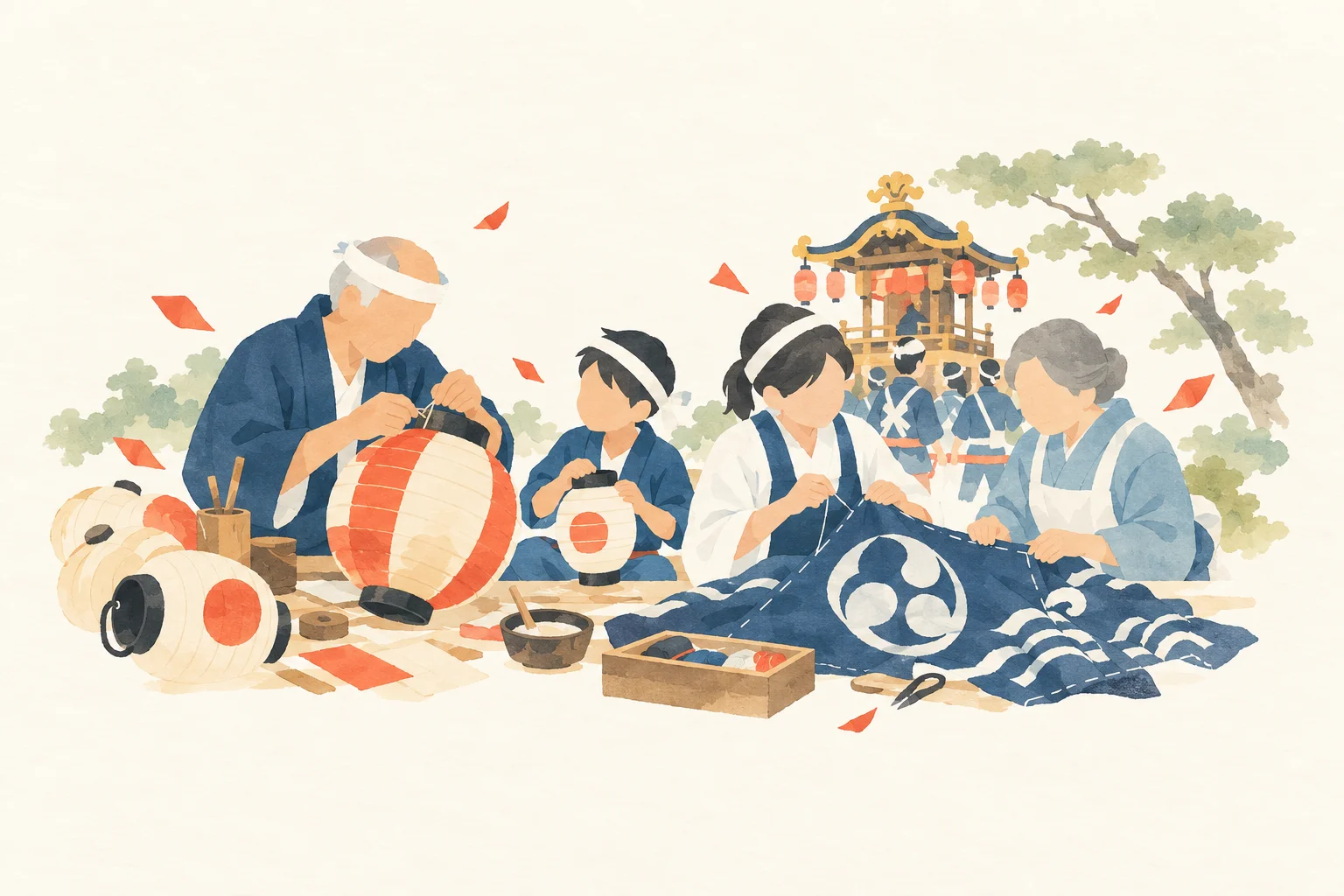
When you see the words “UNESCO Intangible Cultural Heritage” in a festival introduction, it can make you want to visit something special. However, the festival’s name and the name of the registered cultural heritage are not necessarily the same. Knowing a little about the terminology used by the system can help you look beyond tourist attractions and notice the people who pass on skills and events.
Look beyond buildings and scenery to the traditions people carry on
The Agency for Cultural Affairs describes intangible cultural heritage as including performing arts, customs, rituals and festival events, and traditional craft techniques. It is important to consider not only the large, visible , but also the knowledge and practices involved in building and moving them and holding the festival.(Agency for Cultural Affairs: “Intangible Cultural Heritage”)
When visiting, let the beauty of the structures be your starting point, while also taking an interest in who prepares them and how skills are passed from one person to another. What you see on festival day is only part of the story of long preparations and everyday life.
Compare the festival’s common name with the name of the cultural property
“Yama, Hoko, and Float Festivals” is the registered name for a group of festival events from multiple regions. Reading the Agency for Cultural Affairs’ materials can reveal connections among events in different regions that may not be apparent when searching only for common festival names.(Agency for Cultural Affairs: “Overview of Yama, Hoko, and Yatai Float Festivals”)
For example, official introductions to the Kawagoe Festival and Inuyama Festival explain the relationship between the festivals and cultural properties. Checking the official name used in articles or on signs before you visit can make it easier to understand what is being carefully passed down.(Official Kawagoe Festival website: “Overview and History”)(Inuyama Tourism Navi: “Inuyama Festival”)
Don’t treat “registered,” “designated,” and “proposed” as the same thing
Cultural property designations by the national or local governments and registration as UNESCO Intangible Cultural Heritage are separate frameworks. It is also important not to mistake information about a proposed item for a registered one. The Agency for Cultural Affairs’ page separates registered items from proposals, making it a useful starting point for checking their status.(Agency for Cultural Affairs: “Intangible Cultural Heritage”)
| Terms you may see | Things to keep in mind |
|---|---|
| National, prefectural, and municipal designations | Who designates what |
| UNESCO Intangible Cultural Heritage | The official registered name and the events it includes |
| Proposed items and proposed extensions | Distinguish proposed items from registered ones, and check when information was announced |
| Common festival name | Compare it with the cultural property name in the official description |
As registered listings may be expanded, avoid treating the number in an old article as the current total. When looking for festivals, rather than choosing a list based only on numbers, it is easier to verify details by starting with the latest official list and then going to the local official information.
Don’t use registration to rank festivals
Festival hunting is more rewarding if you avoid thinking that a registered festival is more fun than others, or that one that is not registered is less valuable. Choose a festival based on the dances, sounds, crafts, or local events you want to experience, and use cultural property information to learn about their background.
Respecting the progress of religious ceremonies and local rules while observing is also part of experiencing the culture. Learn one official name before your trip, then look for one thing the people who carry on the tradition do while you’re there. That small shift in perspective can make a festival more than just a large event.
Official information consulted
- Agency for Cultural Affairs: “Intangible Cultural Heritage”
- Agency for Cultural Affairs: “Overview of Yama, Hoko, and Yatai Float Festivals”
- Official Kawagoe Festival website: “Overview and History”
- Inuyama Tourism Navi: “Inuyama Festival”
Compiled from publicly available information from official sources, local governments, tourism associations, and others. Information checked: 2026/10/01. Check the official information for the year you plan to visit for dates, venues, traffic restrictions, and participation requirements.
